
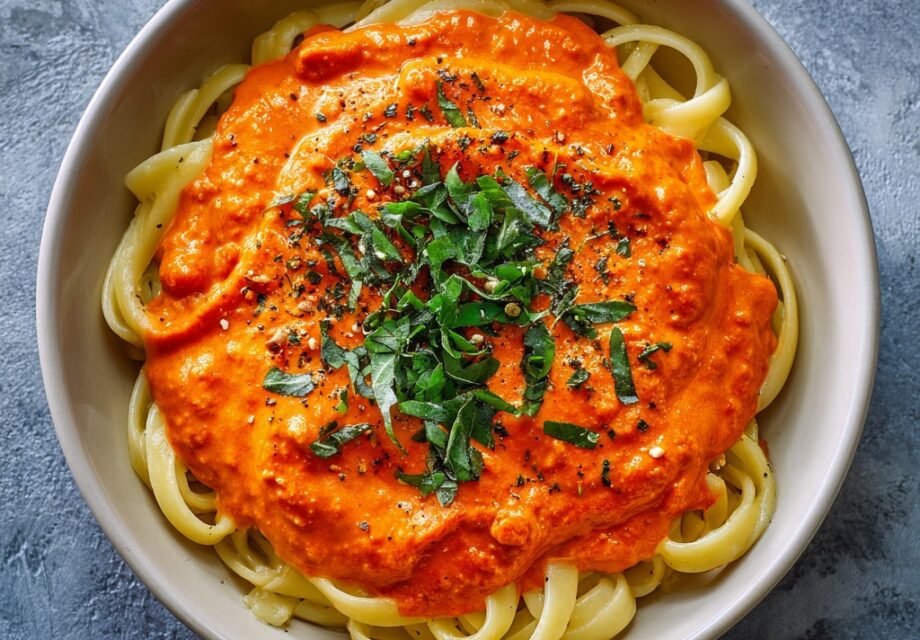
Creamy Tomato Sauce: Unleash 5 Irresistible Flavors

Table of Contents
- Why You’ll Love This Creamy Tomato Sauce
- Ingredients for Creamy Tomato Sauce
- How to Make Creamy Tomato Sauce
- Tips and Common Mistakes to Avoid
- Delicious Variations and Substitutions
- How to Store and Reheat Your Sauce
- Serving Ideas and Pairings
- Frequently Asked Questions
- Conclusion and Call to Action
Why You’ll Love This Creamy Tomato Sauce
- Rich and Velvety Texture: This sauce envelops each pasta strand in luxurious creaminess, offering a comforting flavor that hugs you from the inside.
- Versatile Pairings: Ideal for more than just pasta, it shines on pizza, as a dipping sauce, or drizzled over roasted veggies.
- Easy and Quick to Prepare: Ready in under 30 minutes, perfect for a weeknight dinner that doesn’t sacrifice flavor or elegance.
- Customizable Flavors: Adjust the herbs or add extra spices to match your specific taste preferences, making this sauce uniquely yours.
Ingredients for Creamy Tomato Sauce
Essential Ingredients
- Fresh Tomatoes or Tomato Puree: Use ripe tomatoes or a quality puree for the freshest base.
- Heavy Cream or Alternative Creams: Choose for richness, substituting with coconut cream or dairy-free options if needed.
- Olive Oil or Butter: Butter provides a richer taste, while olive oil offers a lighter touch.
- Garlic and Onion: Essential for depth of flavor; finely chop for even cooking.
- Salt, Pepper, and Italian Herbs: Use basil, oregano, and a pinch of salt and pepper to enhance the sauce.
- Parmesan Cheese: Grated fresh for an added layer of umami and creaminess.
Substitutions and Enhancements
- Vegan Cream Alternatives: Cashew cream or coconut milk maintain creaminess sans dairy.
- Adding a Hint of Chili: Chili flakes or fresh chili add heat for spice lovers.
- Cream Cheese or Mascarpone: Use these for extra richness, perfect for indulgence.
- Herb Variations: Rosemary, thyme, or Italian seasoning can tailor the dish to your liking.
How to Make Creamy Tomato Sauce
Step 1: Preparing the Base
Sauté garlic and onion to build a flavor foundation. Heat olive oil or butter in a skillet over medium heat; add onions and garlic, cooking until golden—about 3-5 minutes.
Add chopped ripe tomatoes or tomato puree. Let the mix cook down, stirring occasionally until it reaches a sauce-like thickness in about 10 minutes, enhancing sweetness naturally. If using whole tomatoes, ensure they are peeled and deseeded for the smoothest sauce consistency.
Step 2: Creaming the Sauce
To avoid curdling, slowly mix in your cream over low heat, stirring continuously. A touch of sugar or balsamic vinegar balances the sauce beautifully. Consider slowly adding the cream in a circular motion while stirring to ensure a smooth texture throughout.
Taste and adjust for balance, ensuring the cream complements the acidity without overpowering it. This is crucial to maintain the sauce’s velvety nature and prevent the overwhelming of the tomato’s natural tang.

Step 3: Flavor Enhancement
Stir in herbs and spices now. A teaspoon each of dried basil and oregano can elevate your sauce. For an added kick, consider stirring in freshly ground black pepper to enhance aroma and depth. Let it simmer for 5-7 minutes, tasting and adjusting seasonings as you go.
If using parmesan, now is the time to mix it in, letting it melt slowly into the sauce for added richness and umami. Adjust salt if necessary, as the cheese naturally adds saltiness.
Tips and Common Mistakes to Avoid
- Preventing Curdling: Add cream on low heat, stirring to maintain texture.
- Achieving Perfect Consistency: Use broth to thin a thick sauce or reduce if too thin. Aim for a smooth, cohesive sauce that clings well to pasta.
- Avoiding Over-seasoning: Taste and adjust, starting with minimal seasoning. Allow flavors to develop through cooking before final adjustments.
- Balancing Acids and Dairy: A small sugar amount can offset acidity, while slowly adding cream helps maintain balance. This balance ensures a harmonious flavor profile without one element overpowering the other.
- Count on Freshness: Use the freshest ingredients possible for optimum flavor. Fresh basil leaves can also provide an uplifting fragrant note at the last minute.
Delicious Variations and Substitutions
Variations for Dietary Needs
- Vegan: Use cashew cream or coconut milk, preserving richness without dairy.
- Gluten-Free: Ensure all ingredients meet gluten-free standards, including any pasta used for pairing.
- Low-Fat: Opt for low-fat milk or a yogurt alternative for a lighter sauce.
- Paleo or Whole30: Stick to coconut milk and avoid any dairy or processed ingredients.
Flavorful Twists
- Roasted Red Peppers: Introduce for a smoky tone, ideal when paired with grilled dishes. Roast your own for an even more vibrant flavor.
- Vodka or Wine: A splash adds complexity; cook off the alcohol for depth. Use quality spirits to achieve restaurant-grade flavors.
- Pancetta or Bacon: Crispy additions infuse delightful texture and richness. Cook until crisp and use some rendered fat for extra dimensions.
- Herb-Infused Oil: Drizzle with an herb-infused olive oil for added layers of taste and aroma.
How to Store and Reheat Your Sauce
Storage Tips
- Cool sauce before storing in an airtight container. Label with date for freshness tracking.
- Freeze portions in resealable bags, removing air to prevent freezer burn. Lay bags flat for efficient storage.
- Store on the fridge’s top shelf, safeguarding flavors from pungent items that may taint its subtlety.
Reheating Methods
- Reheat on low, stirring to keep cream from separating and restore texture.
- In the microwave, use short intervals, stirring to ensure even warming. Avoid overheating to maintain the sauce’s perfect consistency.
- For added creaminess, incorporate a splash of milk or additional cream before reheating. This can rejuvenate leftovers to their original creaminess.
Serving Ideas and Pairings
A Creamy Tomato Sauce as versatile as this deserves showcasing in a myriad of dishes:

- Pasta Varieties: While penne and spaghetti are classics, it pairs wonderfully with tortellini stuffed with cheese or meat.
- Grilled Proteins: Serve with grilled chicken or shrimp for a protein-rich meal with a complementary contrast.
- Vegetable Plate: Drizzle over a roasted vegetable medley, enhancing everything from zucchini to bell peppers with a creamy touch.
- Pizzas and Flatbreads: Use as a base sauce, topped with cheese and your choice of toppings for a gourmet pizza night.
Frequently Asked Questions
Can I use canned tomatoes instead of fresh?
Yes, canned tomatoes work well. Opt for whole or crushed and drain excess juice for thickness. A quality brand will offer rich tomato flavors akin to fresh.
How do I prevent the sauce from being too acidic?
Balancing acidity with sugar or cream is key. Adjust to your liking and consider adding a small quantity of baking soda to neutralize excessive acid if needed.
Can I make creamy tomato sauce without cream?
Yes, use cashew cream, coconut milk, or almond milk for a dairy-free creamy experience. Ensure thorough blending for a smooth result.
Is it possible to prepare the sauce in advance?
Definitely! Make and store in the fridge for up to 3 days or freeze for up to 3 months. This advance prep allows for quick and easy meals when time is scarce.

What pasta pairs best with creamy tomato sauce?
Short pastas like penne hold the sauce brilliantly, while spaghetti and fettuccine are classics. For a twist, try gnocchi; the sauce beautifully clings to it.
Can I add vegetables to the sauce?
Absolutely! Enhance with veggies like spinach or mushrooms, sautéed with the base. This adds nutritional value and occupies layers of flavor.
Is it possible to adjust the sauce to be spicier?
Add chili flakes, cayenne, or hot peppers for heat. Adjust to your spice preference dynamically, keeping the balance of flavors in check.
How can I enhance the thickness of the sauce?
Simmer the sauce longer to reduce liquid. Alternatively, a cornstarch slurry can be used for quick thickening without altering flavor.
How can I mellow the taste if I accidentally over-season?
Adding dairy such as cream or milk can mellow the flavor. Alternatively, unsalted broth can help dilute it, bringing it back to balance.
What can I use if I run out of garlic?
Garlic powder or granulated garlic serves as a substitute. Adjust to taste, starting small and adding as needed. Fresh garlic can create nuances that powders may not, so if possible, use fresh when available.
Can I turn this sauce into a soup base?
Definitely. Add more broth or water and additional vegetables or proteins to create a hearty soup. Leverage the sauce’s creaminess for a comforting bowl of delight.
Conclusion and Call to Action
Creating a perfectly balanced Creamy Tomato Sauce is a breeze. With simple ingredients and quick prep, elevate your meals with gourmet flair. Try this recipe and share your experience with us on our site. Explore more recipes and subscribe for culinary inspiration directly to your inbox. Savor the journey and achieve culinary brilliance with us!
Creamy Tomato Sauce: Unleash 5 Irresistible Flavors
- Prep Time: 10
- Cook Time: 30
- Total Time: 40
- Yield: 4 servings 1x
- Category: Main Course
- Method: Stovetop
- Cuisine: Italian
- Diet: Vegetarian
Description
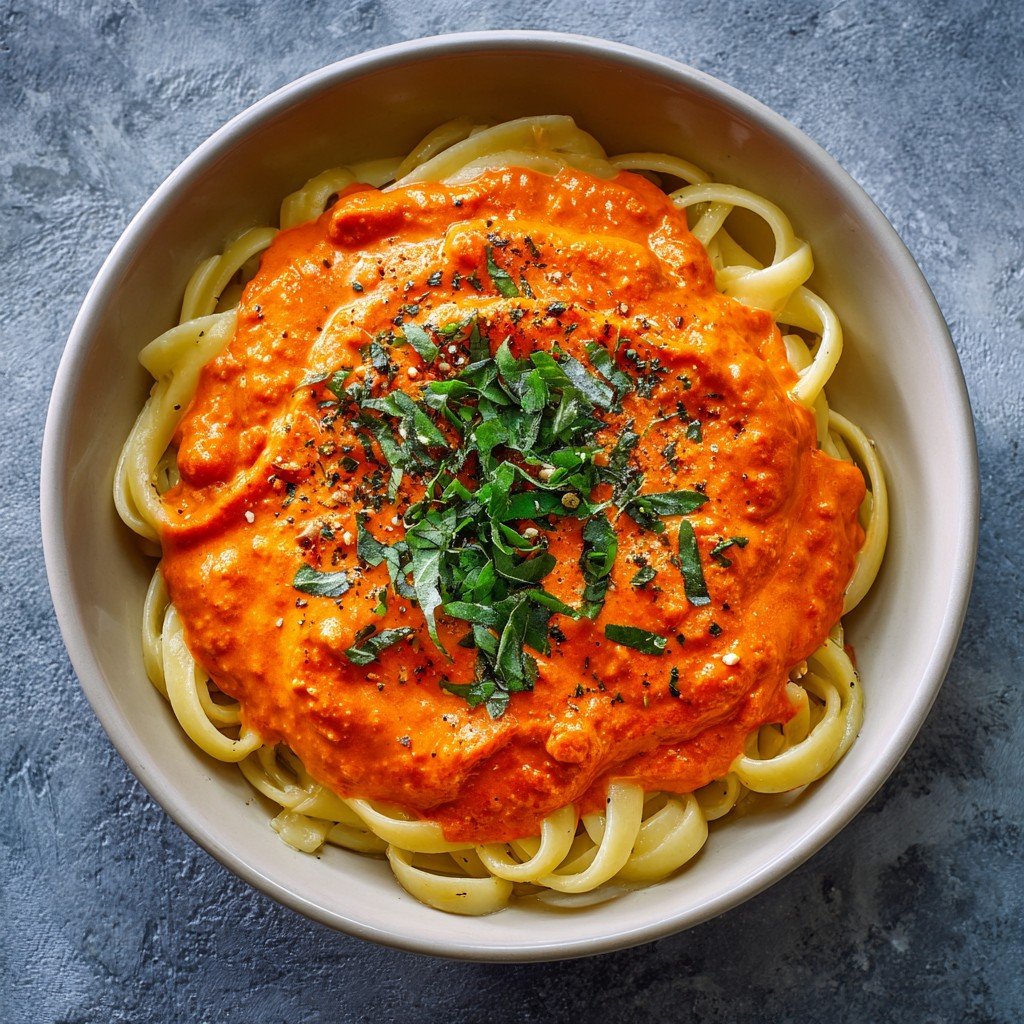
This creamy tomato sauce is a luxurious blend of ripe tomatoes, heavy cream, and aromatic herbs. It is perfect for elevating any pasta dish or can be used as a versatile addition to pizzas and roasted vegetables. With its rich texture and quick preparation, this sauce is a weeknight dinner staple that doesn’t compromise on flavor.
Ingredients
- 2 tablespoons olive oil or butter
- 1 onion, finely chopped
- 3 cloves garlic, minced
- 4 cups fresh tomatoes, chopped or 2 cups tomato puree
- 1 cup heavy cream or coconut cream
- 1 teaspoon salt
- 1/2 teaspoon black pepper
- 1 teaspoon dried oregano
- 1 teaspoon dried basil
Instructions
- Heat olive oil or butter in a large skillet over medium heat. Add the chopped onion and cook until translucent, about 5 minutes.
- Add minced garlic and sauté for another minute until fragrant, being careful not to burn it.
- Add the chopped tomatoes or tomato puree to the skillet, stirring to combine. Simmer for 15 minutes until the tomatoes have broken down.
- Reduce the heat to low and stir in the heavy cream. Let the sauce simmer gently for an additional 10 minutes, stirring occasionally, until it thickens.
- Season with salt, pepper, oregano, and basil. Adjust the seasoning to taste. Serve warm over pasta or use as desired.
Notes
- For a smoother sauce, blend it in a blender or use an immersion blender before adding the cream.
- You can click here to explore more about marinara sauces that complement various pasta dishes.
Nutrition
- Array
[…] To prevent a grainy sauce, use freshly shredded cheese instead of pre-shredded. Pre-shredded cheese often contains cellulose, which can interfere with melting. Keep the heat low and melt the cheese slowly. Check out Creamy Tomato Sauce 2. […]