
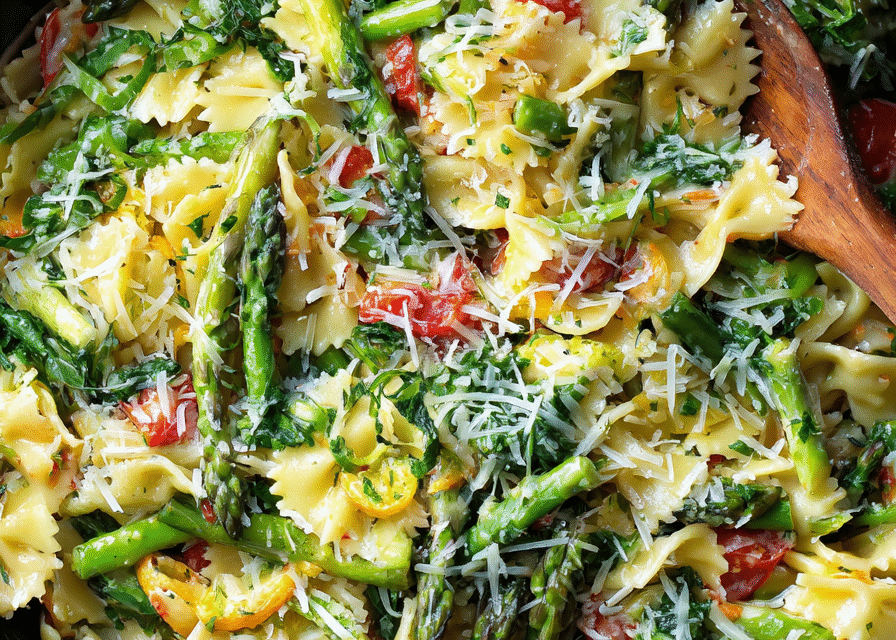
Pasta Primavera Recipe: A Fresh, Fast Weeknight Favorite
What makes this version stand out is the balance. The sauce is creamy enough to coat every piece of pasta but light enough that the vegetables stay the star. You’ll get that restaurant-quality result without any fussy techniques.
📋 In This Article
Why This Pasta Primavera Recipe Is Worth Making
Ready in Just 30 Minutes
Weeknight dinners need to be quick. This 30-minute pasta primavera recipe respects your time while still delivering a meal you’ll genuinely enjoy eating.
The trick is smart timing. While your pasta water comes to a boil and the noodles cook, you’re sautéing vegetables. By the time everything is drained, your sauce is ready to go.
Loaded With Seasonal Vegetables
The vegetable mix here is generous, and that’s the whole point. Pasta primavera translates to “spring pasta,” and the dish should feel abundant with produce—zucchini, yellow squash, bell peppers, cherry tomatoes, broccoli, and snap peas all in one bowl.
Each vegetable brings something different. Zucchini adds tender bites. Bell peppers give sweetness and crunch. Cherry tomatoes burst with juice. Broccoli soaks up the sauce beautifully. Together, they create a dish that’s as satisfying to look at as it is to eat.
Versatile Enough for Any Season
Even though the name says spring, this dish works year-round. The recipe adapts to whatever vegetables are available and affordable.
In summer, use fresh tomatoes, zucchini, and corn. Fall calls for butternut squash, mushrooms, and kale. Winter? Roasted broccoli, cauliflower, and sun-dried tomatoes work beautifully. Spring brings asparagus, peas, and artichoke hearts back into rotation.
Light Yet Satisfying
This dish hits that sweet spot between comfort food and something you feel good about eating. The creamy garlic sauce coats everything without weighing you down, and the vegetables add enough bulk that a reasonable portion actually fills you up.
For families trying to eat more vegetables, this recipe is reliable. Kids who normally push vegetables to the side often eat them willingly when they’re mixed with pasta and a tasty sauce.
Ingredients for Pasta Primavera (With Useful Notes)

The Pasta
Shape matters more than brand here. You want pasta that catches sauce and holds onto small pieces of vegetable. My top picks:
- Penne – The tubes trap sauce inside and the ridged surface holds everything well
- Farfalle (bow ties) – The folds catch bits of vegetable and look pretty on the plate
- Rigatoni – Larger tubes work great when you have bigger vegetable pieces
- Rotini – The spirals are fantastic for clingy sauces
Avoid long thin pasta like spaghetti or angel hair. The vegetables slide off, and you end up with noodles on one bite and vegetables on the next.
Plan on about 12 ounces of dried pasta for four generous servings. Cook it in well-salted water and always reserve a cup of that starchy cooking water before draining.
The Vegetables
Here’s the core lineup I use most often:
- Zucchini (1 medium) – Cut into half-moons about ¼ inch thick so they cook quickly but don’t turn mushy
- Yellow squash (1 medium) – Same treatment as the zucchini; adds color variety
- Bell peppers (1-2, any color) – Cut into thin strips about 2 inches long
- Cherry tomatoes (1 cup) – Halved so they release their juice into the sauce
- Broccoli florets (1½ cups) – Cut small enough to eat in one bite
- Snap peas or snow peas (1 cup) – Strings removed, left whole or cut on the diagonal
Cut everything to roughly the same size for even cooking. Total vegetable volume should be around 5-6 cups.
The Sauce Base
The sauce comes together from pantry staples:
- Garlic (4-5 cloves) – Minced fine so it melts into the sauce
- Extra virgin olive oil (3 tablespoons) – Use something decent since you’ll taste it
- Vegetable or chicken broth (½ cup) – Adds depth without heaviness
- Heavy cream (½ cup) – Creates that silky coating; half-and-half works for something lighter
- Parmesan cheese (¾ cup freshly grated) – Please grate your own; pre-shredded doesn’t melt the same
For a lighter version, skip the cream entirely and use an extra quarter cup of broth plus extra pasta water.
If you’re looking for more creamy pasta ideas, check out this creamy chicken spinach pasta for another weeknight favorite.
Seasonings and Finishing Touches
- Italian seasoning (1 teaspoon) – A blend of dried oregano, basil, thyme, and rosemary
- Red pepper flakes (¼ teaspoon) – Optional; adds a nice warmth
- Salt and black pepper – Season as you go, not just at the end
- Fresh basil (¼ cup torn) – Stir in at the very end to preserve brightness
- Lemon zest (from 1 lemon) – This finishing touch makes everything pop
How to Make Pasta Primavera Step by Step
Step 1 – Cook the Pasta
Fill your largest pot with water and bring it to a rolling boil. Add enough salt that it tastes like seawater—about 2 tablespoons per gallon.
Add the pasta and stir immediately to prevent sticking. Set a timer for one minute less than the package directions. You want it al dente—cooked through but with slight firmness at the center.
Before draining, scoop out one full cup of the cloudy cooking water. This starchy liquid is key to a silky sauce. Drain the pasta but don’t rinse it.
Step 2 – Sauté the Aromatics
While the pasta water heats up, get your vegetables prepped and lined up near the stove.
Heat a large skillet over medium-high heat. Add the olive oil and let it shimmer. Add the minced garlic and stir constantly for about 30 seconds until fragrant and barely golden. Don’t let it brown—burnt garlic tastes bitter.
Step 3 – Cook the Vegetables in Batches
The vegetables need to cook in stages based on how long each one takes.
First: Add the broccoli and bell peppers. These need the most time—about 3-4 minutes. Stir occasionally and let them pick up a little color.
Next: Add the zucchini and yellow squash. Cook for another 2-3 minutes, stirring often.
Finally: Add the snap peas and cherry tomatoes. Just 1-2 minutes here. The tomatoes should soften and start to release their juice.
Season the vegetables with the Italian seasoning, red pepper flakes, and a good pinch of salt as they cook.
Step 4 – Build the Creamy Sauce
Push the vegetables to the edges of the pan. Pour in the broth and let it bubble for about 30 seconds, scraping up any browned bits from the bottom.
Add the heavy cream and stir to combine. Let the mixture simmer for 1-2 minutes until it starts to thicken slightly.
Remove the pan from heat and stir in about half of the Parmesan cheese until it melts smoothly.
Step 5 – Combine Pasta and Vegetables
Add the drained pasta directly to the pan with the sauce. Toss everything together with tongs, lifting and turning to coat every piece.
Add the reserved pasta water a few tablespoons at a time, tossing between additions, until the sauce reaches your ideal consistency—glossy and clingy, not dry or gloppy.
Step 6 – Season and Finish
Taste the pasta and adjust the seasoning. It will probably need more salt. Add black pepper generously.
Remove the pan from heat completely. Stir in the remaining Parmesan, the torn fresh basil, and the lemon zest. Serve immediately with extra Parmesan on the table.
Pro Tips and Common Mistakes to Avoid
Tips That Make a Real Difference

- Prep everything before you start cooking. Once the garlic hits the hot oil, things move fast.
- Don’t skip the pasta water. That starchy water transforms good pasta into great pasta by helping the sauce cling and emulsify.
- Use a big enough pan. Crowded vegetables steam instead of sauté. A 12-inch skillet is ideal.
- Add Parmesan off the heat. High heat makes cheese clump and get stringy.
- Fresh basil goes in last. Heat turns fresh basil dark and diminishes its flavor.
Mistakes That Ruin the Dish
- Overcooking the vegetables. They should be crisp-tender, not mushy. Remember they’ll continue cooking when tossed with hot pasta.
- Using too little salt. Pasta absorbs a lot of seasoning. Taste and adjust before serving.
- Skipping the lemon zest. It brightens everything and makes the dish taste fresh instead of heavy.
- Letting the pasta sit too long. Serve immediately or the sauce gets absorbed and the dish dries out.
Easy Variations and Substitutions

Add Protein
This pasta primavera is satisfying on its own, but adding protein makes it even more filling:
- Grilled chicken – Slice and add at the end, or cube and sauté before the vegetables
- Shrimp – Cook separately until pink, then toss in at the end
- Italian sausage – Brown crumbled sausage first, then use that flavorful fat to cook the vegetables
- White beans – A can of rinsed cannellini beans adds protein and makes it heartier
Make It Dairy-Free
Skip the cream and Parmesan. Instead, use full-fat coconut milk and nutritional yeast. Add extra garlic and a splash of white wine for depth.
Make It Gluten-Free
Use your favorite gluten-free pasta. Brown rice penne or chickpea rotini both work well. Cook according to package directions and watch carefully—gluten-free pasta can go from perfect to mushy quickly.
For more pasta ideas, the Serious Eats pasta guide has excellent technique tips.
How to Store and Reheat Leftovers
Refrigerator Storage
Store leftovers in an airtight container for up to 3-4 days. The vegetables will soften further, but the flavors actually meld nicely overnight.
Reheating Tips

The stovetop method works best. Add the pasta to a skillet with a splash of broth or water. Cover and heat over medium-low, stirring occasionally, until warmed through. The added liquid brings back the saucy texture.
Microwave reheating works in a pinch. Add a tablespoon of water, cover loosely, and heat in 30-second intervals, stirring between each.
Can You Freeze It?
I don’t recommend freezing pasta primavera. The vegetables become watery when thawed, and the sauce separates. It’s best enjoyed fresh or as refrigerated leftovers.
Frequently Asked Questions
Can I use frozen vegetables for pasta primavera?
You can, but the texture won’t be as good. Frozen vegetables release more water and won’t sauté as well. If using frozen, add them directly to the hot pan without thawing and cook until the water evaporates before continuing.
What’s the best pasta shape for primavera?
Short shapes with ridges or tubes work best—penne, rigatoni, farfalle, and rotini all catch the sauce and vegetables well. Avoid long, thin pasta like spaghetti.
How do I keep the vegetables from getting soggy?
Cook them in batches based on density, don’t overcrowd the pan, and add quick-cooking vegetables last. They should still have some bite when you pull them off the heat.
Make This Pasta Primavera Recipe Tonight
This pasta primavera recipe proves that weeknight cooking doesn’t have to mean boring or bland. In just 30 minutes, you get a colorful, vegetable-packed meal that tastes like you spent way more time on it.
The technique is simple enough for beginners but delivers results that impress. Once you’ve made it a few times, you’ll start improvising based on what’s in your fridge—and that’s exactly the point.
Give this recipe a try tonight and let me know how it turns out in the comments below.
PrintPasta Primavera Recipe in 30 Minutes Bursting With Fresh Flavor
- Prep Time: 10
- Cook Time: 30
- Total Time: 40
- Yield: 6 servings 1x
- Category: Main Course
- Method: Stovetop, Boiling
- Cuisine: Italian-American
- Diet: Vegetarian
Description
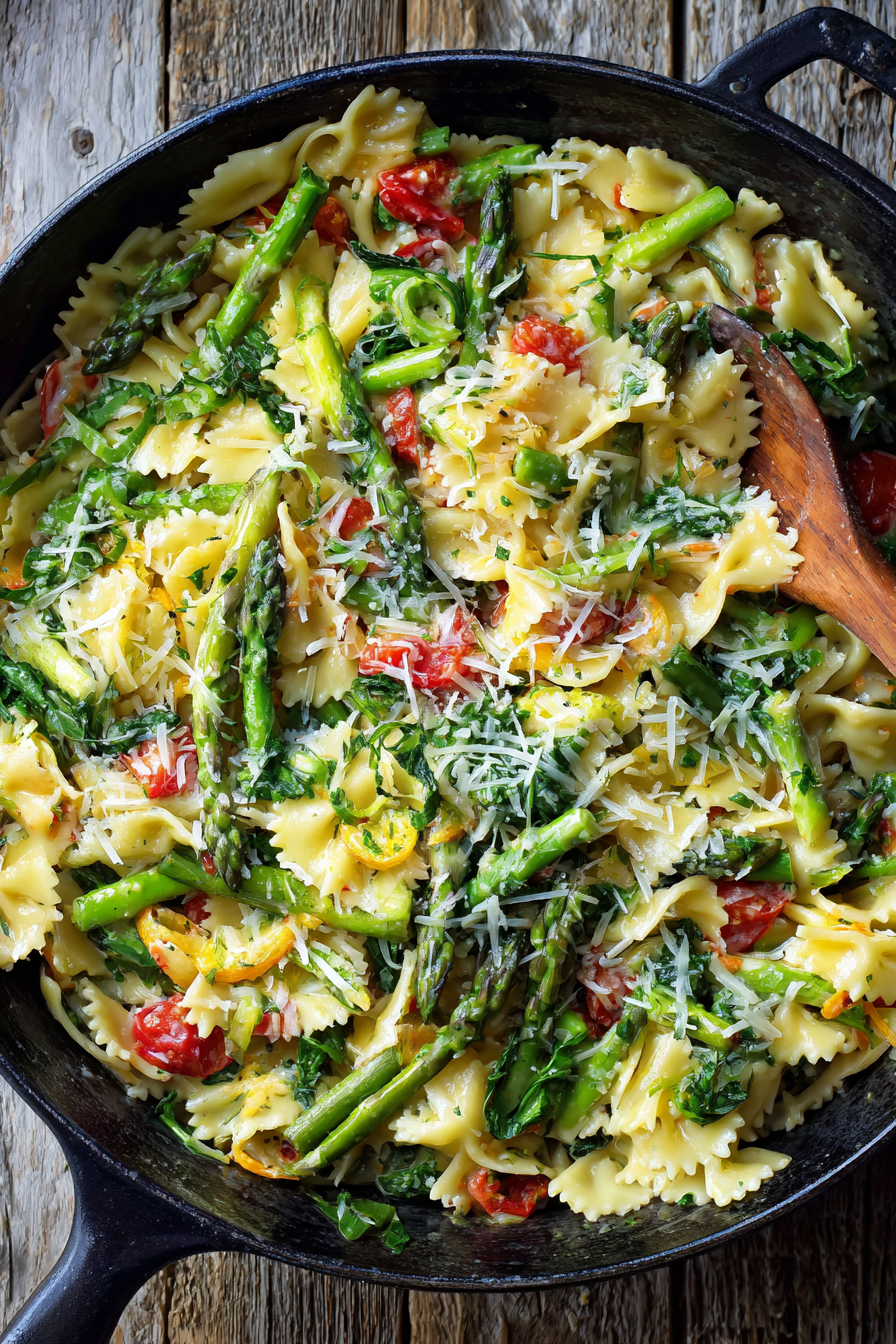
This pasta primavera brings together tender penne with an abundance of fresh seasonal vegetables in a light creamy garlic sauce. The dish showcases crisp-tender zucchini, bell peppers, cherry tomatoes, broccoli, and snap peas, all coated in a sauce that’s rich enough to satisfy but light enough to let the vegetables shine. It’s a versatile weeknight dinner that feels special without requiring hours in the kitchen.
Ingredients
- 12 oz penne pasta
- 2 tablespoons olive oil
- 3 cloves garlic, minced
- 1 medium zucchini, sliced into half-moons
- 1 medium yellow squash, sliced into half-moons
- 1 red bell pepper, diced
- 1 cup broccoli florets
- 1 cup sugar snap peas, trimmed
- 1 cup cherry tomatoes, halved
- 1 cup heavy cream
- 1/2 cup freshly grated Parmesan cheese
- 1/4 cup fresh basil, chopped
- 1/2 teaspoon salt
- 1/4 teaspoon black pepper
- 1/4 teaspoon red pepper flakes
Instructions
- Bring a large pot of salted water to a boil and cook penne according to package directions until al dente, reserving 1/2 cup pasta water before draining.
- While pasta cooks, heat olive oil in a large skillet over medium-high heat until shimmering, then add broccoli and cook for 2 minutes until it begins to turn bright green.
- Add zucchini, yellow squash, and bell pepper to the skillet, sautéing for 4-5 minutes until vegetables are crisp-tender and lightly golden at the edges.
- Toss in snap peas and cherry tomatoes, cooking for 2 minutes until tomatoes just begin to soften and release their juices.
- Reduce heat to medium-low, add minced garlic, and cook for 30 seconds until fragrant, stirring constantly to prevent burning.
- Pour in heavy cream and bring to a gentle simmer, letting it reduce slightly for 2-3 minutes until it coats the back of a spoon.
- Add drained pasta to the skillet along with Parmesan cheese, tossing everything together until the sauce clings to the pasta, adding reserved pasta water a splash at a time if needed.
- Season with salt, pepper, and red pepper flakes, then remove from heat and fold in fresh basil before serving immediately.
Notes
- Swap vegetables based on what’s in season—asparagus, mushrooms, or artichoke hearts all work well.
- For a lighter sauce, substitute half-and-half or use a splash of pasta water with extra Parmesan.
- Add grilled chicken or shrimp for extra protein.
- Use gluten-free pasta to make this dish gluten-free friendly.
Nutrition
- Array