
In This Article:
- Why This Minestrone Soup Recipe Works
- Ingredients for the Best Minestrone Soup
- How to Make Minestrone Soup Step-by-Step
- Expert Tips for Perfect Minestrone
- Minestrone Variations and Substitutions
- How to Store and Reheat Minestrone
- Minestrone Soup FAQs
- Serve Up Comfort!
Why This Minestrone Soup Recipe Works
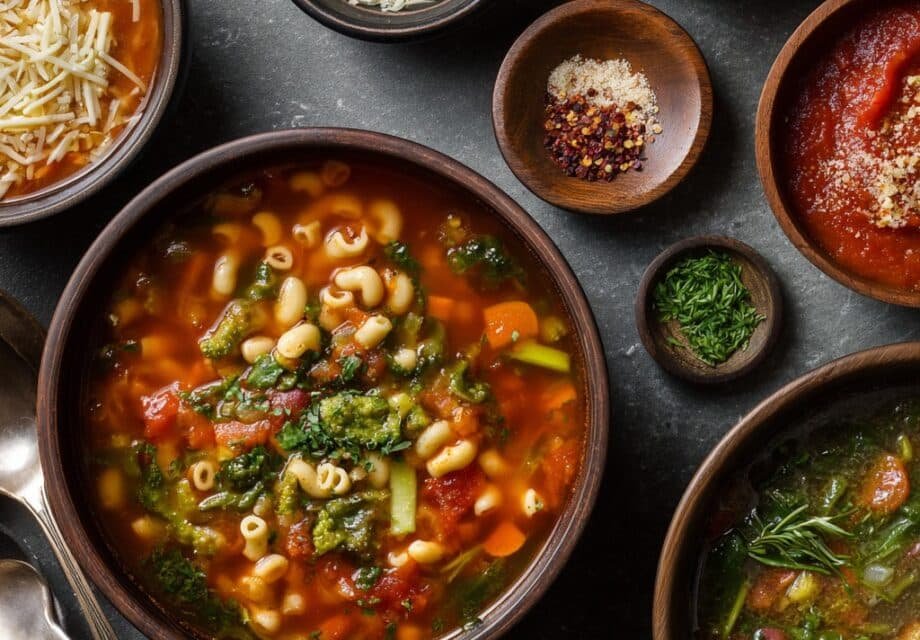
This Minestrone Soup recipe stands out for its balance of flavors, fresh ingredients, and adaptable nature. It’s a comforting, nutrient-packed meal that’s both satisfying and quicker to prepare than you might think, often ready in under an hour.
It builds deep flavor with a classic Italian soffritto base, then layers in a variety of vegetables and hearty beans. Whether you’re a seasoned cook or new to soup making, this recipe guides you to a delicious Minestrone every time. It’s also incredibly flexible, allowing you to use what you have, which is a hallmark of good home cooking.
Ingredients for the Best Minestrone Soup

Gather your fresh produce and pantry staples for a flavorful Minestrone. Good ingredients are the backbone of any great dish, and minestrone is no exception. Don’t skimp on quality where it counts.
Essential Aromatics
- Olive Oil: About 2 tablespoons. Use a good quality extra virgin olive oil for sautéing your aromatics; it builds foundational flavor.
- Yellow Onion: One medium, finely diced. This is the sweet base of your soup, a cornerstone of the Italian soffritto.
- Carrots: Two medium, diced. Adds natural sweetness and color. Peel them first.
- Celery: Two stalks, diced. Contributes to the classic mirepoix flavor, essential for a rich broth.
- Garlic: 4-5 cloves, minced. For an aromatic kick. Don’t add it too early, or it can burn and become bitter.
Vegetables & Legumes
- Canned Diced Tomatoes: One 28-ounce can, undrained. These provide the rich tomato base for the broth. Look for good quality San Marzano style if you can, they make a difference.
- Vegetable Broth: 6-8 cups (about 2 quarts). Low sodium is recommended so you can control the saltiness yourself. Use a flavorful store-bought one or homemade if you have it.
- Green Beans: 1 cup, trimmed and cut into bite-sized pieces. Adds a fresh, crisp-tender element. Frozen green beans work well too.
- Zucchini: One medium, diced. Adds a tender texture and a touch of freshness. It cooks quickly, so add it later in the process.
- Canned Cannellini Beans (White Kidney Beans): One 15-ounce can, rinsed and drained. These add creamy texture and a good boost of protein, making the soup truly satisfying.
- Baby Spinach or Kale: 4-5 ounces (about 4-5 cups packed), fresh. Stir in at the end for fresh greens and nutrients. If using kale, remove the tough stems and chop it finely.
Pasta & Seasoning
- Small Pasta (Ditalini, Elbow Macaroni, or Small Shells): 1 cup dry. Cooked separately or added directly to the pot (see notes in the instructions for best results).
- Dried Oregano: 1 teaspoon. Earthy and aromatic, a classic Italian herb.
- Dried Basil: 1 teaspoon. Sweet and peppery, complements the tomatoes beautifully.
- Bay Leaf: 1 whole leaf. For a subtle, complex background flavor. Remember to remove it before serving!
- Salt & Freshly Ground Black Pepper: To taste, usually starting with 1 teaspoon of salt and a half teaspoon of pepper, then adjusting at the end. These enhance all the other flavors.
Optional Garnishes
- Freshly Grated Parmesan Cheese or Pecorino Romano: For serving, a must-have for that authentic Italian touch.
- Fresh Parsley or Basil: Chopped, for a burst of fresh flavor and color.
- A Drizzle of Extra Virgin Olive Oil: Just before serving, for richness and aroma.
How to Make Minestrone Soup Step-by-Step
Making a truly wonderful Minestrone is all about layering flavors properly. Don’t rush these steps, especially the initial sautéing, as that’s where the depth of your soup begins.
Step 1: Sauté the Aromatics (Soffritto)
- In a large Dutch oven or heavy-bottomed soup pot, heat the olive oil over medium heat.
- Add the diced onion, carrots, and celery. Cook, stirring occasionally, until they soften, about 8-10 minutes. This is your soffritto, the heart of the soup’s flavor. Don’t let them brown too much; just get them tender and translucent.
- Add the minced garlic and cook for another minute until fragrant. Be careful not to burn it.
That first slow sautéing of the vegetables truly makes all the difference in building a flavorful base.
Step 2: Build the Broth Base
- Pour in the can of diced tomatoes (undrained), dried oregano, dried basil, and the bay leaf. Stir well and let it simmer gently for about 5 minutes, allowing the tomato flavor to deepen and the herbs to bloom.
- Pour in the vegetable broth. Bring the mixture to a simmer, then reduce the heat to low, cover, and let it cook for at least 15-20 minutes. This allows all the flavors to meld beautifully. The longer it simmers, the richer it will taste.
Step 3: Add the Vegetables and Beans
- Add the green beans to the simmering soup. Cook for about 5-7 minutes, until they are crisp-tender.
- Next, stir in the diced zucchini and rinsed cannellini beans. Continue to simmer for another 5 minutes, just until the zucchini is tender but not mushy. You want a bit of bite to your vegetables.
This is where the soup truly comes alive with color and texture.
Step 4: Cook the Pasta
There are two ways to handle the pasta for Minestrone, and each has its benefits:
- Option A (Recommended for best texture and storage): Cook pasta separately. While the soup is simmering, cook the ditalini or other small pasta in a separate pot of salted boiling water according to package directions until al dente. Drain well. Add a portion of the cooked pasta to individual serving bowls, then ladle the hot soup over it. This prevents the pasta from getting mushy and absorbing too much broth, especially if you plan on having leftovers.
- Option B (For quick, immediate serving): Cook pasta directly in the soup. If you plan to eat all the soup immediately and don’t expect leftovers, you can add the dry pasta directly to the simmering soup after adding the zucchini and beans. Cook until the pasta is al dente, stirring occasionally to prevent sticking, about 8-10 minutes depending on the pasta size. Be aware that the pasta will continue to soak up broth, potentially becoming mushy and thickening the soup considerably if stored.
Step 5: Finish and Serve
- Remove the bay leaf from the soup.
- Stir in the baby spinach or finely chopped kale. Cook for just 1-2 minutes until the greens are wilted.
- Taste the soup and adjust seasonings. Add more salt and freshly ground black pepper as needed. A little pinch of sugar can also help balance the acidity of the tomatoes if they taste a bit sharp.
- Serve hot, garnished generously with freshly grated Parmesan cheese, a sprinkle of fresh parsley or basil, and a final drizzle of good olive oil. It’s wonderful with some crusty bread for dipping.
Expert Tips for Perfect Minestrone

Over the years, I’ve picked up a few tricks that really make a difference. These aren’t complicated, but they elevate your minestrone from good to truly memorable.
The Power of the Soffritto
Never rush the sautéing of your onion, carrots, and celery. This “soffritto” is the base of nearly all Italian soups and sauces. Let it cook slowly over medium-low heat until the vegetables are very tender and sweet, about 8-10 minutes. This foundational step builds incredible depth of flavor that carries throughout the entire soup. If you rush it, your soup will taste flat.
Pasta Pointers
As mentioned in the steps, cooking pasta separately is my golden rule for any soup with pasta, especially if you anticipate leftovers. Pasta is like a sponge; it will soak up all your beautiful broth and turn mushy. By adding it to individual bowls, each serving is fresh, and your leftover soup broth remains the perfect consistency.
Seasoning as You Go
Don’t wait until the very end to season. Taste and adjust your salt and pepper throughout the cooking process. Add a little salt when you sauté the aromatics, and again when you add the broth. This layered seasoning approach ensures every component is well-flavored. Remember, you can always add more salt, but you can’t take it out!
Embrace Fresh Herbs
While dried herbs are fine for simmering, a sprinkle of fresh parsley or basil right before serving brightens the whole dish. It adds a fresh aroma and a pop of color that makes the soup feel truly special.
The Parmesan Rind Trick
If you have a leftover rind from a block of Parmesan cheese, don’t throw it away! Toss it into the soup along with the broth and let it simmer. It will slowly melt and impart an incredible umami depth to your broth. Just remember to fish it out before serving. It’s a wonderful, thrifty way to add flavor. You can often find them packaged and sold in the specialty cheese section of grocery stores too!
Money-Saving Tip: Use What You Have
Minestrone is historically a “clean out the fridge” soup. Don’t feel obligated to stick strictly to the vegetable list. If you have a lonely bell pepper, half a head of cabbage, or a few sprigs of broccoli, chop them up and toss them in! This is where the wisdom of a home cook really shines – making something delicious from what’s available. It’s a practical way to reduce food waste and save on your grocery bill.
Minestrone Variations and Substitutions
The beauty of Minestrone lies in its flexibility. Feel free to make this recipe your own based on what you have on hand or what your family enjoys.
Vegetable Swaps
- Greens: Instead of spinach or kale, try Swiss chard, finely chopped cabbage, or even some beet greens.
- Hardy Vegetables: Add diced potatoes (russet or Yukon gold work well) along with the carrots and celery. Just give them a little more time to cook until tender.
- Seasonal Produce: In the summer, toss in some fresh corn kernels or diced bell peppers. In the fall, a handful of diced butternut squash would be lovely.
- Legumes: Swap cannellini beans for kidney beans, garbanzo beans (chickpeas), or even a mix of different beans. Lentils can also be added for extra protein and earthiness.
Protein Boosts
- Pancetta or Bacon: For a richer, smoky flavor, sauté 1/4 to 1/2 cup diced pancetta or bacon before adding the onion, carrots, and celery. Remove the crispy bits, drain most of the fat, then proceed with the recipe. Crumble the crispy pancetta/bacon over individual bowls for garnish.
- Sausage: Brown some mild or spicy Italian sausage (casing removed) with your aromatics. Break it up with a spoon as it cooks. Drain any excess fat before adding the tomatoes and broth.
- Chicken or Beef: Add shredded cooked chicken, leftover pot roast, or even small pieces of uncooked stew meat to the broth. If using raw meat, brown it slightly before adding the aromatics, then let it simmer in the broth until tender. You might also enjoy our Tortellini Soup Recipe for another hearty option.
Broth Variations

- Chicken Broth: If you’re not keeping it strictly vegetarian, chicken broth can add another layer of savory flavor.
- Beef Broth: For a deeper, richer soup, consider using beef broth, especially if you’re adding beef.
Herb and Spice Additions
- Fresh Herbs: Feel free to use fresh thyme or rosemary sprigs along with the bay leaf while simmering, then remove them before serving.
- Spice: A pinch of red pepper flakes added with the garlic can give your Minestrone a subtle kick.
Pasta Alternatives
- Gluten-Free Pasta: Simply use your favorite small gluten-free pasta. Remember to cook it separately to maintain texture.
- Grain-Free: Skip the pasta entirely or add spiralized zucchini noodles or finely shredded cabbage for a similar texture without the grain.
Instant Pot Minestrone Soup Recipe
If you’re looking to speed things up, making Minestrone Soup in the Instant Pot is fantastic. Here’s a quick rundown:
- Use the “Sauté” function to cook the aromatics (onion, carrots, celery, garlic) as directed.
- Add diced tomatoes, broth, herbs, and any root vegetables (potatoes, if using).
- Pressure cook on High for 5-7 minutes. Allow for a natural pressure release for 5 minutes, then quick release.
- Stir in quick-cooking vegetables like zucchini, green beans, and beans. If adding pasta, add it now along with more hot water or broth to cover, and cook on “Sauté” until al dente.
- Stir in spinach/kale until wilted. Season and serve.
This method drastically cuts down on simmer time while still building deep flavor. For more Instant Pot inspiration, check out this Instant Pot Ham and Cheese Broccoli Soup idea.
How to Store and Reheat Minestrone
One of the best things about Minestrone is that it tastes even better the next day! Proper storage and reheating will ensure your leftovers are just as delicious.
Storing Leftovers
- Cool Completely: Always allow the soup to cool to room temperature before storing. This prevents condensation and keeps it fresh longer.
- Airtight Container: Transfer the cooled soup to an airtight container.
- Refrigerate: Store in the refrigerator for up to 3-4 days.
- Freezing: Minestrone freezes beautifully, especially if you cooked the pasta separately. If pasta was cooked in the soup, it might get a bit mushy upon reheating, but it’s still perfectly fine to freeze. Freeze in airtight, freezer-safe containers for up to 3 months. Thaw overnight in the refrigerator before reheating.
Reheating Minestrone

- Stovetop: The best way to reheat is on the stovetop over medium-low heat, stirring occasionally until heated through. Add a splash of extra broth or water if it has thickened too much.
- Microwave: For individual portions, microwave in a microwave-safe bowl, stirring halfway through, until hot.
- Add Fresh Pasta: If you stored the soup without pasta, cook fresh pasta (ditalini, small shells) while reheating the soup and add it to individual bowls before serving.
- Fresh Garnishes: Always add fresh Parmesan, herbs, and a drizzle of olive oil after reheating for the best flavor and presentation.
Minestrone Soup FAQs
Can I make Minestrone ahead of time?
Absolutely! Minestrone is an excellent make-ahead meal. The flavors often deepen and improve overnight. Just remember to cook the pasta separately if you want to avoid mushy leftovers.
What if my soup is too thick or too thin?
If your soup is too thick, simply add a bit more vegetable broth or water until it reaches your desired consistency. If it’s too thin, you can let it simmer uncovered for a bit longer to reduce, or mash some of the cannellini beans against the side of the pot to thicken it naturally.
Can I use dried beans instead of canned?
Yes, you can! Soak and cook dried cannellini beans according to package directions until tender before adding them to the soup in Step 3. One 15-ounce can of beans is roughly equivalent to 1/2 cup dry beans, cooked.
Serve Up Comfort!
There’s nothing quite like a steaming bowl of homemade Minestrone Soup to warm you from the inside out. This Minestrone Soup recipe is more than just a meal; it’s an invitation to gather around the table and enjoy simple, wholesome goodness. It’s hearty, satisfying, and endlessly customizable, making it perfect for any night of the week.
So, get cooking and enjoy a taste of comforting Italian tradition right in your own kitchen!
PrintMinestrone Soup Recipe Recipe
- Prep Time: 10
- Cook Time: 30
- Total Time: 40
- Yield: 6–8 servings 1x
- Category: Soup
- Method: Stovetop, Boiling, Mixing
- Cuisine: Italian
- Diet: Vegetarian, Low Lactose
Description
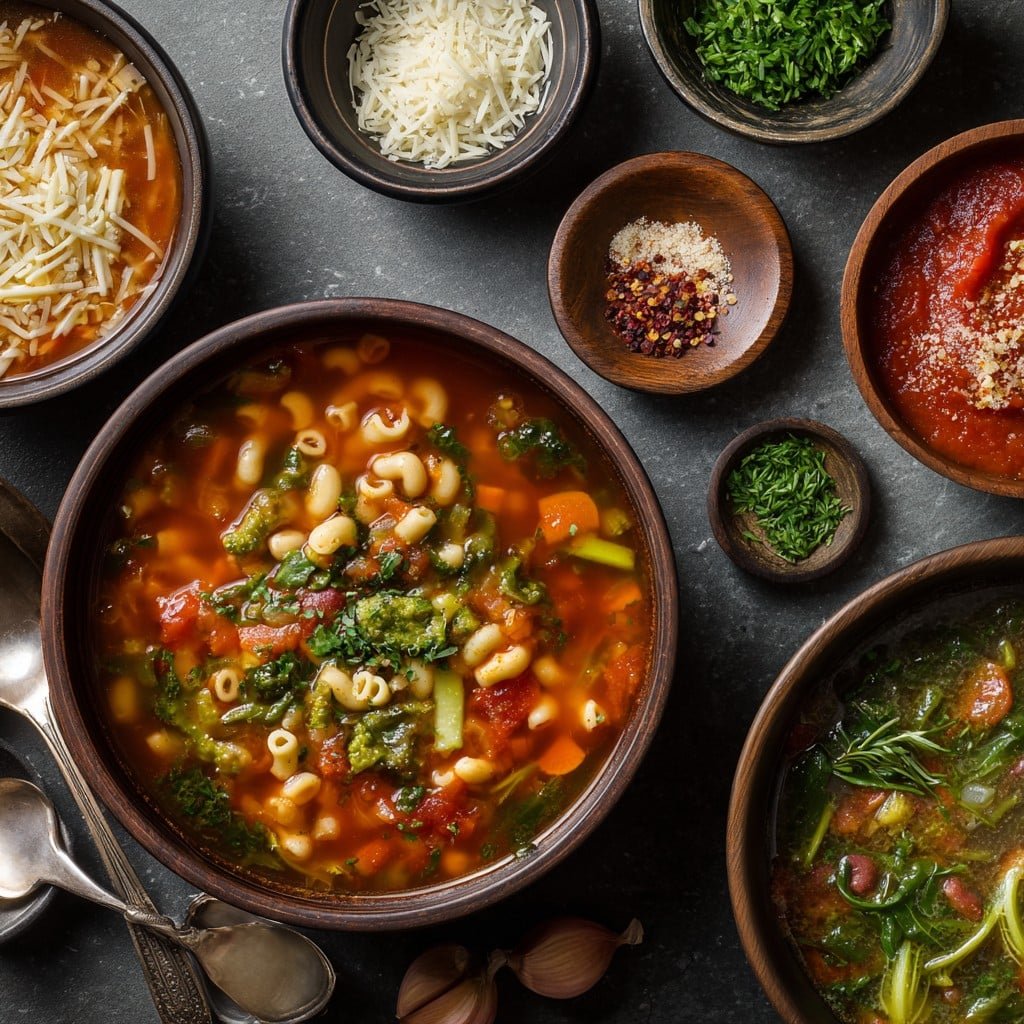
This classic Minestrone Soup offers a comforting and hearty meal, brimming with fresh vegetables, pasta, and beans in a rich, savory tomato broth. It’s an adaptable and nourishing dish that comes together quicker than you might expect, making it perfect for a weeknight dinner. The soup builds deep flavor with a classic Italian soffritto base, ensuring a satisfying taste in every spoonful.
Ingredients
- 2 tablespoons olive oil
- 1 medium yellow onion, finely diced
- 2 medium carrots, diced
- 2 stalks celery, diced
- 4–5 cloves garlic, minced
- 6 cups vegetable broth
- 1 (28 ounce) can diced tomatoes
- 1 (15 ounce) can cannellini beans, rinsed and drained
- 1 cup small pasta (e.g., ditalini, elbow macaroni)
- 2 cups chopped green cabbage or spinach
- 1 teaspoon dried oregano
- 1/2 teaspoon dried basil
- Salt and freshly ground black pepper, to taste
- Fresh parsley or basil, for garnish (optional)
- Parmesan cheese, grated, for serving (optional)
Instructions
- Heat olive oil in a large pot or Dutch oven over medium heat. Add the diced onion, carrots, and celery. Sauté for 5-7 minutes, stirring occasionally, until the vegetables begin to soften and become fragrant. This forms the essential soffritto base.
- Add the minced garlic to the pot and cook for another 1 minute until fragrant, being careful not to burn it. Stir well to combine with the softened vegetables.
- Pour in the vegetable broth and diced tomatoes (undrained). Add the dried oregano and basil. Bring the soup to a gentle simmer, then reduce the heat to low, cover, and let it cook for at least 15-20 minutes to allow the flavors to meld and vegetables to tenderize.
- Stir in the rinsed cannellini beans and the small pasta. Continue to simmer for 8-10 minutes, or until the pasta is al dente. Ensure you stir occasionally to prevent the pasta from sticking to the bottom of the pot.
- Add the chopped green cabbage or spinach to the pot. Cook for another 3-5 minutes, or until the greens are wilted and tender-crisp.
- Season the soup generously with salt and freshly ground black pepper to taste. Adjust seasonings as needed for optimal flavor.
- Ladle the hot minestrone soup into bowls. Garnish with fresh parsley or basil and a sprinkle of grated Parmesan cheese, if desired, before serving immediately.
Notes
- For a richer flavor, consider using homemade vegetable broth.
- If you prefer a thicker soup, you can mash a portion of the beans before adding them, or add a small amount of tomato paste with the aromatics.
- Leftover soup can be stored in an airtight container in the refrigerator for up to 3-4 days.
- The pasta can absorb a lot of liquid over time. If making ahead or storing leftovers, cook the pasta separately and add it to individual servings to prevent it from getting mushy, or add extra broth when reheating.
- Explore other hearty Italian-inspired soups like this Tortellini Soup Recipe for more comforting meals.
Nutrition
- Array