
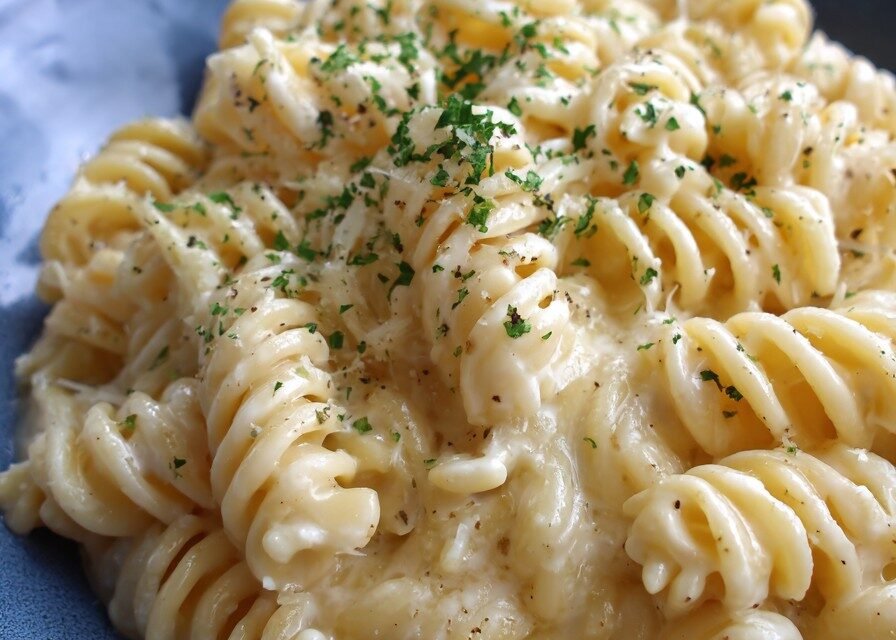
In This Article:
- Why You’ll Love This Pasta with White Sauce Recipe
- Essential Ingredients for Creamy Pasta with White Sauce
- How to Make Pasta with White Sauce Step by Step
- Tips for Perfect White Sauce Pasta & Common Mistakes to Avoid
- Flavorful Variations and Substitutions
- How to Store and Reheat Leftovers
- Frequently Asked Questions
- Whip Up Your Own White Sauce Pasta Tonight!
Why You’ll Love This Pasta with White Sauce Recipe
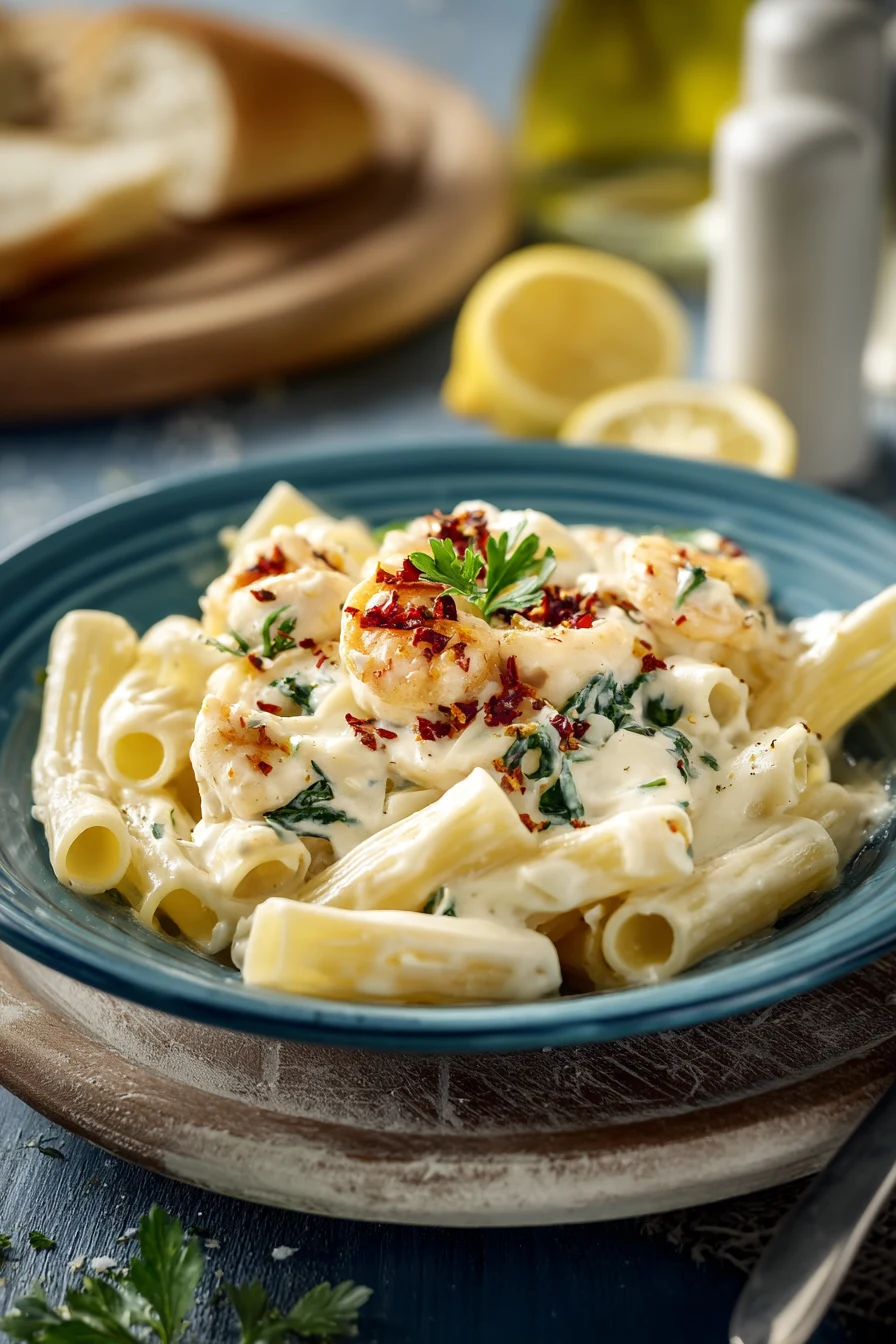
This recipe delivers on flavor, convenience, and versatility. It’s incredibly quick to prepare, making it perfect for those busy weeknights when you need something satisfying on the table fast. We’ll use pantry staples to create a rich, creamy sauce, proving that simple ingredients can make magic. Plus, it’s easily adaptable, a fantastic blank canvas to add your favorite proteins or vegetables. It’s truly a regular rotation dish for any home cook.
Essential Ingredients for Creamy Pasta with White Sauce
Gathering your ingredients is the first step to a perfect dish. Here’s what you’ll need, along with notes to help you make the best choices.
For the Pasta:
- 1 pound (about 450g) Your Favorite Pasta Shape: Fettuccine, spaghetti, penne, or farfalle work wonderfully. Penne catches the sauce well, while long pasta like fettuccine provides a lovely elegant swirl.
- Tip: Always cook your pasta al dente – firm to the bite, not mushy. This ensures it holds up and finishes cooking slightly in the pan. Reserve at least a cup of starchy pasta water before draining; it’s liquid gold for adjusting your sauce!
For the Silky White Sauce:
- 4 tablespoons (1/4 cup or 56g) Unsalted Butter: This forms the crucial base of our roux.
- Note: Using unsalted butter allows you to control the seasoning precisely. If using salted butter, adjust added salt later.
- 4 tablespoons (1/4 cup or 30g) All-Purpose Flour: This is what thickens our sauce. It combines with the butter to create a roux.
- Substitution: A gluten-free flour blend can work, but may alter texture slightly. Rice flour or a good all-purpose gluten-free blend usually performs best. For a classic béchamel, all-purpose flour is ideal.
- 3 cups (720ml) Milk: Whole milk creates the richest, creamiest sauce. 2% milk also works well for a lighter option.
- Note: Gently warming your milk before adding it to the roux helps prevent lumps and ensures a smoother, quicker-to-thicken sauce. Microwave for a minute or two, or use a separate saucepan over low heat. It doesn’t need to be hot, just not fridge-cold.
- 2-3 cloves Garlic: Freshly minced for maximum savory, aromatic flavor.
- Tip: Take care not to burn the garlic; burnt garlic turns bitter quickly. You want it fragrant and softened, not browned.
- A generous pinch Freshly Grated Nutmeg: This secret ingredient adds subtle warmth and sophistication.
- Note: Freshly grated nutmeg offers the best aroma and flavor. A microplane is perfect. If using pre-ground, use sparingly as its flavor can be stronger.
- 1 cup (about 113g) Freshly Grated Parmesan Cheese (or Pecorino Romano): This adds wonderful salty, umami depth to your sauce.
- Tip: Always use freshly grated cheese from a block for best melting and flavor. Pre-grated cheeses often contain anti-caking agents that can make your sauce gritty or oily. Pecorino Romano offers a sharper, saltier kick if preferred.
- Salt and Freshly Ground Black Pepper: To taste.
- Note: Seasoning is crucial. Start with a little salt, taste, and adjust. Remember that Parmesan will add saltiness. Freshly ground black pepper adds a lovely bite and aroma.
How to Make Pasta with White Sauce Step by Step
Let’s get cooking! This method is tried and true, ensuring a silky, flavorful white sauce pasta every time.
Step 1: Get Your Pasta Water Ready
- Fill a large pot with plenty of water (at least 4-6 quarts for 1 pound of pasta).
- Add a generous amount of salt – it should taste like the ocean. This is the only chance to season the pasta itself.
- Bring the water to a rolling boil over high heat.
Step 2: Cook the Pasta
- Once boiling, add your chosen pasta shape. Stir immediately to prevent sticking.
- Cook according to package directions until al dente. This usually means a minute or two off the suggested time, as the pasta will finish cooking in the sauce.
- Before draining, *very importantly*, scoop out about 1 to 1.5 cups of the starchy pasta water and set it aside.
- Drain the pasta in a colander. Do not rinse it; rinsing removes starch that helps the sauce cling.
Step 3: Start the Roux for Your White Sauce
- While pasta cooks, melt unsalted butter in a large saucepan or deep skillet over medium heat.
- Once butter is melted and foamy, add minced garlic. Sauté for about 30 seconds to 1 minute, just until fragrant. Be careful not to let it brown or burn.
- Sprinkle in the all-purpose flour, stirring constantly with a whisk. Cook for 1-2 minutes, stirring, until a smooth paste forms and it smells slightly nutty, like toasted flour. This is your roux, the thickening agent for the white sauce. A light blonde color is fine.
Step 4: Whisk in the Milk
- Gradually add the warmed milk to the roux, a little at a time, whisking continuously to prevent lumps. Pour a small stream, whisk until smooth, then add more. This guarantees a velvety sauce.
- Once all milk is incorporated, continue to whisk constantly. Bring the sauce to a gentle simmer over medium-low heat. It will thicken as it heats up. Keep whisking for about 5-7 minutes, until the sauce coats the back of a spoon and is creamy, not watery.
Step 5: Season and Finish the Sauce
- Remove the pan from the heat. Stir in the freshly grated Parmesan cheese, a generous pinch of nutmeg, salt, and freshly ground black pepper.
- Taste the sauce and adjust seasonings as needed. Remember, Parmesan adds salt, so be cautious with initial salt additions.
- If the sauce seems too thick, whisk in a tablespoon or two of the reserved pasta water until it reaches your desired consistency. This starchy water helps the sauce emulsify and cling beautifully.
Step 6: Combine Pasta and Sauce
- Add the drained, cooked pasta directly into the saucepan with the white sauce.
- Toss gently but thoroughly until every strand of pasta is coated in the luxurious white sauce. If the sauce feels a little tight, add another splash of pasta water, a tablespoon at a time, until it loosens up and coats the pasta nicely.
- Serve immediately, perhaps with a little extra Parmesan on top and a sprinkle of fresh parsley if you have it.
Tips for Perfect White Sauce Pasta & Common Mistakes to Avoid
Making truly great **pasta with white sauce** isn’t hard, but a few simple tips make all the difference.
For a Smooth, Lump-Free White Sauce:
- Warm Your Milk: Cold milk hitting a hot roux can cause lumps. Warming it gently helps everything come together smoothly.
- Whisk Constantly and Gradually: When adding milk to the roux, pour it in slowly, in a thin stream, while whisking vigorously. Don’t dump it all in at once! This gradual addition prevents lumps.
- Low and Slow: After milk is incorporated, don’t crank up the heat. A gentle simmer and constant whisking over medium-low heat thickens the sauce beautifully without scorching.
Achieving the Right Consistency:
- The Power of Pasta Water: This is your best friend! If your sauce is too thick, a splash of starchy pasta water will loosen it up and help it cling perfectly.
- Don’t Overcook the Roux: Cook the flour and butter for just a minute or two until light blonde and nutty. Overcooking can make the sauce taste heavy or pasty.
Flavor Boosters:
- Fresh Garlic and Nutmeg: These are non-negotiable for a truly delicious white sauce. Avoid garlic powder here. That hint of nutmeg? It’s magic.
- Good Quality Cheese: Using freshly grated Parmesan or Pecorino Romano from a block makes a world of difference. The flavor is richer, and it melts much more smoothly.
- Taste and Adjust: Always taste your sauce before combining with the pasta and again at the end. Adjust salt, pepper, or even a little more cheese as needed.
Common Mistakes to Avoid:
- Burning the Garlic: Keep an eye on the garlic. It should just soften and become fragrant, not brown. If it burns, it will make your entire sauce bitter.
- Overcooking the Pasta: Mushy pasta is a tragedy. Cook it al dente. It will finish cooking slightly when tossed with the hot sauce.
- Adding Cold Milk to Hot Roux Too Quickly: As mentioned, this is the number one cause of lumpy sauce. Take your time!
- Not Seasoning the Pasta Water: This is a fundamental mistake. Pasta cooked in unsalted water tastes bland, no matter how good your sauce is.
- Rinsing the Pasta: Rinsing pasta removes the starch that helps the sauce adhere. Just drain it and get it into the sauce.
Following these tips will ensure your **pasta with white sauce** is always a comforting success. It’s those small details that truly make a dish sing.
Flavorful Variations and Substitutions for Your White Sauce Pasta
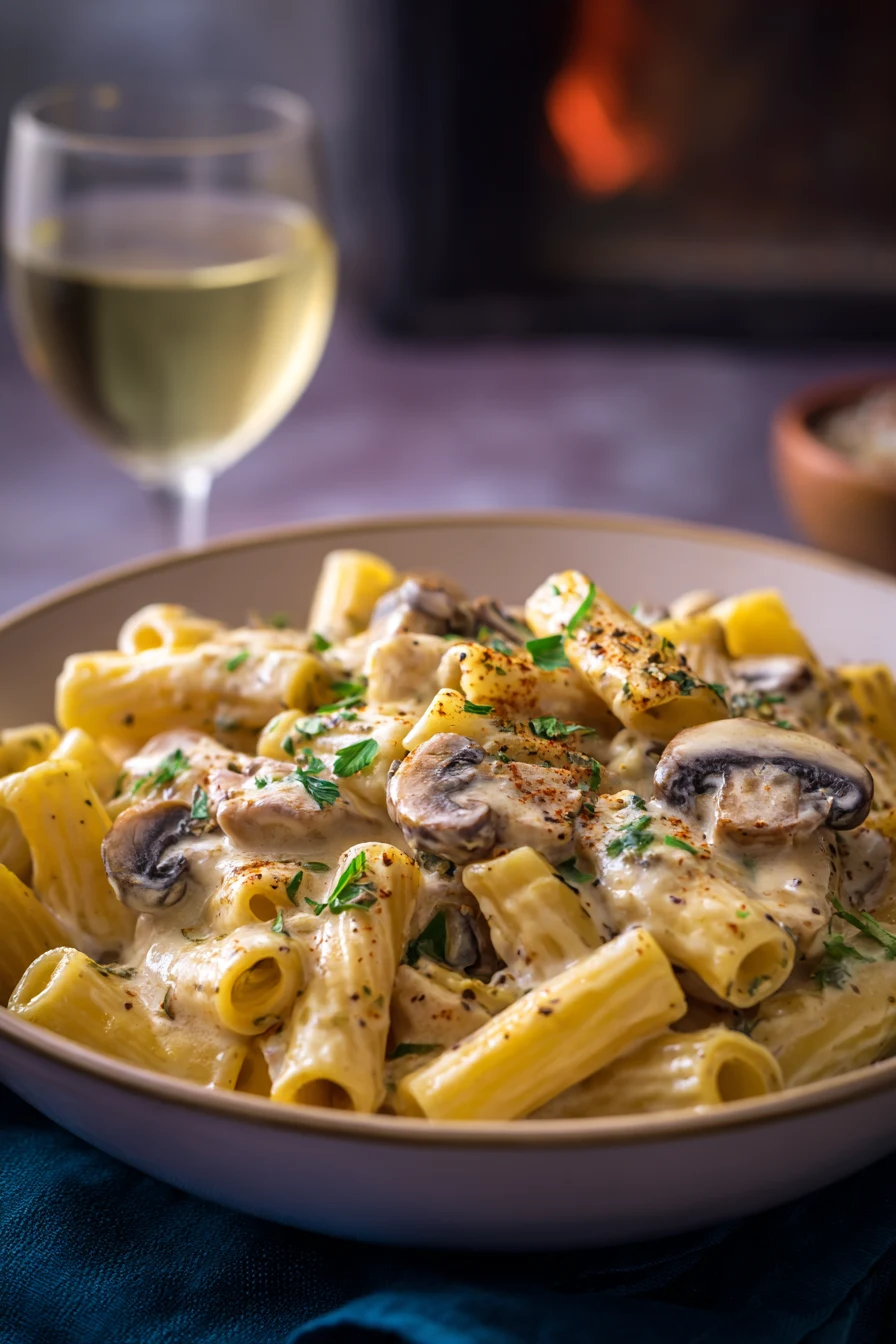
One of the beautiful things about a classic white sauce pasta is its versatility. Once you’ve mastered the basic sauce, you can truly make it your own! Think of this as your starting point for endless delicious meals.
Add Protein:
- Chicken: Sautéed chicken breast or thighs, diced or shredded, is a fantastic addition. Cook it separately, then toss it into the finished pasta. For a classic pairing, creamy chicken **pasta with white sauce** is always a winner. You might even enjoy this Chicken Alfredo Pasta for inspiration.
- Shrimp: Quick-cooking shrimp are wonderful. Sauté them with a little garlic and olive oil until pink, then fold into the pasta right before serving. A bit of lemon zest would be lovely here.
- Bacon or Pancetta: Crispy bits of bacon or pancetta add a smoky, salty punch. Cook them until crispy, crumble, and stir into the sauce or sprinkle on top.
- Ham: Diced leftover ham can be a great way to use up bits and pieces from a holiday meal.
Boost with Vegetables:
- Mushrooms: Sautéed mushrooms (cremini, button, or even wild mushrooms) add an earthy depth. Sauté them until browned and tender before adding to the sauce.
- Spinach: Fresh spinach wilts beautifully into the hot pasta and sauce, adding a touch of green and extra nutrients. Add it in the last minute of tossing.
- Peas: Frozen peas can be added directly to the hot pasta and sauce; they’ll warm through quickly.
- Broccoli or Asparagus: Lightly steamed or roasted florets or spears make for a more substantial meal and add lovely texture and color. Toss them in at the end. You could even look at a Pasta Primavera Recipe for more vegetable inspiration.
Cheese Swaps:
- While Parmesan is classic, don’t be afraid to experiment.
- Pecorino Romano: As mentioned, offers a sharper, saltier flavor.
- Gruyère: Adds a wonderfully nutty, complex flavor that melts beautifully.
- Asiago or Fontina: These semi-hard Italian cheeses can add different dimensions of flavor and creaminess.
- A mix: Sometimes a blend of cheeses is just what you need!
Herb and Spice Variations:
- Fresh Herbs: A sprinkle of fresh parsley, chives, or even a few torn basil leaves can brighten up the dish.
- Dried Herbs: A pinch of dried oregano or Italian seasoning could be added to the roux with the flour for a different flavor profile.
- Red Pepper Flakes: For a little kick, a pinch of red pepper flakes can be added with the garlic.
Make it a Baked Dish:
After combining the pasta and white sauce, transfer it to a baking dish. Top with extra cheese (like mozzarella or provolone) and bake at 375°F (190°C) for 15-20 minutes, or until bubbly and golden brown. This is a fantastic way to stretch leftovers or serve a crowd. It’s a bit like a simpler version of a Homemade Four Cheese Lasagna or a comforting Johnny Marzetti Casserole.
Don’t be afraid to play around! Cooking is an adventure, and finding your favorite combinations is part of the fun.
How to Store and Reheat Leftovers
Leftover **pasta with white sauce** is wonderful for a quick lunch or dinner the next day. Here’s how to keep it tasting its best.
Storage:
- Cool Quickly: Allow pasta to cool to room temperature within two hours. Don’t leave it out for too long.
- Airtight Container: Transfer cooled pasta to an airtight container. This prevents drying and absorbing fridge odors.
- Refrigerate: Store in the refrigerator for up to 3-4 days.
Reheating:
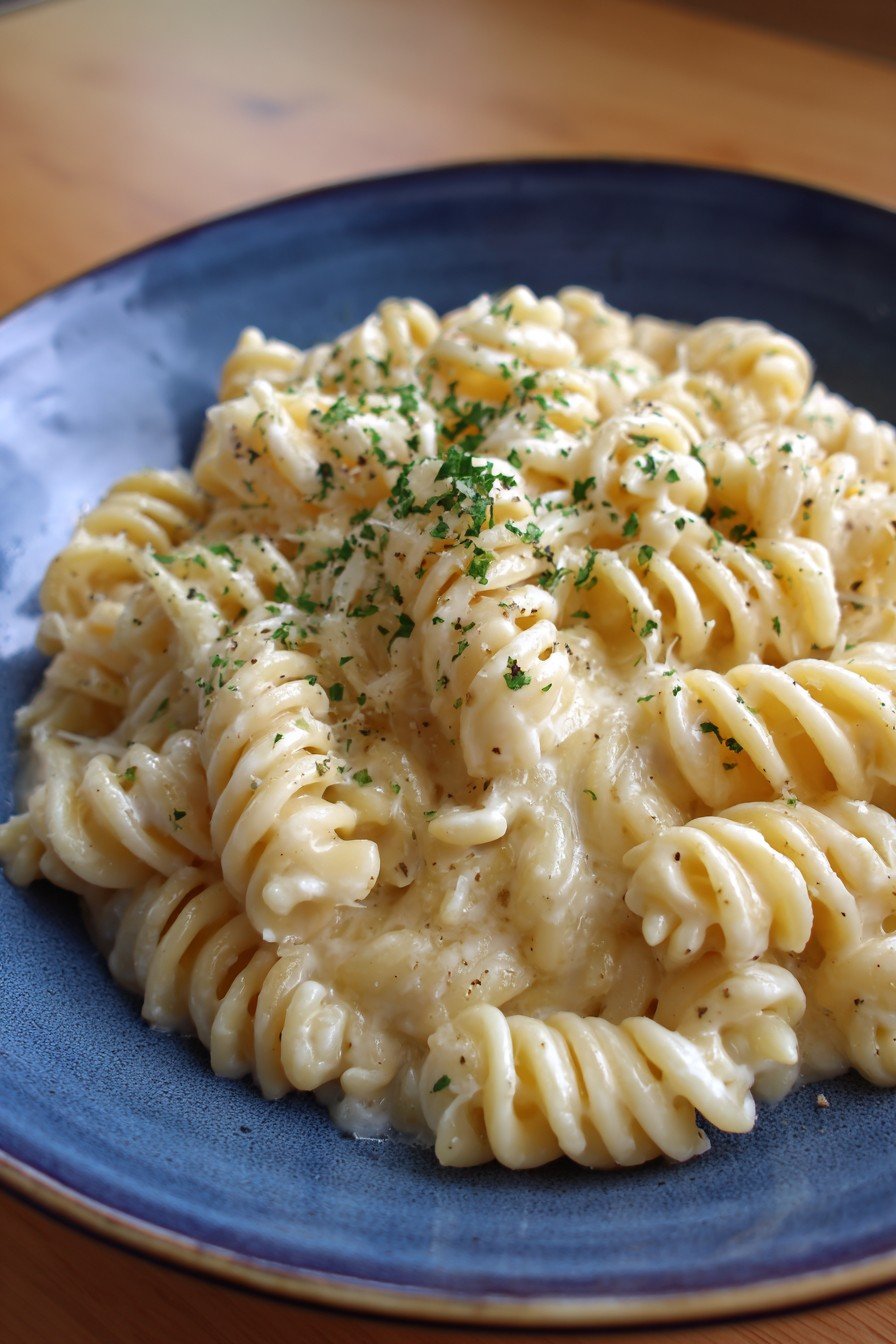
- Stovetop (Recommended): This is the best method for reheating creamy pasta dishes.
- Place leftover pasta in a skillet or saucepan over medium-low heat.
- Add a splash of milk, water, or even chicken broth (1-2 tablespoons per serving) to rehydrate the sauce.
- Stir gently and continuously, breaking up clumps, until pasta is heated through and sauce is creamy again. Do not boil vigorously, or the sauce might break.
- Microwave: While not ideal for preserving texture, it works in a pinch.
- Place a single serving in a microwave-safe dish. Add a tablespoon of milk or water.
- Cover loosely and microwave on 50% power for 1-2 minutes, stirring halfway through. Continue until heated through. Be careful not to overheat, as this can make the sauce oily.
Frequently Asked Questions
Can I make white sauce ahead of time?
You can make the béchamel sauce up to 2 days in advance. Let it cool completely, then store in an airtight container in the fridge. Reheat gently on the stovetop with a splash of milk or water, whisking constantly, before adding to freshly cooked pasta.
Why is my white sauce lumpy?
Lumps usually form if you add cold milk too quickly to the hot roux, or if you don’t whisk constantly as the sauce thickens. If you end up with lumps, try whisking vigorously off the heat, or for a very smooth sauce, push it through a fine-mesh sieve.
What can I serve with pasta with white sauce?
A simple side salad with a vinaigrette dressing is perfect to cut through the richness. Garlic bread or crusty Italian bread is also a classic for soaking up any extra sauce. Roasted vegetables like broccoli or asparagus make a nice complement as well.
Whip Up Your Own White Sauce Pasta Tonight!
You now have all the tools and knowledge to create a truly delicious **pasta with white sauce** from your own kitchen. This comforting dish is proof that simple ingredients, handled with care, can create something truly special. So grab your apron and get cooking – your creamy pasta awaits!
Printhow to make white sauce pasta from scratch
- Prep Time: 10
- Cook Time: 30
- Total Time: 40
- Yield: 4 servings 1x
- Category: Main Course
- Method: Stovetop, Mixing
- Cuisine: Italian
Description
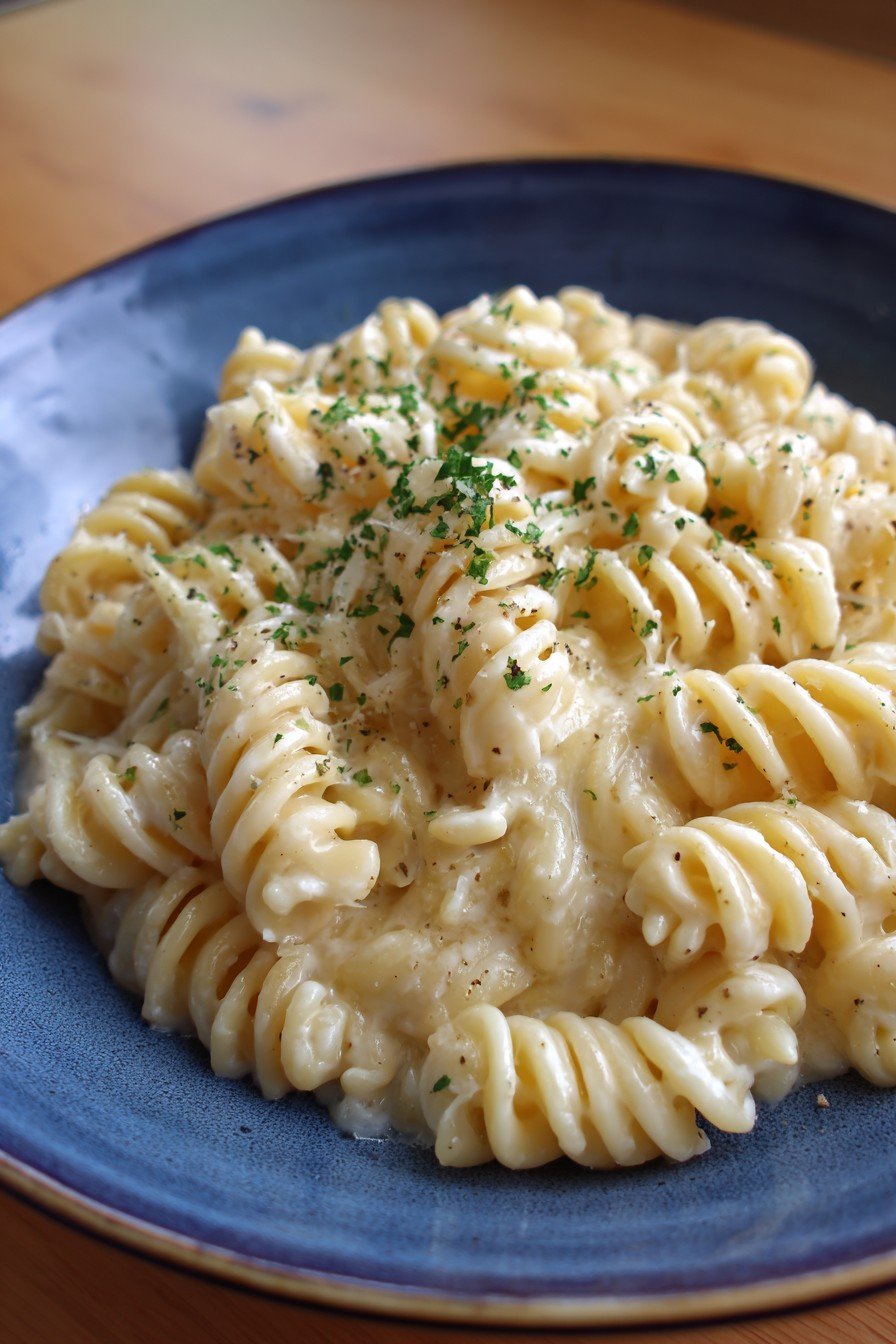
Indulge in a luxurious bowl of creamy pasta featuring a homemade white sauce that’s rich and comforting. This easy recipe uses simple ingredients to create a restaurant-quality dish in under 30 minutes, perfect for a satisfying weeknight meal. It’s a versatile base that pairs wonderfully with your choice of protein or vegetables.
Ingredients
- 1 pound (450g) pasta, any shape
- 4 tablespoons (56g) unsalted butter
- 4 tablespoons (30g) all-purpose flour
- 2 cups (480ml) whole milk, warmed
- 1/2 teaspoon salt, or to taste
- 1/4 teaspoon black pepper, freshly ground
- 1/4 teaspoon nutmeg, freshly grated (optional)
- 1/2 cup (50g) grated Parmesan cheese (optional, for serving)
Instructions
- Cook the pasta according to package directions in a large pot of salted water until al dente. Before draining, reserve at least 1 cup of the starchy pasta water. Drain the pasta and set aside.
- While the pasta cooks, prepare the white sauce. In a medium saucepan or skillet, melt the unsalted butter over medium heat. Once melted, add the all-purpose flour, stirring constantly with a whisk to create a smooth paste, known as a roux.
- Cook the roux for 1-2 minutes, continuing to whisk, until it’s light golden and smells slightly nutty. This helps to cook out the raw flour taste.
- Gradually whisk in the warmed milk, adding a little at a time to prevent lumps. Continue whisking constantly as the sauce thickens. Bring the sauce to a gentle simmer, stirring frequently, until it is smooth, creamy, and coats the back of a spoon, about 5-7 minutes.
- Season the white sauce with salt, black pepper, and optional freshly grated nutmeg. Taste and adjust seasonings as needed. If the sauce is too thick, whisk in a tablespoon or two of the reserved pasta water until it reaches your desired consistency.
- Add the cooked, drained pasta directly to the white sauce. Toss gently to coat all the pasta evenly. If adding Parmesan cheese, stir it in now until melted and fully incorporated into the sauce.
- Serve immediately, garnished with extra Parmesan cheese if desired. Enjoy your homemade creamy pasta with white sauce!
Notes
- Always cook your pasta al dente – firm to the bite, not mushy. This ensures it holds up and finishes cooking slightly in the pan with the sauce.
- Reserving starchy pasta water is crucial; it’s liquid gold for adjusting your sauce’s consistency and helping it adhere to the pasta.
- Using unsalted butter allows you to control the seasoning precisely.
- Gradually adding warmed milk to the roux helps prevent lumps and ensures a smooth, silky sauce.
- For a vegetarian option, ensure any Parmesan cheese used is rennet-free.
- Consider adding a handful of fresh spinach or cooked mushrooms for added vegetables.
Nutrition
- Array