
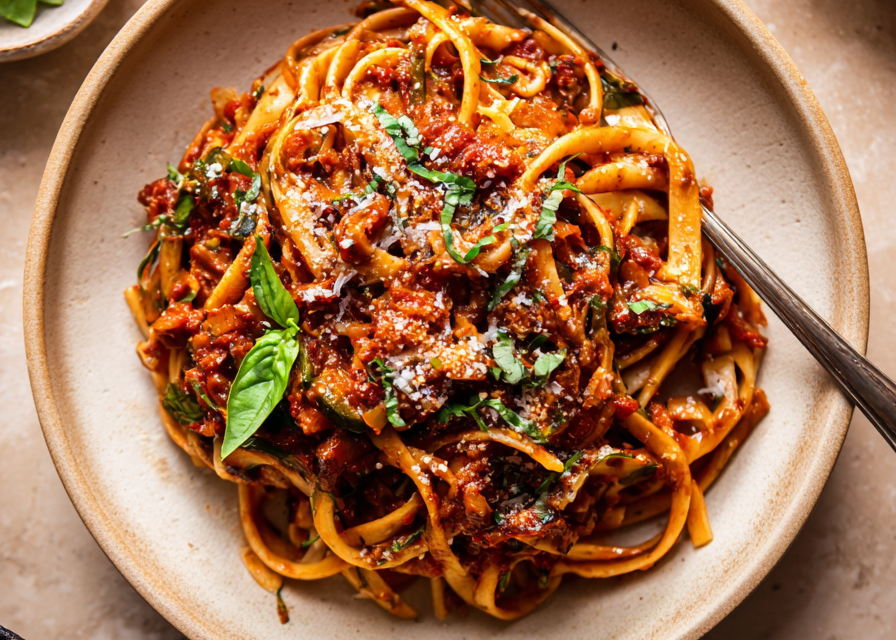
If you’re trying to add more vegetables to your meals without changing the taste your family already loves, this Hidden Veggie Pasta Sauce is the easiest place to start. It cooks into a silky, slightly sweet tomato sauce where the veggies disappear completely, both in texture and flavor. It works for toddlers, teens, and anyone who prefers their produce well disguised, and it delivers a richer, fuller flavor than basic marinara.
📋 In This Article
Why You’ll Love This Hidden Veggie Pasta Sauce
This sauce cooks down into a smooth, rich base that tastes just like a classic tomato sauce. The vegetables soften completely and blend smoothly, so no one has to know they’re there. The natural sweetness from carrots and peppers helps balance the acidity of the tomatoes, eliminating the need for added sugar.
It’s easy to prepare, works with pantry staples, and freezes beautifully. It also pairs well with simple dishes like Alfredo Sauce or heartier meals like Bolognese. You can double, triple, or even quadruple it when you want to stock the freezer before a busy season, or make a smaller batch for immediate use.
Another bonus is versatility. This sauce is mild enough for picky eaters but rich enough for adults who appreciate a deeper, slower-cooked flavor. You can toss it with pasta, simmer it with meatballs, layer it into lasagna, or even use it as a dipping sauce. Once you discover how many vegetables can blend seamlessly into a tomato base, you may never buy jarred marinara again.
Ingredients
Here’s what you’ll need to make a flavorful batch of Hidden Veggie Pasta Sauce:
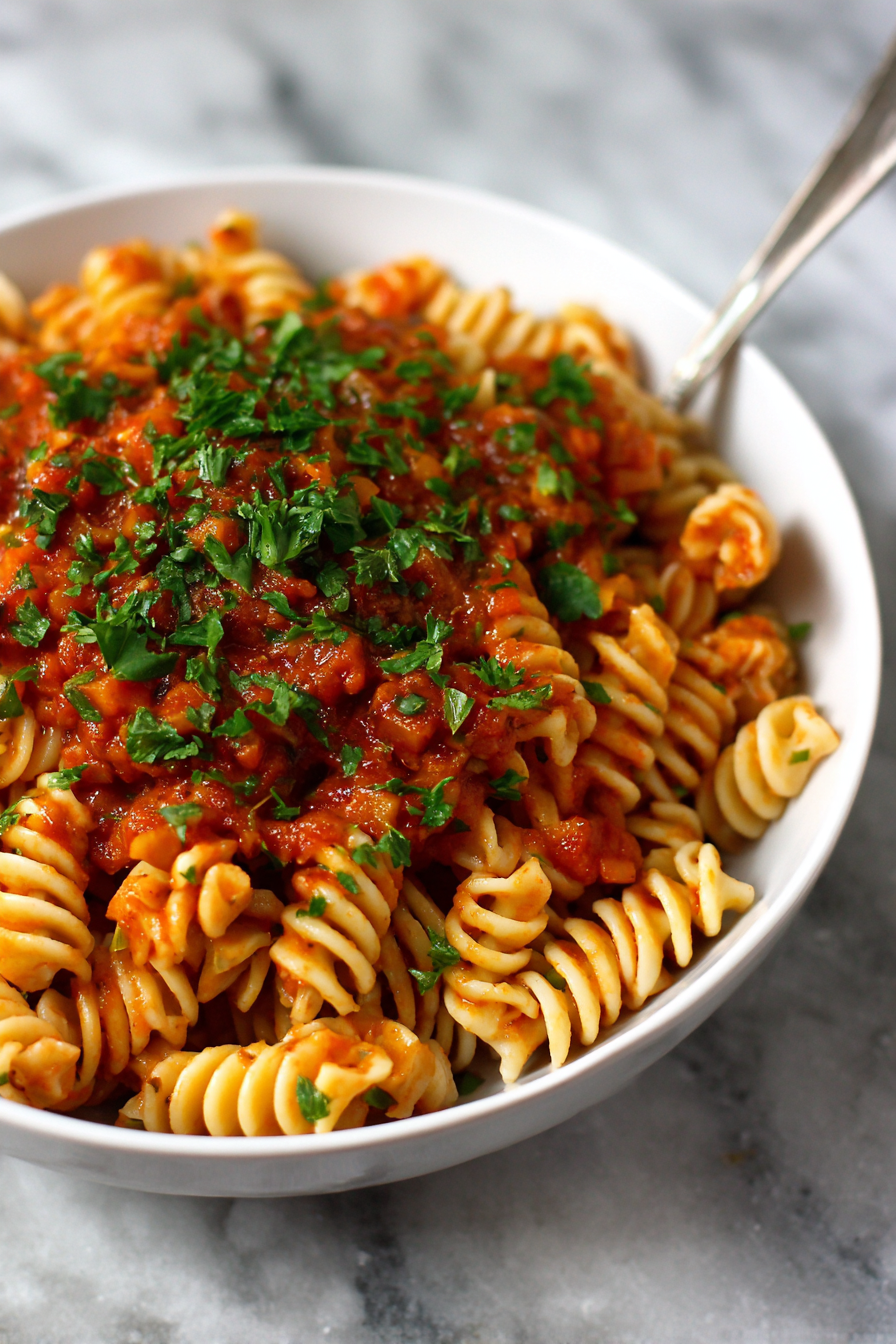
- Onion – Adds natural sweetness as it cooks down. Yellow or sweet onions work best, but white onion also blends well.
- Carrots – A great way to balance the tomatoes without adding sugar. They also help thicken the final sauce.
- Zucchini – Blends easily and adds volume without altering flavor. You can peel it if you prefer, but it’s not necessary.
- Bell pepper – Red or yellow works best for mild sweetness and vibrant color. Green pepper has a stronger flavor and is less suitable for hiding.
- Garlic – Fresh garlic deepens the flavor. If you love garlic, feel free to add an extra clove or two.
- Tomato paste – Helps give the sauce body and richness, and enhances the natural flavor of the tomatoes.
- Canned crushed tomatoes – The base of the sauce; choose a good-quality can so the flavor is naturally sweet and balanced.
- Olive oil – For sautéing the vegetables. Extra virgin adds great flavor but any olive oil works.
- Salt, pepper, and dried herbs – Oregano, basil, thyme, or a blend like Italian seasoning all work well.
Optional but helpful additions include a bay leaf for slow-simmered depth, a splash of balsamic vinegar for brightness, or fresh basil stirred in at the end for aroma. These extras aren’t necessary for the sauce to shine but can elevate the final flavor.
How to Make Hidden Veggie Pasta Sauce
Sauté the Vegetables
Warm the olive oil in a large pot. Add the onion, carrot, zucchini, and bell pepper. Cook until everything softens and starts to caramelize. This step takes patience—letting the vegetables brown slightly builds the base flavor of the Hidden Veggie Pasta Sauce. If the pot looks dry, add a splash of water rather than extra oil so the sauce doesn’t become greasy.
You’ll know the vegetables are ready when they smell sweet and the carrots can be pierced easily with a spatula. If any bits stick to the bottom of the pot, scrape them up as they help deepen the sauce’s flavor.
For even more flavor, let the vegetables sit undisturbed for short intervals to encourage browning. This mimics the slow, layered flavor you’d get from roasting but requires no extra dishes.
Add Tomato Paste and Garlic
Stir in the garlic and tomato paste. Allow the tomato paste to cook for a minute or two, which removes bitterness and deepens the flavor. When the paste begins to darken slightly and stick to the bottom, you know it’s ready for liquid.
If the garlic begins to brown too quickly, lower the heat. Burnt garlic can add bitterness, and adjusting the heat early ensures the sauce stays balanced.
Add Tomatoes and Simmer
Pour in the crushed tomatoes and season with salt, pepper, and dried herbs. Bring the mixture to a gentle simmer, then reduce the heat. Cover and cook until the vegetables are completely tender. A longer simmer produces a sweeter, richer sauce; aim for at least 25–30 minutes but longer is even better if you have time.
If the sauce reduces too quickly, add a splash of water and keep the heat low. The goal is a slow, steady simmer to break down all the vegetables fully.
For an even deeper flavor, uncover the pot during the last 10 minutes. This helps thicken the sauce and concentrate the natural sweetness of the tomatoes.
Blend Until Smooth
Turn off the heat and blend the sauce until smooth. A stick blender works well and allows you to blend right in the pot, but a regular blender creates the smoothest texture. Blend in batches if needed and be careful with hot liquids. Return the sauce to the pot and taste for seasoning.
If you prefer an ultra-smooth, almost velvety consistency, strain the sauce through a fine-mesh sieve after blending. This extra step isn’t necessary, but it creates a jarred-sauce texture without additives.
When adjusting seasoning after blending, remember that flavors continue to develop as the sauce cools. Add salt or herbs gradually so the final batch stays balanced.
Tips for the Best Results
- Cut vegetables into similar sizes so they cook evenly and soften at the same pace.
- Let the sauce simmer long enough for the veggies to completely soften; undercooked vegetables lead to a grainy texture.
- Blend thoroughly for the smoothest Hidden Veggie Pasta Sauce. Keep blending until no flecks of vegetables remain.
- Add a pat of butter after blending to soften the acidity if needed; this is especially helpful if your tomatoes are very tangy.
- Taste and adjust salt once the sauce is blended. The flavor changes dramatically after pureeing.
- If the sauce is too thick, thin it with a splash of water or broth at the end of cooking.
- If the sauce tastes flat, add a pinch of salt, a splash of vinegar, or a touch of olive oil to brighten it.
- Let the sauce cool slightly before blending to avoid pressure build-up when using a traditional blender.
- Use good-quality tomatoes; the flavor of the sauce depends heavily on them.
- For extra sweetness, add a roasted carrot or half of a roasted red pepper.
- To reduce bitterness, add a tiny pinch of baking soda. It neutralizes acidity without altering flavor.
- If you want a thicker sauce for pizza or lasagna, let it simmer uncovered during the last 10 minutes.
- If your sauce tastes watery, continue simmering uncovered until it thickens naturally.
- For picky eaters, ensure all skins and seeds are fully blended for the smoothest possible texture.
Variations
Boost the Vegetables
- Add a handful of spinach toward the end of cooking. It will wilt instantly and blend right in without changing flavor.
- Swap zucchini for butternut squash for more sweetness and a slightly thicker sauce.
- Add celery for a deeper, more savory base similar to traditional Italian soffritto.
- Stir in a few florets of steamed cauliflower; they contribute creaminess when blended.
- Blend in roasted tomatoes for a richer, more concentrated flavor.
- Add a small handful of mushrooms for umami; once blended, they become completely undetectable.
Change the Seasoning
- Add red pepper flakes for heat, adjusting the amount depending on your spice tolerance.
- Use Italian seasoning for a stronger herb flavor, or combine dried oregano with fresh basil for a more balanced finish.
- Add smoked paprika for a subtle smoky note that pairs well with meatballs or sausage.
- Stir in a bay leaf while simmering for slow-cooked depth.
- Add a small rosemary sprig for a more aromatic profile.
Make it Creamy
- Blend in a splash of cream or coconut milk for a silky finish that still highlights the tomato flavor.
- Add a spoonful of ricotta after blending for a slightly thicker, smoother sauce.
- For dairy-free creaminess, stir in a tablespoon of cashew butter before blending.
- Mix in a bit of mascarpone for a luxurious, velvety finish.
Protein Add-Ins
- Add cooked lentils to the sauce for extra fiber and plant-based protein.
- Simmer the sauce with browned Italian sausage for a more robust meal.
- Stir in shredded rotisserie chicken for an easy weeknight upgrade.
- Add crumbled tofu for a vegetarian-friendly boost that blends right in.
Ways to Use Hidden Veggie Pasta Sauce
- Toss with any pasta shape, from penne to linguine.
- Layer into lasagna for a nutrient boost in every bite.
- Use as a base for pizza for a veggie-loaded alternative to jarred pizza sauce.
- Spoon over roasted vegetables or use as a dipping sauce for breadsticks.
- Simmer with meatballs for an easy dinner that reheats beautifully.
- Add to soups or stews for instant flavor and added vegetables.
- Use as a base for shakshuka or baked eggs.
- Stir into casseroles for extra richness and moisture without visible vegetables.
Storage
This Hidden Veggie Pasta Sauce keeps well and reheats beautifully. The flavor often improves on the second or third day as the ingredients continue to meld.
- Refrigerator: Store in a sealed container for up to 4 days. Keep it in a glass jar or airtight container to maintain freshness.
- Freezer: Freeze for up to 3 months in portions for quick meals. Use freezer bags or small containers so you can thaw only what you need.
- Reheating: Warm on the stovetop over low heat or microwave in short bursts. Add a splash of water if it thickens too much.
- Make-ahead tip: Freeze the sauce flat in a freezer bag so it thaws quickly.
It’s perfect for meal prep and quick pasta nights, but it also works well as a base for dishes like Vegan Lentil Stew or spooned into casseroles. You can even freeze the sauce in silicone ice cube trays for toddler-sized portions.
FAQ
Can I add meat to this sauce?
Yes. Brown ground turkey, beef, or chicken first, then add the sauce and simmer together. The vegetables will blend seamlessly with the meat.
Can I use frozen vegetables?
Frozen vegetables work fine. Just cook off any extra moisture before adding tomatoes so the sauce doesn’t become watery.
Will kids notice the vegetables?
Once blended, the vegetables disappear completely. The sauce tastes like a classic tomato sauce, and the texture is perfectly smooth.
Can I make this sauce in a slow cooker?
Yes. Add everything except the olive oil to the slow cooker and cook on low for 6–7 hours. Blend at the end until smooth.
Is this sauce gluten-free?
Yes, the sauce itself is naturally gluten-free. Just pair it with gluten-free pasta if needed.
Conclusion
This Hidden Veggie Pasta Sauce is simple, flavorful, and packed with vegetables that melt right into the sauce. It’s an easy way to fit extra produce into your meals without changing the taste your family already loves. With its smooth texture, flexible ingredient list, and meal-prep potential, it’s a recipe you’ll return to again and again. Give it a try, and keep a few batches in the freezer for fast dinners whenever you need them.
More Recipes You’ll Enjoy:
- Alfredo Sauce Recipe
- Arrabbiata Sauce
- Bolognese Sauce Recipe
- Carbonara Pasta Sauce
- Carbonara Pasta Sauce 2
Helpful References:
Hidden Veggie Pasta Sauce
- Prep Time: 10
- Cook Time: 30
- Total Time: 40
- Yield: 6 servings 1x
- Category: Main Course
- Method: Stovetop, Mixing
- Cuisine: Italian
- Diet: Vegan, Vegetarian
Description
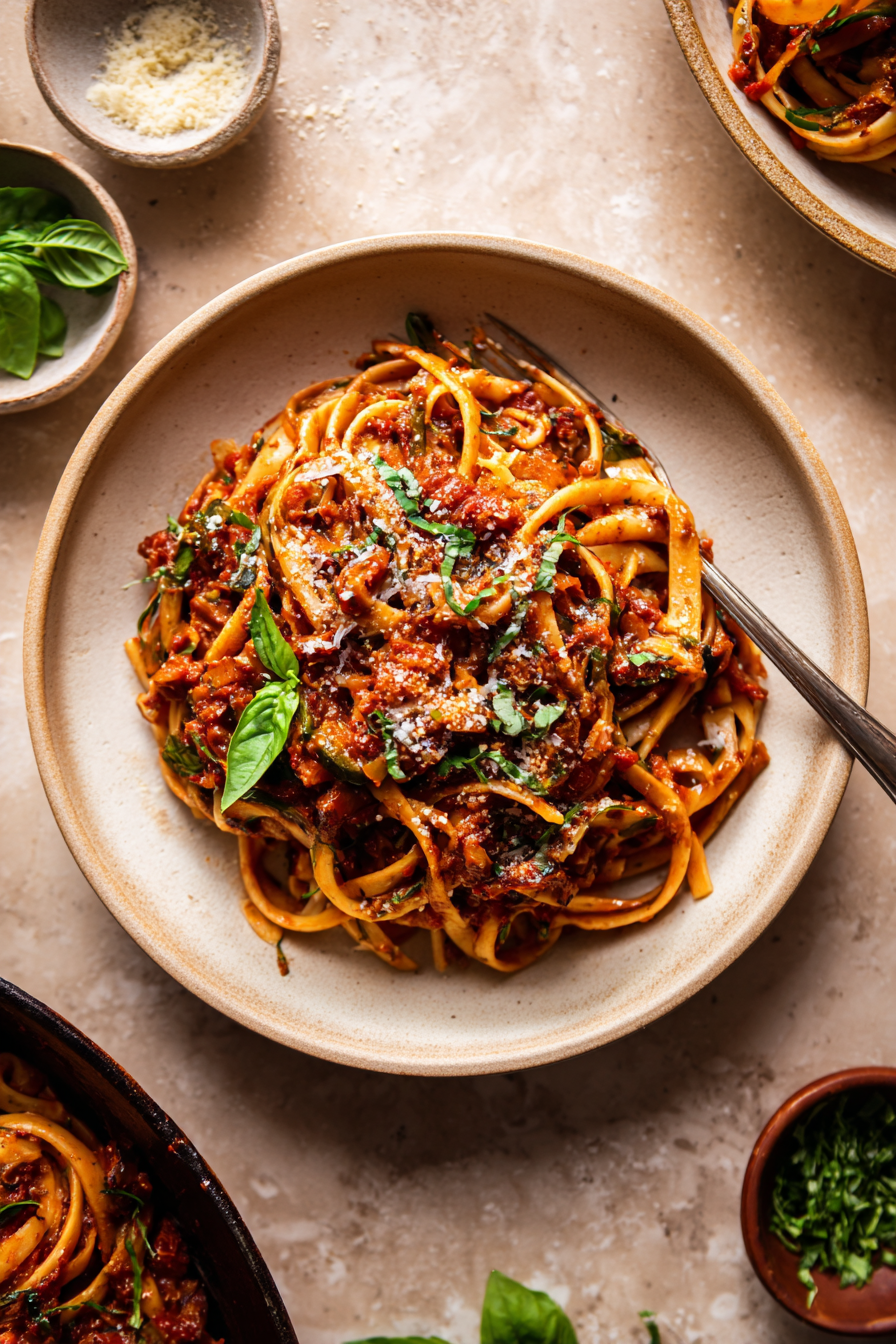
This hidden veggie pasta sauce is a smooth, flavorful tomato-based sauce enriched with blended vegetables that melt seamlessly into the texture. It offers a subtle sweetness and added depth without altering the classic pasta sauce taste. The result is a family-friendly option ideal for picky eaters and easy weeknight meals. It also pairs well with many pasta dishes for added flexibility.
Ingredients
- 1 tablespoon olive oil
- 1 medium yellow onion, chopped
- 2 medium carrots, peeled and sliced
- 1 medium zucchini, chopped
- 1 red bell pepper, chopped
- 3 cloves garlic, minced
- 1 can (28 ounces) crushed tomatoes
- 1 teaspoon dried oregano
- 1 teaspoon dried basil
- 1/2 teaspoon salt
- 1/4 teaspoon black pepper
- 1/2 cup water or vegetable broth
Instructions
- Heat the olive oil in a large pot over medium heat until shimmering, then add the onion and cook for 4 to 5 minutes until softened and lightly golden.
- Add the carrots, zucchini, and bell pepper, stirring occasionally, and cook for 8 to 10 minutes until the vegetables begin to soften.
- Stir in the garlic and cook for 1 minute until fragrant, making sure it does not brown.
- Pour in the crushed tomatoes and water or broth, then add the oregano, basil, salt, and pepper. Stir to combine.
- Bring the mixture to a gentle simmer, reduce heat to low, and cook uncovered for 20 to 25 minutes until all vegetables are tender and the sauce slightly thickens.
- Remove from heat and let the sauce cool slightly, then blend with an immersion blender until completely smooth, or transfer to a countertop blender in batches.
- Return the sauce to the pot if needed, adjust seasonings to taste, and heat for 2 more minutes before serving.
Notes
- This sauce freezes well for up to 3 months; cool completely before storing.
- For a brighter tomato flavor, add a splash of balsamic vinegar at the end.
- If you prefer a chunkier sauce, blend only half of the mixture.
- For more pasta inspiration, see our Pasta Recipes.
Nutrition
- Array