
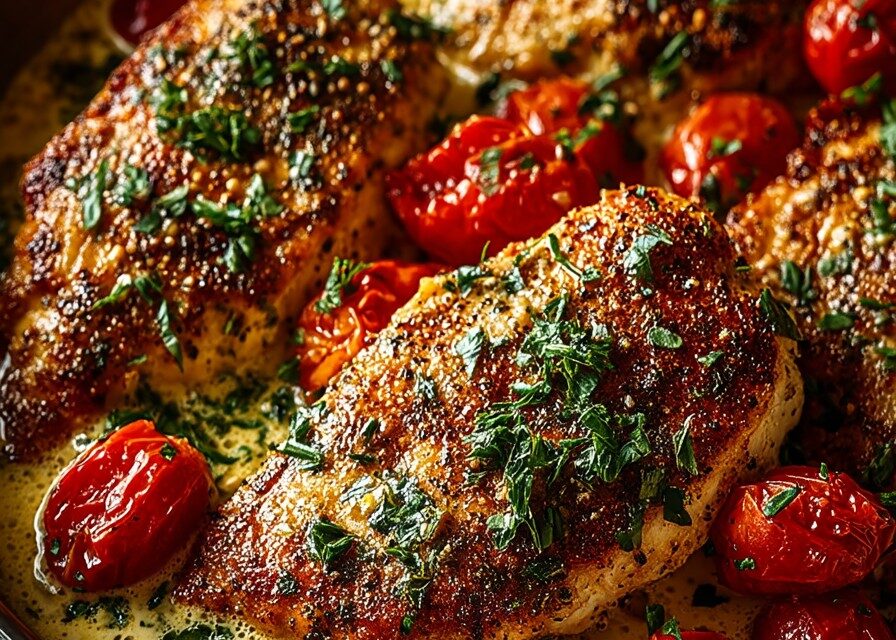
The Secret Behind That Perfect Creamy Basil Finish
Every time I make this, I’m reminded how much restraint matters in cooking. You need to sear boldly, then soften the heat enough to let cream and pesto become friends, not rivals. The secret lies in that slow merging—the cream’s richness rounding out basil’s bite, the olive oil letting garlic open up before dairy hits. I learned it by ruining an early batch where I rushed the heat and split the sauce. Now I know better: low flame, wooden spoon, patience. That’s how you get that glossy, green-tinted sauce that clings to chicken like it belongs there.
Let’s walk through every choice so you can cook this the right way the first time.
Why You’ll Love This Creamy Pesto Chicken
- Layers of basil-garlic flavor that taste fresh but grounded in comfort.
- Sauce that hugs each bite—creamy, smooth, and balanced by a hint of acidity.
- Ready in under 30 minutes, no chopping marathon or dirty pile of pans.
- Customizable: works with pasta, rice, or light greens on the side.
- Always gets “what’s in this sauce?” from anyone who tries it.
- One-pan meal: minimal cleanup and a unified depth of flavor from browning in the same skillet.
- Scales beautifully for date night or family dinner—double the recipe without fuss.

What You’ll Need
Main Protein / Base
- Boneless, skinless chicken breasts: Pound to about ½ inch thick for even cooking. Thighs also work—they’re juicier and more forgiving if you tend to overcook. If using thighs, add one extra minute of simmer time. Cutting them into medallions makes serving easier and ensures more sauce coverage per bite.
- Olive oil: Builds the first layer of flavor. Choose one you’d drizzle on salad, not a bland cooking oil. That fruity edge complements basil later. To enhance flavor further, you can infuse the oil briefly with a smashed garlic clove before searing the chicken.
Aromatics
- Garlic: Freshly minced—it’s the backbone of the pesto’s aroma. Pre-minced garlic tastes flat and bitter when cooked at this heat level. Crushing garlic instead of chopping also releases more flavor compounds and mingles better with the oil.
- Shallot or onion: Optional, but that subtle sweetness bridges pesto’s brightness and the cream’s depth. I add shallot when I want a rounder sauce. If you prefer a sharper note, use finely diced yellow onion instead.
Spices
- Kosher salt & black pepper: Season at every stage—raw chicken, while searing, and after the sauce tastes ready. Layered salt equals layered flavor. Don’t skip the final tasting step before serving.
- Red pepper flakes: A pinch cuts richness without pushing the dish into “spicy.” If you include tomatoes later, this tiny heat keeps balance. You can swap with a few grinds of cracked pink peppercorn for a gentler warmth.
Liquid or Sauce
- Heavy cream: Don’t swap with half-and-half; it lacks body and splits easily. You need the fat to suspend basil and cheese smoothly. For lactose-free adaptation, a high-fat oat or coconut cream can work surprisingly well, though flavor will shift slightly toward sweet.
- Basil pesto: Use homemade if you can, but there’s one jar brand I trust when time’s tight—it has that pure basil-garlic-Parmesan trio, not the dull greenness of cheaper jars. Homemade pesto with roasted pine nuts adds depth that helps the sauce taste cooked-from-scratch.
- Chicken broth: Thins the sauce while deepening savoriness. It’s what keeps “creamy” from veering into heavy. If you’re using low-sodium broth, salt minimally at the start and adjust near the end.
Vegetables or Add-ins
- Cherry tomatoes or baby spinach: Color and contrast. Tomatoes burst and sweeten the sauce slightly; spinach melts right in and brings life to the plate. For extra body, add sliced mushrooms in the searing step before the chicken finishes cooking.
- Artichoke hearts or zucchini ribbons: Both handle creamy sauces well and echo the Italian roots of the dish. Just avoid watery vegetables—they thin the sauce.
Toppings
- Parmesan cheese: Salt, umami, and thickness in one. Finely grate it just before serving so it gently melts without clumping. Avoid pre-shredded varieties coated in starch—they don’t melt smoothly.
- Fresh basil: Add at the very end—it perfumes the dish once heat releases its oils. Don’t cook it beforehand or it will dull to dark green and lose aroma. A mix of sweet basil and lemon basil creates a layered fragrance.
How to Make Creamy Pesto Chicken

Prep & Season
- Step 1: Prepare the chicken. Pat breasts dry so they sear properly. Season both sides generously with salt and pepper. Moisture is the enemy of browning. For thicker breasts, slice horizontally to create thin cutlets for even doneness.
- Step 2: Sear until golden. Heat 1½ tablespoons olive oil in a large skillet over medium-high. Add chicken and cook 4 minutes per side, until golden edges form. Don’t move it too early—the crust develops when it stops sticking. If the pan smokes, lower the heat slightly. The fond forming at the bottom adds roasted complexity.
Build the Base
- Step 3: Sauté aromatics. Reduce heat to medium. Add minced garlic (and shallot if using). Stir only until fragrant—about 30 seconds. Don’t let it brown; burnt garlic ruins balance and gives bitterness that no amount of cream can hide. You’re aiming for that light golden waft of perfume just before you deglaze.
- Step 4: Deglaze. Pour in ⅓ cup chicken broth to release browned bits from the pan. They carry all the fond—those caramelized pieces that make your sauce taste slow-cooked. Scrape the bottom gently with a wooden spoon to incorporate every bit of flavor.
Cook & Simmer
- Step 5: Make the sauce. Add ¾ cup heavy cream and ¾ cup pesto. Whisk gently as they warm together. Once steam starts rising, immediately lower to medium-low. Boiling will break the emulsion and dull that basil color. Let it gently bubble around the edges, stirring occasionally. If you prefer a thinner sauce for pasta, add 1–2 tablespoons extra broth now.
- Step 6: Return the chicken. Nestle it into the sauce. Spoon sauce over each piece and simmer 4–5 minutes, uncovered, until internal temp hits 165°F and the sauce thickens enough to coat a spoon. Keep an eye on consistency—if it coats the back of a spoon and leaves a light trail when dragged, it’s perfect.
Finish & Plate
- Step 7: Add brightness. Toss in a handful of spinach or halved cherry tomatoes. Stir briefly—spinach just wilts, tomatoes soften slightly. Don’t cook them down to mush; texture contrast is the reward here. The greens cut through the richness and make the dish visually inviting.
- Step 8: Taste and adjust. Add salt or a squeeze of lemon juice if it needs lift. Off the heat, sprinkle Parmesan and fresh basil. Serve immediately with sides of choice. The combination of residual heat and citrus accent balances the sauce perfectly.
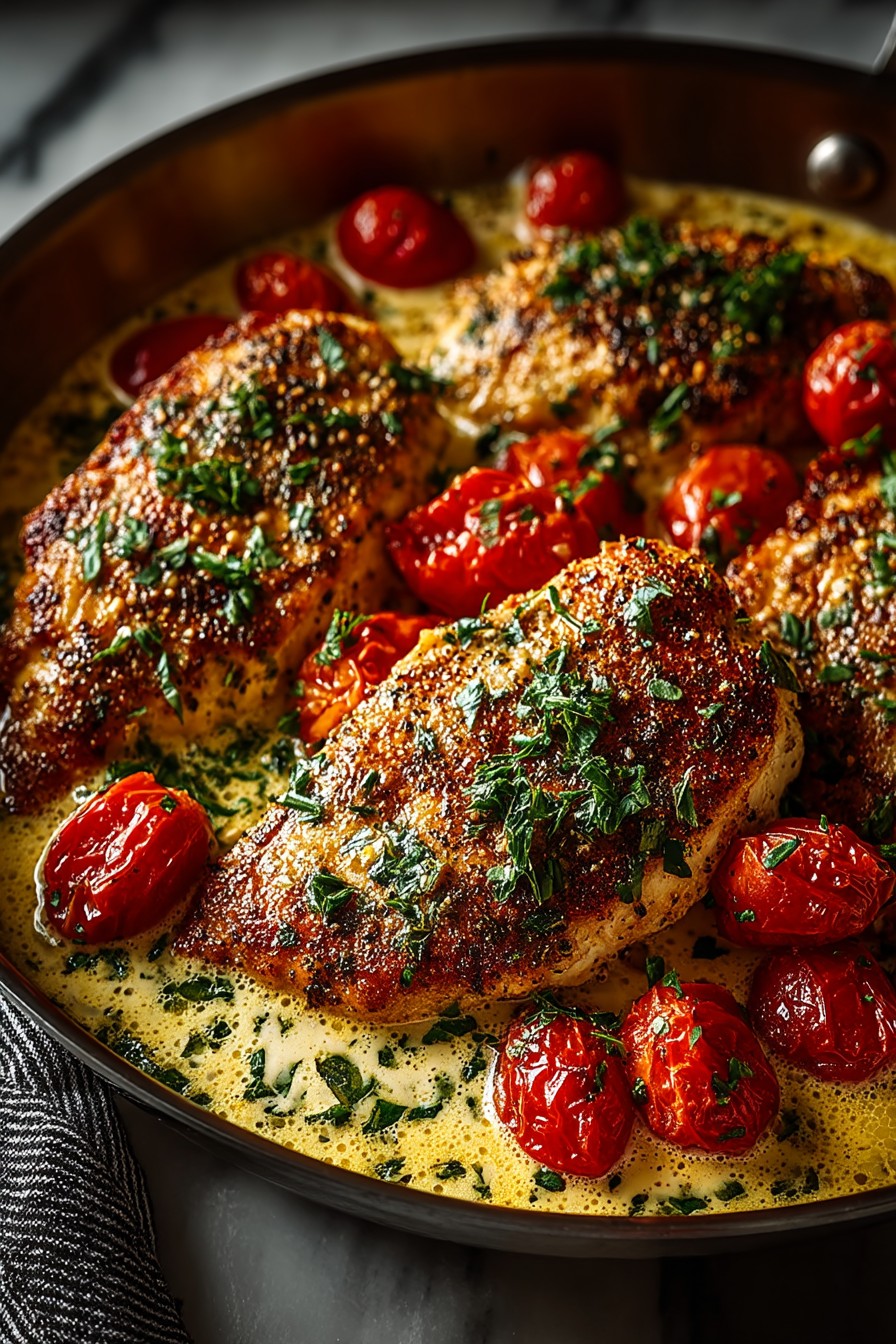
For a reliable texture visual: the sauce should look glossy and thick enough that streaks form when you drag a spoon across. That sheen means the fat, cream, and pesto have properly married. If it looks greasy, your heat was too high—rescue by whisking in a tablespoon of cold cream off heat.
If you’re curious how quick weeknight sauces differ, you might enjoy reading this guide to fast skillet chicken dishes for timing and heat-control tricks that also apply here.
Making the Creamy Pesto Sauce
The ratio that never fails is 1 part heavy cream to 1 part pesto. Go too heavy on pesto and basil overpowers; too light and you lose personality. Heat gently—medium-low only—until it coats the back of a spoon. Whisk if it looks separated, but never rush it. The sauce relies on fat staying unified to achieve that silkiness.
If your pesto is particularly oily, skim off excess oil before mixing with cream. Conversely, if your pesto is dry, drizzle in a teaspoon of extra-virgin olive oil during whisking. Small tweaks allow consistency control and preserve that luxuriously thick finish.
For a brighter spin, whisk in a spoon of fresh herb dressing near the end—this adds acidity without watering the sauce down. You can also experiment with a pinch of lemon zest or a few drops of white balsamic vinegar for gentle lift.
Make-ahead note: Mix the pesto and cream the day before and refrigerate in a sealed jar up to 2 days. Warm slowly, whisking occasionally, before finishing the dish. Never reheat cream sauce directly from cold on high heat—gradual warming preserves texture.
How to Serve It
Serve this over hot pasta—penne, fusilli, or tagliatelle all grip the sauce well. Rice, quinoa, or mashed cauliflower also catch the creamy basil edge nicely. Add a final scoop of sauce on top; don’t bury the chicken underneath it. That coating’s gentle shine is part of the appeal.
For lower-carb options, try zucchini noodles or roasted spaghetti squash as a base. The contrast between earthy squash strands and creamy basil gives a balanced bite. For a cozy twist, pile the chicken over garlic mashed potatoes and pour the sauce right down the middle.
To contrast richness, pour a crisp white wine or sparkling lemonade alongside. A scatter of crushed pistachios adds crunch that pairs with pesto’s nuttiness. Garlic bread or warm focaccia makes excellent companions for mopping up every drop of sauce. If the dish sits a few minutes before serving, expect the sauce to thicken slightly; its cream base sets as it cools, deepening flavor even more.
If you enjoy creamy-herb pairings, take a look at another basil-inspired chicken dish that uses similar principles of balancing greens and dairy.
Troubleshooting & Pro Tips
- Too thick? Whisk in warm broth, one tablespoon at a time, until you reach desired consistency.
- Too thin? Simmer two minutes longer or whisk in a teaspoon of grated Parmesan to thicken naturally.
- Muted flavor? Add a pinch of salt and a few drops of lemon juice—cream can dull seasoning, so taste right before serving.
- Chicken turned tough? It likely overcooked during searing—use a meat thermometer next time and pull the chicken off as soon as it reaches 160°F before returning to sauce for final coating.

Storage and Reheating
- Fridge: Keep leftovers in an airtight glass container up to 4 days. The sauce may firm up but will loosen again with gentle heat. Add a splash of broth before reheating to restore gloss.
- Freezer: Yes—freeze up to 2 months. Thaw overnight in the fridge, then warm slowly. Expect a slightly grainier texture, but flavor stays intact. Stir midway through thawing to reduce separation.
- Reheating: Reheat on low in a skillet or saucepan. Add 2 tablespoons broth or cream to revive that silky sauce. Avoid microwaving on high—the separation risk is real. If you must reheat in a microwave, use 50% power and stir midway.
FAQ
Can I use store-bought pesto?
Yes, just choose one made with real basil, olive oil, and Parmesan. Cheaper versions use spinach and canola oil, which dull aroma and make the sauce slick instead of creamy. Look for a short ingredient list and a bright green hue.
How can I make this lighter?
Swap half the cream for whole milk and add a tablespoon extra of pesto. You’ll keep most of the flavor with less richness, though the sauce will be thinner and less glossy. Alternatively, use Greek yogurt off heat for tang without heaviness.
Can I prepare it ahead for meal prep?
Sear and cool the chicken separately. Refrigerate the sauce in a jar. Reheat sauce first until warm, then add chicken to finish cooking through right before serving. The texture stays best if combined right before eating.
Why did my sauce split?
It likely boiled or heated too quickly. Keep it under a gentle simmer and stir occasionally. Fat separation happens above 190°F, so low and slow wins here. If it splits, whisk in 1 teaspoon cold cream to help re-emulsify.
Related Recipes
- Creamy Pesto Tortellini
- Lemon Garlic Pasta
- Alfredo Sauce Recipe
- Creamy Lemon Ricotta Pasta Recipe Youll Crave
- Spinach Artichoke Pasta
Creamy Pesto Chicken in 30 Minutes for Pure Comfort
- Prep Time: 10
- Cook Time: 30
- Total Time: 40
- Yield: 4 servings 1x
- Category: Main Course
- Method: Stovetop, Mixing
- Cuisine: Italian
- Diet: Halal, Keto Friendly, Low Carb
Description
This Creamy Pesto Chicken is a fast one-pan dish that delivers tender chicken coated in a smooth basil and Parmesan sauce. The balance between garlic, cream, and olive oil creates a luxurious texture that brings restaurant-level comfort to the table in under 30 minutes. Serve it with pasta, rice, or light greens for a full meal. For another comforting pasta idea, check out our Creamy Lemon Ricotta Pasta Recipe You’ll Crave.
Ingredients
- 4 boneless, skinless chicken breasts (about 1 ½ lb total, pounded to ½ inch thick)
- 1 tbsp olive oil (extra virgin, for searing)
- 1 tbsp butter (unsalted)
- 3 cloves garlic (minced, fresh)
- ½ cup chicken broth (low sodium)
- 1 cup heavy cream (room temperature)
- ⅓ cup prepared basil pesto (homemade or store-bought)
- ¼ cup grated Parmesan cheese (freshly grated)
- ¼ tsp red pepper flakes (optional, for heat)
- Salt and black pepper (to taste)
- 1 tbsp lemon juice (freshly squeezed)
- 2 tbsp chopped fresh basil (for garnish)
Instructions
- Preheat skillet: Heat a large heavy-bottomed skillet over medium-high heat for 2 minutes, until hot but not smoking.
- Sear chicken: Add olive oil and sear chicken breasts for 4–5 minutes per side, until golden brown and the internal temperature reaches 165°F. Remove to a plate and cover lightly with foil.
- Deglaze pan: Reduce heat to medium and add butter. Once melted, stir in minced garlic and sauté for 30 seconds until fragrant and lightly golden.
- Add broth: Pour in chicken broth to deglaze, scraping up browned bits with a wooden spoon. Simmer for 2 minutes until slightly reduced.
- Incorporate cream: Lower heat to medium-low and stir in the heavy cream. Cook for 3 minutes until warm and smooth, taking care not to boil.
- Stir in pesto and cheese: Add basil pesto and Parmesan, whisking continuously for 2 minutes until the sauce thickens slightly and becomes glossy.
- Adjust flavor: Stir in lemon juice, red pepper flakes, salt, and pepper; taste and adjust seasoning as needed.
- Return chicken: Slide the seared chicken back into the skillet, coating each piece with sauce. Simmer gently for 3–4 minutes, or until sauce clings evenly and chicken feels tender to the fork.
- Finish and thicken: Continue cooking another minute if sauce seems thin; it should coat the back of a spoon.
- Garnish and serve: Turn off heat, sprinkle with fresh basil, and serve immediately with pasta or steamed vegetables.
Notes
- Substitute chicken thighs for a juicier option; increase simmer time by 1 minute.
- Make ahead: The sauce can be prepared up to 2 days in advance and refrigerated; gently reheat before adding chicken.
- Storage: Leftovers keep up to 3 days in an airtight container in the refrigerator.
- Reheat: Warm in a skillet over medium-low heat for 4–5 minutes, stirring often; add a splash of broth to loosen the sauce.
- Serve with pasta, roasted potatoes, or crusty bread to soak up the sauce.
- Use low-fat cream for a lighter version, though sauce will be slightly thinner.
- For extra flavor depth, stir in 1 tsp sun-dried tomato paste with the pesto.
Nutrition
- Array