
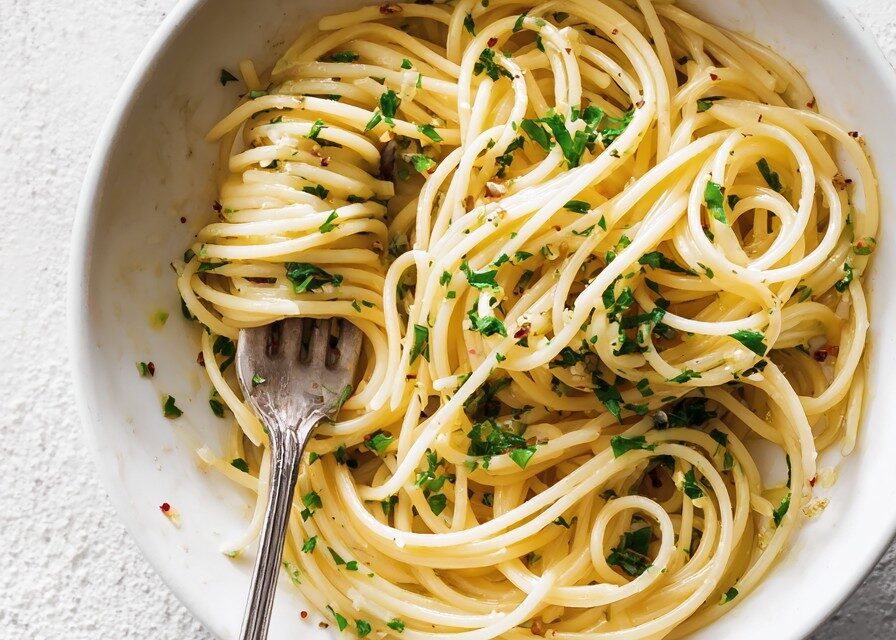
Aglio e olio is a testament to the idea that simple doesn’t equal boring. In fact, with the right technique, a few humble ingredients can transform into a deeply satisfying and flavorful meal. Are you ready to experience pasta perfection in minutes? Let’s do it!
In This Article:
- Why This Aglio e Olio Recipe Works
- Ingredients for Perfect Aglio e Olio
- How to Make Aglio e Olio Step-by-Step
- Tips for the Best Aglio e Olio
- Aglio e Olio Variations and Substitutions
- Storing and Reheating Your Aglio e Olio
- Frequently Asked Questions About Aglio e Olio
- Enjoy Your Aglio e Olio! (Conclusion)
Why This Aglio e Olio Recipe Works
This aglio e olio recipe is so fast and delicious because:
- It cooks fast: ready in about 15 minutes.
- It uses only a few simple ingredients.
- The technique unlocks maximum flavor.
- It’s easy to scale up or down.
- It’s easy to customize, too.
The magic lies in the proper execution. Every step, from salting the pasta water to gently blooming the garlic, contributes to the final symphony of flavors. This recipe is a blank canvas ready for your personal touches.
Ingredients for Aglio e Olio
- Spaghetti: 8 ounces. Good quality makes a difference! Bronze-die pasta is ideal, as its rough texture grabs the sauce.
- Extra Virgin Olive Oil: 1/2 cup. This is where the flavor lives; splurge a little! A fruity or peppery oil adds character.
- Garlic: 6-8 cloves, thinly sliced. Adjust to your taste. Slicing prevents burning and flavors the oil.
- Red Pepper Flakes: 1/2 teaspoon, or to taste (optional for heat). Add a pinch, or skip if you don’t like spice.
- Fresh Parsley: 1/4 cup, chopped (optional, but adds brightness). Flat-leaf (Italian) parsley for the cleanest flavor.
- Parmesan Cheese: Grated, for serving (optional). Salty and savory! Pecorino Romano is another great choice for a stronger flavor.
- Salt and Black Pepper: To taste. Don’t hold back on the salt; it makes all the difference. Freshly ground pepper delivers the best aroma.
- Pasta Water: Reserved, at least 1 cup. Liquid gold! Starchy and essential for a creamy sauce.
Let’s take a closer look at each ingredient and why it matters:
- Pasta: While spaghetti is traditional, don’t be afraid to experiment with other long, thin pasta shapes like linguine, capellini (angel hair), or even bucatini, which has a hole running through the center. The key is to use a shape that allows the sauce to cling to it. For a gluten-free option, try brown rice pasta.
- Olive Oil: The quality of your olive oil will directly impact the flavor of your aglio e olio. Opt for a cold-pressed, extra virgin olive oil with a robust flavor. Taste your oil before adding it to the pan.
- Garlic: Fresh garlic is non-negotiable for this recipe. Pre-minced garlic lacks the pungent flavor of freshly sliced cloves. Size matters! Uniformly thin slices guarantee even cooking.
- Red Pepper Flakes: These bring the heat. Experiment with different types of chili flakes to change up the flavor profile. Consider using a pinch of smoked paprika for a smoky heat.
- Parsley: Fresh herbs add a burst of freshness and color. If you don’t have parsley on hand, try using fresh basil or oregano. A sprinkle of fresh chives can also work well.
- Parmesan Cheese: This adds a salty, umami richness. For a sharper flavor, use Pecorino Romano cheese. If you’re dairy-free, Nutritional Yeast adds a similar savory flavor.
- Pasta Water: This is your secret weapon for creating a creamy, emulsified sauce. The starch in the pasta water helps the oil and water bind together, creating a luscious coating for the pasta.
How to Make Aglio e Olio Step-by-Step

Let’s walk through the process to ensure your aglio e olio turns out perfectly. Here’s how to do it right.
Step 1: Cook the Pasta
- Bring a large pot of salted water to a boil. Cook spaghetti according to package directions until al dente. “Al dente” means firm to the tooth. Reserve at least 1 cup of pasta water before draining; you will need this.
Salt the water generously! The pasta should taste seasoned even before it’s added to the sauce. This is your only chance to season the *inside* of the pasta. Think “sea water” salinity.
Step 2: Bloom the Garlic
- While the pasta cooks, heat olive oil in a large skillet over medium-low heat. Add garlic and red pepper flakes (if using). Cook, stirring frequently, until the garlic is fragrant and lightly golden, about 3-5 minutes. You should really smell the garlic here. The garlic should turn golden, and not brown, which will taste bitter.
Keep a close eye on the garlic! This is the most crucial step. Burnt garlic will make the entire dish bitter and unpalatable. If the garlic starts to brown too quickly, immediately remove the pan from the heat and add a tablespoon of cold olive oil to cool it down.
Step 3: Combine and Emulsify
- Add the cooked spaghetti directly to the skillet with the garlic oil. Toss to coat the pasta. Gradually add the reserved pasta water, 1/4 cup at a time, tossing constantly. It’s ready when the sauce emulsifies and clings to the pasta. The starch helps create a creamy sauce. The goal is a glossy, emulsified sauce.
This is where the magic happens. The key to a perfect aglio e olio is creating a silky, emulsified sauce that clings to the pasta. The pasta water is essential for this. As you add the pasta water, toss the pasta vigorously to help the oil and water combine. The sauce should become glossy and slightly thickened. If the sauce is too dry, add more pasta water. If it’s too thin, continue to toss until it thickens.
Step 4: Season and Serve
- Season with salt and pepper to taste. Stir in chopped parsley (if using). Serve immediately, garnished with grated Parmesan cheese, if desired. A squeeze of lemon can brighten the flavors even more.
Taste and adjust the seasoning. A generous pinch of salt and freshly ground black pepper are essential to brighten the flavors. A squeeze of fresh lemon juice adds a touch of acidity that balances the richness of the oil and garlic.
Tips for the Best Aglio e Olio
Want to take your aglio e olio to the next level? Here are some key tips.
- Don’t Burn the Garlic: Burnt garlic ruins everything. Use medium-low heat and watch closely. Remove the pan from the heat if it browns too fast.
- Use Enough Olive Oil: It’s the sauce, so don’t skimp! A good extra virgin olive oil really shines.
- Salt the Pasta Water: Season the pasta from the inside out! About 1-2 tablespoons of salt per gallon of water.
- Reserve Enough Pasta Water: This is essential for the creamy sauce. Save at least 1-2 cups. It’s always good to have extra.
Emulsify the Sauce Properly: This is essential for great aglio e olio*. Toss vigorously with the oil and pasta water until it thickens and coats the pasta. If it’s too dry, add more pasta water.
Listen to the sound as you toss; it should sound slightly sticky. That’s how you want the pasta to sound.
How to Fix a Broken Sauce

A common mistake: not enough pasta water to emulsify. If your sauce is too oily, add more water, a tablespoon at a time, until it comes together.
If the sauce *still* won’t emulsify, try adding a small pat of butter at the end. The butter will help bind it for a creamier texture. A tiny splash of heavy cream *can* work too, but can mask subtle flavors if you use too much.
Aglio e Olio Variations and Substitutions
The simplicity of aglio e olio is beautiful, but feel free to customize it!
- Add Protein: Cooked shrimp, chicken, or sausage add heartiness. Chopped Garlic Mushroom Chicken would be perfect. Chickpeas or white beans work for vegetarian protein.
- Spice it Up: More red pepper flakes, or a pinch of cayenne, for heat. Chili oil adds complex flavor.
- Add Vegetables: Broccoli, spinach, or cherry tomatoes add color and nutrients. Sauté them with the garlic.
- Use Different Herbs: Basil, oregano, or thyme instead of parsley. Fresh herbs are best, but dried work in a pinch. Use about 1 teaspoon dried for every 1 tablespoon fresh.
- Add Lemon: A squeeze of fresh lemon juice brightens the dish. Lemon zest adds even more citrus flavor.
- Substitute Pasta: Linguine or fettuccine work well. Gluten-free options are available, too.
- Garlic-Infused Oil: For milder garlic, heat *whole* cloves in the oil and remove them before adding the pasta. You can also use pre-made garlic-infused oil or try Carrabbas Bread Dipping Oil Recipe.
Want to deepen the nutty taste? Add pine nuts, pistachios, or walnuts. Toast them lightly in a dry pan or oven before sprinkling them over the finished dish.
No fresh parsley? Use dried, but the flavor won’t be as bright. Use about 1 teaspoon dried for every 1 tablespoon fresh. Be aware that dried herbs can be bitter, so use them sparingly. Revitalize dried herbs by rubbing them between your fingers.
Make it Richer
Add a little butter or cream to the sauce (not traditional, but decadent!). A splash of white wine adds depth. Add the wine after the garlic cooks, and let it reduce before adding the pasta and water. Reserve a little bit of the wine to add at the end for a stronger aroma. A small dash of sherry vinegar at the end of the cooking process will also make the dish sing.
Consider trying a splash of fish sauce to bring out richer umami notes. Be careful not to overdo it, fish sauce is potent.
Storing and Reheating Your Aglio e Olio
- Storing: Store leftover aglio e olio in an airtight container in the fridge for up to 3 days. Toss with a little olive oil to keep the pasta from sticking.
- Reheating: Reheat in a skillet over low heat, adding a splash of water or oil to prevent drying. Microwaving works, but be careful not to overcook the pasta. Heat in short bursts, stirring in between.
- Make-Ahead: Cook the pasta ahead and store it in the fridge, tossed with a little olive oil. When ready to serve, heat the garlic oil and add the cooked pasta.
Reheated pasta won’t be *exactly* the same, but it’ll still be delicious! Or try Garlic Chicken Noodles! Add lemon juice or Parmesan to brighten reheated pasta.
Add a pat of butter when reheating to coat the pasta, retain moisture, and add flavor. A little extra garlic oil before adding the pasta will also work wonders.
Frequently Asked Questions About Aglio e Olio
- Is Aglio e Olio difficult to make? Not at all! It’s one of the simplest pasta dishes. Watch the garlic and emulsify the sauce. Even beginners can make it.
- How long does it take to make Aglio e Olio? It’s ready in under 15 minutes, perfect for weeknights. It’s mostly cooking pasta and flavoring the oil.
- Can I add vegetables to Aglio e Olio? Absolutely! Add broccoli, spinach, or tomatoes. Sauté with the garlic. Get creative.
- What if I don’t have spaghetti? Linguine, fettuccine, or bucatini work. Use a shape that can be coated in the garlic-infused oil.
- Can I make Aglio e Olio vegan? Yes! Omit the Parmesan, or use a vegan alternative. The rest is naturally vegan.
Can I make this ahead of time? While aglio e olio is best served immediately, you can prep the ingredients ahead of time. Slice the garlic, chop the parsley, and measure out the red pepper flakes. This will make the cooking process even faster.
Why is my aglio e olio bland? Make sure you’re using enough salt, both in the pasta water and in the finished dish. Also, ensure you’re using high-quality olive oil and fresh garlic. Don’t be afraid to experiment with more red pepper flakes for added heat.
Enjoy Your Aglio e Olio! (Conclusion)
There you have it – restaurant-quality aglio e olio in minutes. It proves that simple ingredients and technique create something special. I hope this aglio e olio becomes a staple for you like it is for me.
Go cook! Leave a comment to let me know how your aglio e olio turned out. Did you try any variations? What did you think of the process? I love hearing from you!
Aglio e Olio: Insanely Quick Recipe in 15 Minutes
- Prep Time: 10
- Cook Time: 30
- Total Time: 40
- Yield: 4 servings 1x
- Category: Main Course
- Method: Stovetop, Boiling
- Cuisine: Italian
- Diet: Vegetarian
Description
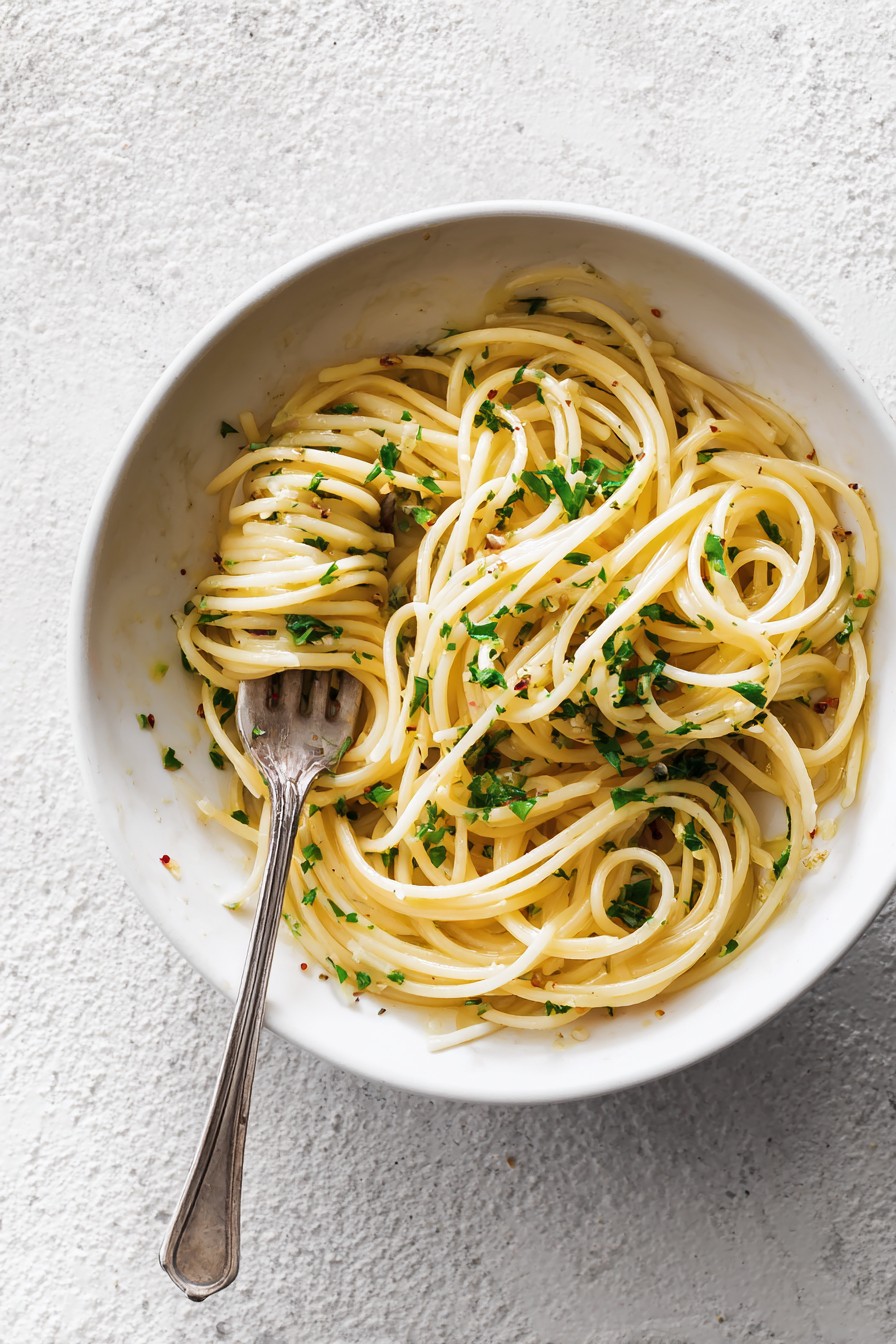
This Aglio e Olio recipe, meaning “garlic and oil,” brings incredible flavor to your table in mere minutes. Using ingredients you probably already have on hand, this simple dish is both satisfying and elegant. Experience the magic of transforming humble ingredients into a restaurant-quality meal with this quick and easy recipe.
Ingredients
- 8 ounces spaghetti
- 1/2 cup extra virgin olive oil
- 6–8 cloves garlic, thinly sliced
- 1/2 teaspoon red pepper flakes, or to taste
- 1/4 cup fresh parsley, chopped
- Grated Parmesan cheese, for serving (optional)
Instructions
- Bring a large pot of salted water to a boil. Add the spaghetti and cook according to package directions until al dente. Reserve about 1 cup of pasta water before draining.
- While the pasta cooks, heat the olive oil in a large skillet over medium-low heat. Add the garlic and red pepper flakes (if using). Cook, stirring frequently, until the garlic is fragrant and lightly golden, about 3-5 minutes. Be careful not to burn the garlic.
- Add about 1/2 cup of the reserved pasta water to the skillet. Increase the heat to medium and bring to a simmer, creating a light emulsion with the oil.
- Add the drained spaghetti to the skillet. Toss well to coat the pasta with the garlic-infused oil and pasta water. Add more pasta water if needed to create a saucy consistency.
- Remove from heat and stir in the chopped parsley. Serve immediately, topped with grated Parmesan cheese, if desired.
Notes
Nutrition
- Array