
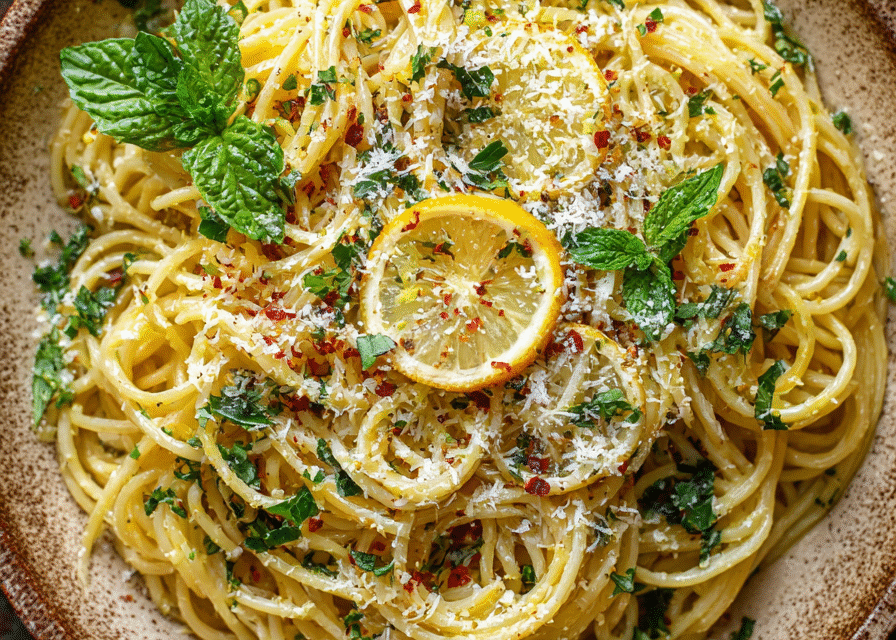
Best Lemon Pasta Recipe Ready in 20 Minutes
Simple ingredients and forgiving technique make this reliable. Just pasta, fresh lemons, butter, cream, and Parmesan come together into something far greater than the sum of their parts.
Why You’ll Love This Best Lemon Pasta Recipe
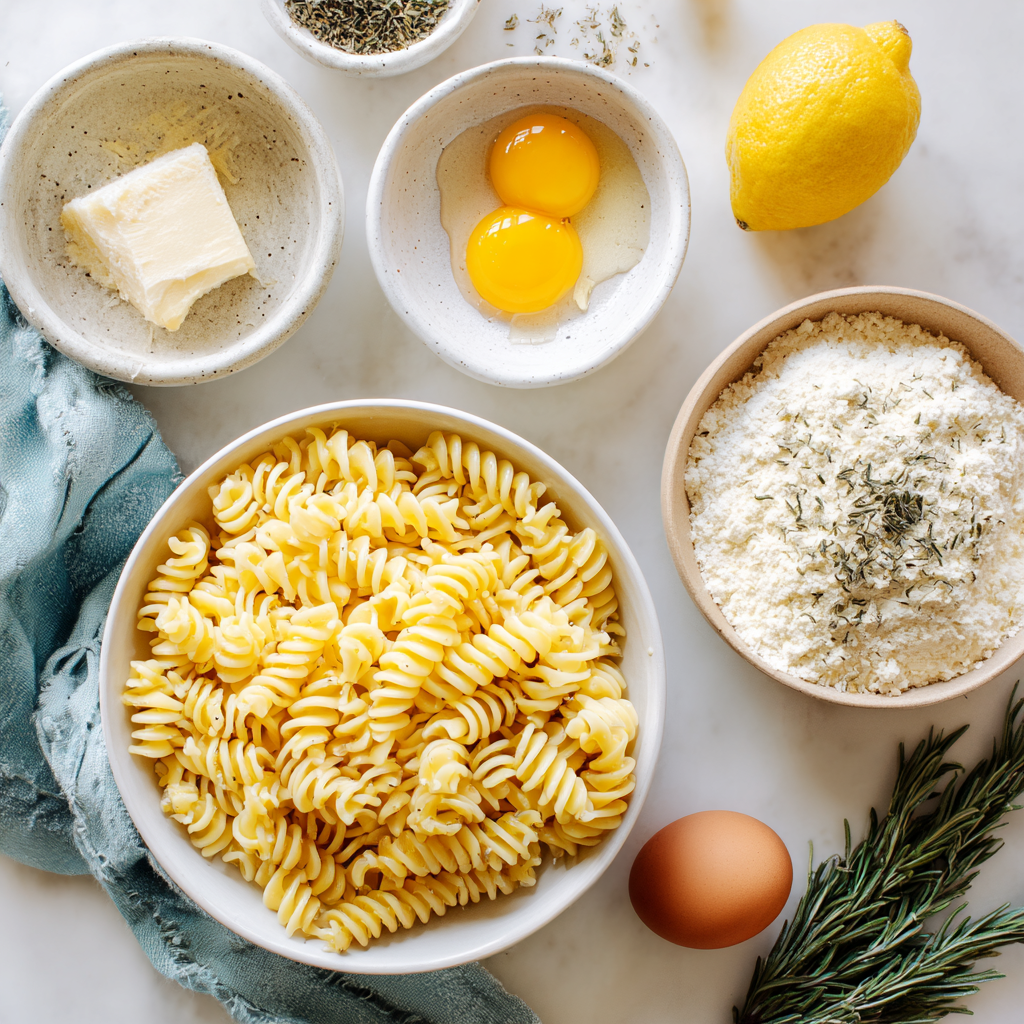
This dish works on busy weeknights but feels special enough for company. You only need one pot and one pan, and everything comes together in the time it takes to boil pasta.
The ingredient list is short, but the flavor is anything but simple. Fresh lemon zest and juice provide brightness that cuts through the richness without any heaviness.
In This Article
- Why This Best Lemon Pasta Recipe Works
- Ingredients for Lemon Pasta (With Helpful Notes)
- How to Make Creamy Lemon Pasta Step by Step
- Expert Tips for Perfect Lemon Pasta Every Time
- Common Mistakes to Avoid
- Delicious Variations and Substitutions
- How to Store and Reheat Lemon Pasta
- Frequently Asked Questions
Why This Best Lemon Pasta Recipe Works
It’s Incredibly Quick Without Sacrificing Flavor
The entire dish comes together while the pasta cooks. You prepare the sauce base as the noodles boil, and everything finishes in one pan. No complicated reductions or multiple steps slow you down.
The Sauce Uses Pasta Water as a Secret Ingredient
Starchy pasta water is the glue that holds this sauce together. When you add a splash to the butter and cream, it emulsifies everything into a smooth, glossy coating. The starch helps the sauce cling to the pasta instead of pooling at the bottom of the bowl.
This technique is backed by culinary science—the starches released during cooking act as natural emulsifiers.
Perfectly Balanced Creamy and Tangy
The cream and butter create richness, while fresh lemon juice cuts through with brightness. Neither element overpowers the other. You get a luxurious mouthfeel with a clean, refreshing finish.
Ingredients for Lemon Pasta (With Helpful Notes)
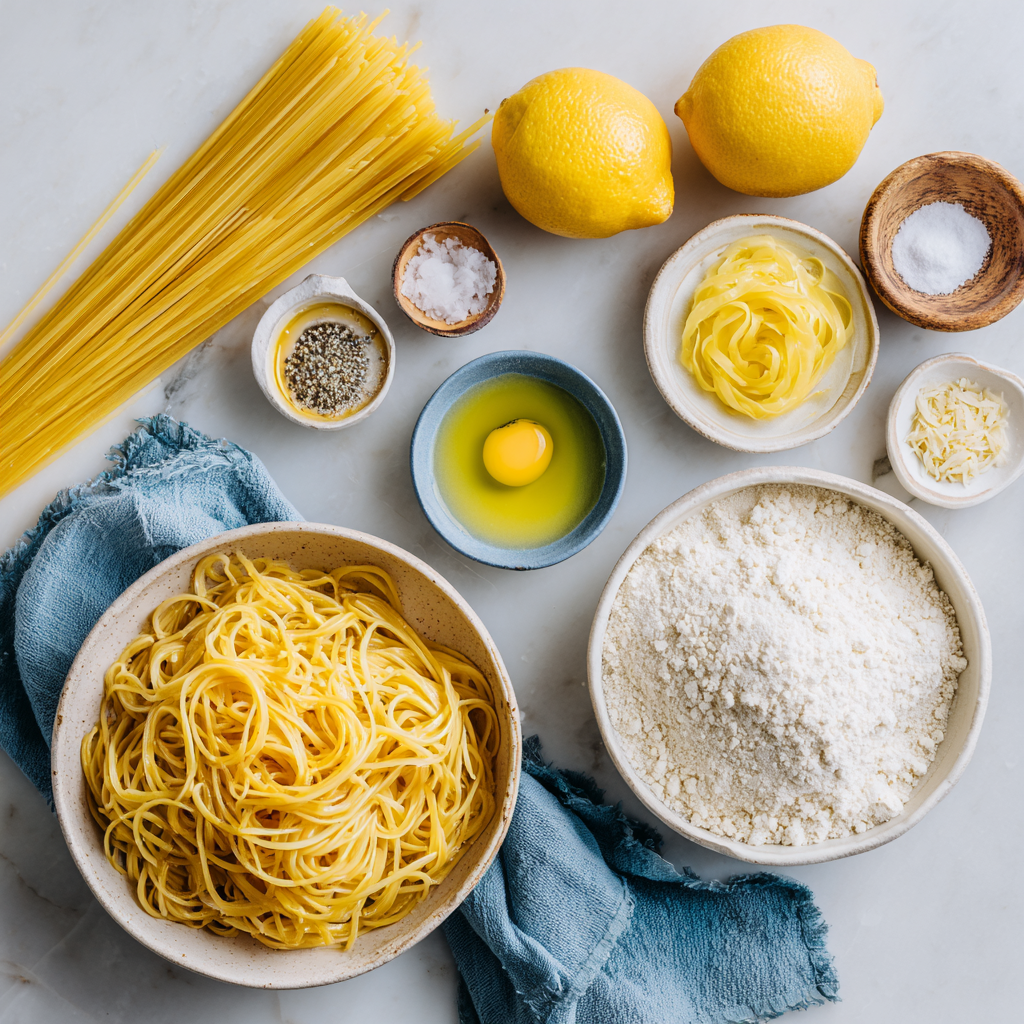
For the Pasta
12 ounces linguine or spaghetti: Long noodles work best because they twirl beautifully with the creamy sauce. Linguine is my first choice since its flat shape catches more sauce.
Salt for pasta water: Use about one tablespoon of kosher salt per pound of pasta. The water should taste like the ocean.
For the Creamy Lemon Sauce
4 tablespoons unsalted butter: European-style butter with higher fat content creates a richer, silkier sauce. Unsalted lets you control the final salt level.
1 cup heavy cream: This creates the luxurious base. Avoid milk, which breaks when combined with lemon juice.
2 large lemons: Fresh lemons are non-negotiable. Bottled juice tastes flat and bitter. Choose lemons that feel heavy for their size.
3 cloves garlic, minced: Fresh garlic adds aromatic depth without overwhelming the lemon.
1 cup freshly grated Parmesan cheese: Parmigiano-Reggiano you grate yourself melts smoothly and adds nutty, salty complexity. Pre-grated cheese contains anti-caking agents that make the sauce grainy.
Zest of 2 lemons: The yellow outer layer contains aromatic oils that add intense lemon flavor without extra acidity. Use a microplane and avoid the bitter white pith.
Optional Garnishes
Fresh basil or parsley: Torn basil leaves or chopped parsley add color and fresh herbal notes.
Red pepper flakes: A pinch of heat balances the richness and adds complexity.
How to Make Creamy Lemon Pasta Step by Step
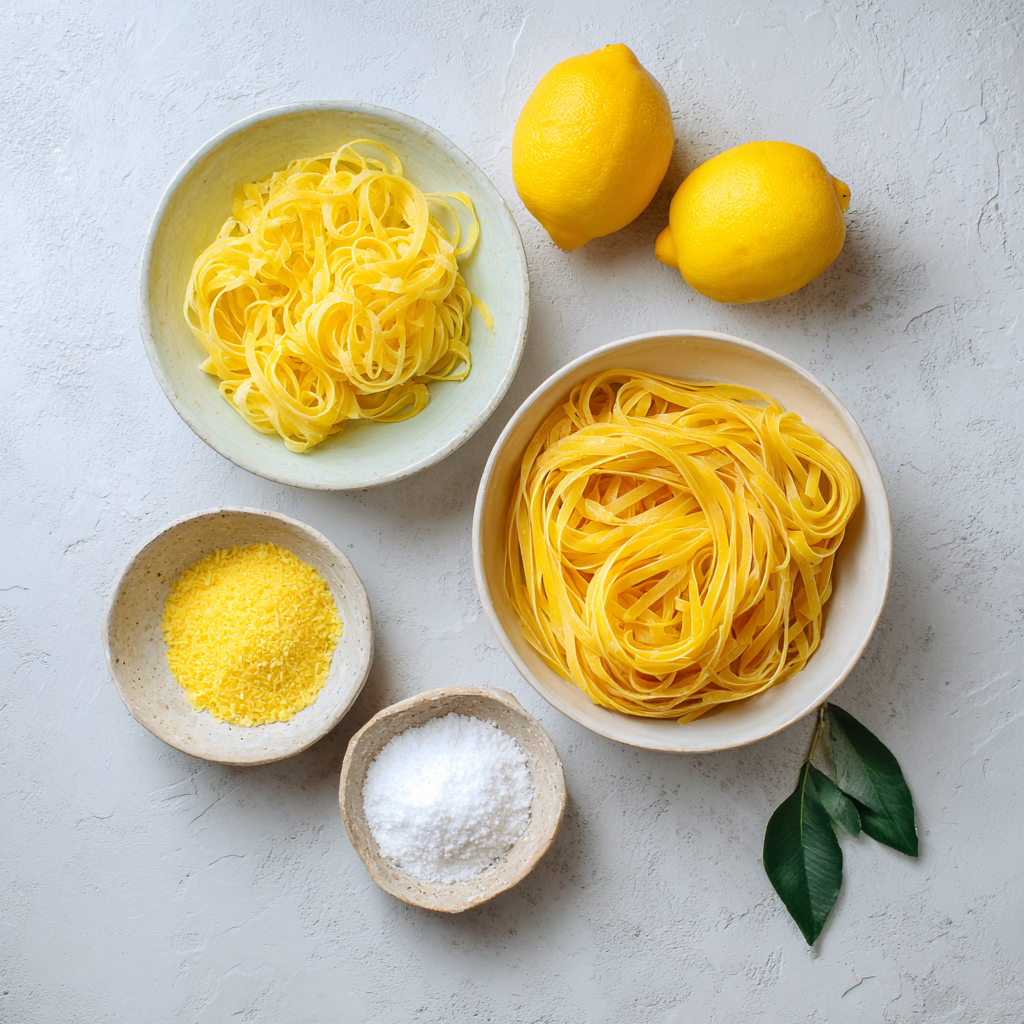
Step 1: Cook the Pasta Al Dente
Bring a large pot of water to a rolling boil. Add salt generously. Add the pasta and stir immediately to prevent sticking.
Cook according to package directions, but pull it one minute early. The pasta will finish cooking in the sauce. Before draining, scoop out at least one full cup of the starchy pasta water and set it aside.
Step 2: Prepare Your Lemon and Aromatics
While the pasta cooks, zest both lemons using a microplane. Set the zest aside. Cut the lemons in half and juice them through a strainer to catch seeds. You should get about 1/4 to 1/3 cup of fresh juice.
Mince the garlic finely. Having everything ready before you start the sauce keeps the process smooth.
Step 3: Build the Creamy Lemon Sauce Base
In a large skillet over medium heat, melt the butter. When it’s foamy, add the minced garlic and cook for about 30 seconds, just until fragrant but not browned.
Pour in the heavy cream and bring to a gentle simmer. Let it bubble gently for 2-3 minutes to thicken slightly. For a similar creamy texture with different flavors, try this White Sauce Penna Pasta.
Step 4: Combine Pasta with Sauce and Adjust Consistency
Remove the skillet from the heat. Add the lemon juice and half the lemon zest, stirring to combine.
Add the drained pasta directly to the skillet along with about 1/2 cup of the reserved pasta water. Toss everything together using tongs, lifting and turning the pasta to coat every strand.
If the sauce looks too thick, add more pasta water a few tablespoons at a time. If it’s too thin, let it sit for a minute—the pasta will continue absorbing liquid.
Step 5: Finish with Cheese and Seasoning
Still off the heat, add the grated Parmesan cheese and toss until it melts into the sauce. The residual heat is enough to melt the cheese without making it grainy.
Taste and adjust the seasoning. Add salt if needed, though the cheese and pasta water usually provide enough. Add more lemon juice for extra brightness, or stir in the remaining zest for more pronounced lemon flavor.
Serve immediately in warm bowls, topped with extra Parmesan, fresh herbs, or red pepper flakes.
Expert Tips for Perfect Lemon Pasta Every Time
Don’t Skip Reserving Pasta Water
That starchy water transforms a bowl of pasta with sauce into a cohesive dish where everything clings together. Keep at least a cup on hand, even if you don’t think you’ll need it all.
Zest Before You Juice
Once you cut into a lemon, it’s nearly impossible to zest it cleanly. Always zest the whole lemon first, then cut and juice it.
Add Lemon Juice Off the Heat
High heat and acid can cause cream to curdle and split. By removing the pan from the burner before adding lemon juice, you avoid this problem entirely.
Taste and Adjust the Balance
Lemons vary in acidity and juice content. Start with less juice than you think you need, then add more to taste. It’s easier to add brightness than to fix a dish that’s too sour.
Common Mistakes to Avoid
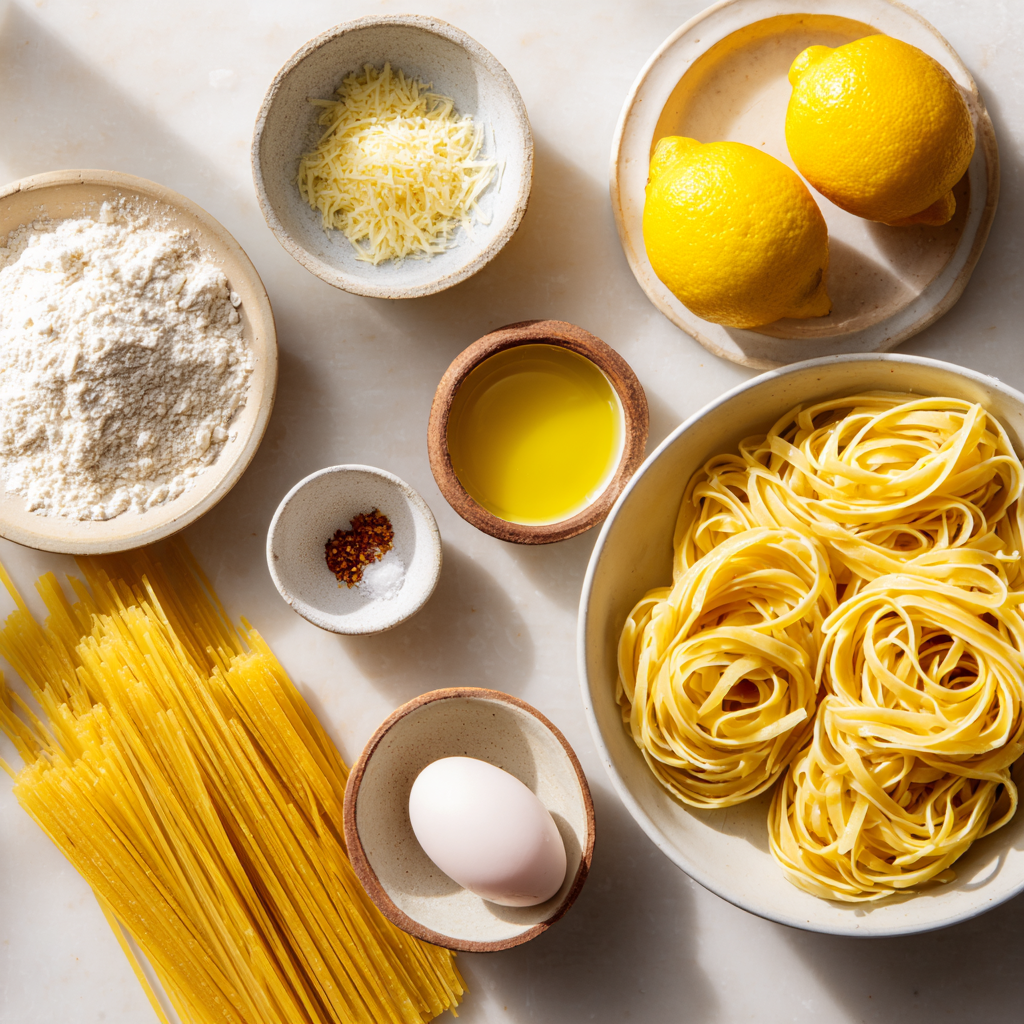
Using Pre-Grated Cheese
Bags of shredded Parmesan contain cellulose and additives that prevent clumping. Unfortunately, those same ingredients prevent smooth melting. You end up with a grainy texture instead of creamy lusciousness.
Buy a wedge of real Parmigiano-Reggiano and grate it yourself. The difference in both texture and flavor is worth the effort.
Overheating the Sauce
Once you add the cream, keep the heat at medium or lower. Boiling cream can cause it to break, and adding lemon juice to overheated cream almost guarantees curdling.
When you combine everything at the end, do it off the heat. The pasta is hot enough to warm everything through without risking a broken sauce.
Not Salting the Pasta Water Enough
Undersalted pasta tastes bland no matter how flavorful your sauce is. The water needs to be properly seasoned for the pasta to absorb that seasoning as it cooks.
Delicious Variations and Substitutions
Protein Add-ins
Grilled chicken: Slice a cooked chicken breast and lay it over the finished pasta, or dice it and toss it in.
Shrimp: Sauté shrimp in the butter before adding the cream, then proceed with the recipe. For a similar pairing, try this Shrimp Scampi Linguine Recipe.
Salmon: Flaked cooked salmon stirred in at the end adds richness and makes this a complete meal.
Vegetable Additions
Asparagus: Cut into bite-sized pieces and blanch in the pasta water during the last two minutes of cooking.
Peas: Frozen peas can go straight into the pasta water during the last minute of cooking. They add sweetness and color.
Cherry tomatoes: Halve them and toss them in raw at the end. Their brightness complements the lemon. If you enjoy tomato-based pasta, try this Pasta Alla Norma.
Spinach: Add a few handfuls of fresh spinach to the hot pasta at the very end. It wilts in seconds. For more spinach pasta inspiration, try this Spinach Artichoke Pasta.
Lighter Alternatives
For a lighter version, replace heavy cream with half-and-half. Add the dairy off the heat to prevent curdling. You can also reduce the butter to 2 tablespoons and add extra pasta water for a thinner but still flavorful sauce.
How to Store and Reheat Lemon Pasta
Store leftover lemon pasta in an airtight container in the refrigerator for up to 3 days. The sauce will thicken considerably as it sits, so you’ll need to add liquid when reheating.
To reheat, place the pasta in a skillet over low heat. Add a few tablespoons of water, milk, or cream and toss gently until the sauce loosens and the pasta warms through. You can also microwave individual portions, adding a splash of liquid and covering the bowl.
This dish doesn’t freeze well because cream-based sauces tend to separate when thawed. Make only what you’ll eat within a few days.
Frequently Asked Questions
Can I use bottled lemon juice instead of fresh?
Fresh lemon juice is strongly recommended for the best flavor. Bottled juice has a flat, slightly bitter taste that doesn’t provide the same bright quality. Since lemons are inexpensive and widely available, it’s worth using fresh.
What pasta shapes work best for this recipe?
Long pasta shapes like linguine, spaghetti, fettuccine, and angel hair work best because they twirl nicely with the creamy sauce. Short shapes like penne or rigatoni can work, but the sauce doesn’t coat them as evenly.
Why did my sauce curdle?
Curdling usually happens when lemon juice is added to cream that’s too hot. Always remove the pan from the heat before adding lemon juice. If your sauce does curdle, try whisking in a tablespoon of cold cream or blending it briefly with an immersion blender.
Make This Best Lemon Pasta Recipe Tonight
This best lemon pasta recipe proves that simple ingredients and straightforward techniques can create something truly memorable. Whether you’re cooking for yourself on a Tuesday night or serving guests on the weekend, this creamy, bright, and satisfying dish delivers every time.
The key is using fresh lemons, saving that pasta water, and tasting as you go. Once you master the basic technique, you’ll find yourself returning to this best lemon pasta recipe again and again.
Ready to get cooking? Grab your ingredients and make this restaurant-quality pasta in your own kitchen tonight.
PrintBest Lemon Pasta Recipe Ready in 20 Minutes
- Prep Time: 10
- Cook Time: 10
- Total Time: 20
- Yield: 4 servings 1x
- Category: Main Course
- Method: Stovetop, Boiling
- Cuisine: Italian
- Diet: Vegetarian
Description
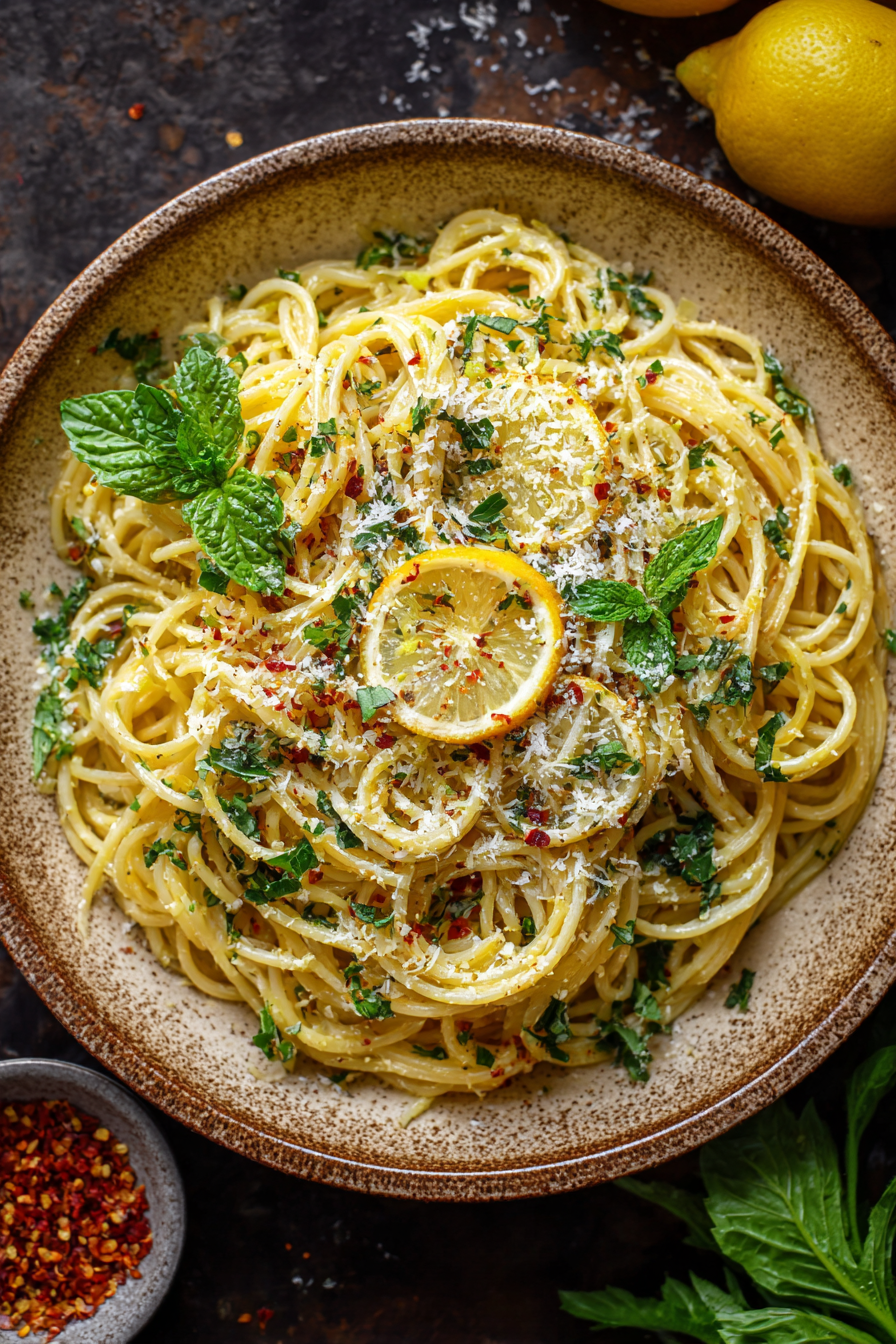
This best lemon pasta recipe delivers bright, creamy, restaurant-quality results in just 20 minutes. The silky sauce balances rich butter and cream with fresh lemon juice and zest for a dish that tastes like springtime year-round. Simple ingredients and forgiving technique make this reliable, with just pasta, fresh lemons, butter, cream, and Parmesan coming together into something far greater than the sum of their parts. If you enjoy creamy pasta dishes, you might also like this White Sauce Penna Pasta.
Ingredients
- 12 ounces linguine or spaghetti
- 1 tablespoon salt for pasta water
- 4 tablespoons unsalted butter
- 1 cup heavy cream
- 2 large lemons, zested and juiced (about 1/4 cup juice)
- 1 cup freshly grated Parmesan cheese
- 1/2 cup reserved pasta water
- 1/4 teaspoon black pepper
- Fresh parsley for garnish (optional)
Instructions
- Bring a large pot of salted water to a boil. Add the pasta and cook according to package directions until al dente, about 8-10 minutes. Reserve 1 cup of pasta water before draining.
- While the pasta cooks, zest both lemons using a microplane or fine grater, being careful to avoid the bitter white pith. Juice the lemons and set aside.
- In a large skillet over medium heat, melt the butter until it begins to foam. Add the heavy cream and stir to combine, heating for about 2 minutes until warmed through but not boiling.
- Add the lemon zest and lemon juice to the cream mixture, stirring gently. The sauce should look slightly thickened and glossy. Season with black pepper.
- Add the drained pasta directly to the skillet with the sauce. Toss gently to coat, adding reserved pasta water a few tablespoons at a time until the sauce reaches a silky consistency that coats the noodles without being watery.
- Remove from heat and stir in the grated Parmesan cheese, tossing continuously until the cheese melts and creates a smooth, creamy sauce. The residual heat will melt the cheese perfectly.
- Taste and adjust seasoning with additional salt, pepper, or lemon juice if needed. The sauce should taste bright and balanced, with the lemon cutting through the richness.
- Serve immediately, garnished with fresh parsley and extra Parmesan if desired. The pasta is best enjoyed right away while the sauce is creamy and hot.
Notes
- Use fresh lemon juice only—bottled juice lacks the brightness needed for this dish.
- Reserve extra pasta water in case you need to loosen the sauce after adding the cheese.
- Grate Parmesan fresh from a block for the best melting and flavor. Pre-grated cheese contains anti-caking agents that prevent smooth melting.
- Don’t let the cream boil or it may break and become grainy.
- Add grilled chicken, shrimp, or sautéed asparagus for a heartier meal.
Nutrition
- Array