
### In This Article:
- Why You’ll Love This Bolognese Sauce Recipe
- Essential Ingredients for Authentic Bolognese
- How to Make Bolognese Sauce: Step-by-Step
- Tips for the Best Bolognese Sauce
- Variations & Substitutions
- Storage & Reheating
- Serving Suggestions
- Frequently Asked Questions
- Ready to Make Your Bolognese Sauce?
Why You’ll Love This Bolognese Sauce Recipe
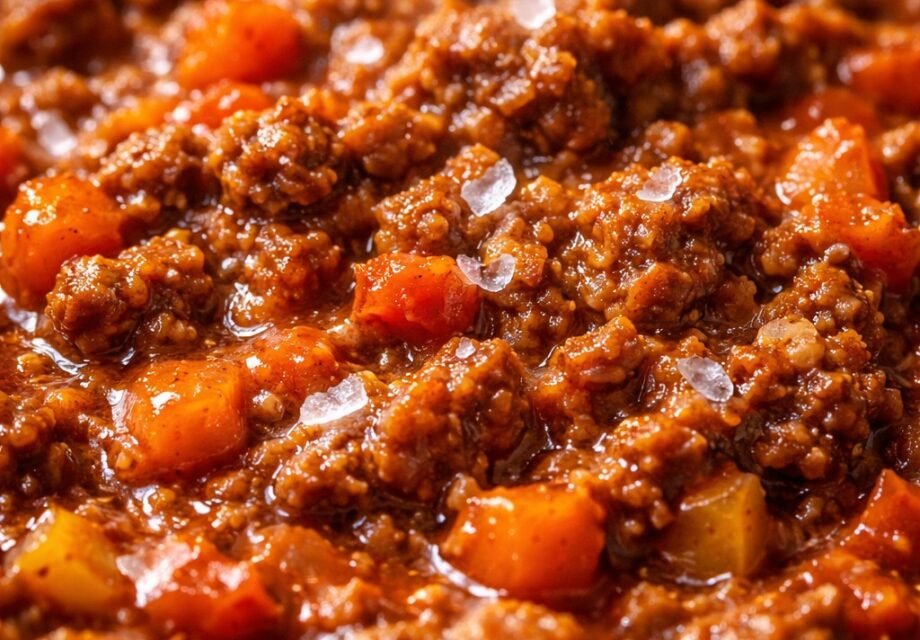
This isn’t just another meat sauce; it’s a true Bolognese, inspired by classic Italian methods that build layers of deep, complex flavor. You’ll love its unforgettable depth, authentic texture, and comforting versatility. While it takes time, the active cooking is manageable, making it perfect for a leisurely weekend feast or for preparing ahead. Its robust flavor elevates any pasta dish, lasagna, or polenta, bringing a taste of Italy right to your kitchen with every spoonful of this rich **Bolognese Sauce Recipe**.
Essential Ingredients for Authentic Bolognese Sauce Recipe
Gathering the right ingredients is key to a truly delicious Bolognese. Here’s what you’ll need, with notes on choosing the best quality.
Meats
- Ground Beef (80/20 Chuck): Crucial for incredible flavor and richness, especially for slow cooking. Avoid lean ground beef; the fat adds essential flavor and moisture.
- Ground Pork: Adds savory depth and texture that complements the beef. Finely diced pancetta or bacon can be used instead, rendered slowly to build a flavorful base.
Soffritto (Aromatic Base)
- Yellow Onion: Finely diced so it melts into the sauce. A sweet or white onion also works.
- Carrots: Finely diced; adds natural sweetness and balances richness.
- Celery: Finely diced; essential for classic aromatic profile. This trio forms the backbone of the sauce.
- Garlic: Minced; adds pungent warmth. Use fresh cloves for the best, brightest flavor.
Liquids & Tomatoes
- Dry Red Wine: Chianti, Merlot, or Pinot Noir work beautifully, providing complex depth and helping to deglaze. Avoid sweet wines.
- Whole Milk: The secret for tenderizing meat, creating a creamy mouthfeel, and reducing acidity. It cooks down almost completely, leaving subtle richness.
- Canned Crushed Tomatoes: Good quality makes a difference. San Marzano tomatoes are recommended for their balanced sweetness and low acidity. Look for plain crushed tomatoes.
- Tomato Paste: Concentrates tomato flavor, adding a deep umami note. Cooking it briefly deepens its color and taste.
- Beef Broth: Low-sodium is preferred for seasoning control. Adds body and prevents drying out during simmering.
Fats & Seasonings
- Olive Oil: Extra virgin, for sautéing the soffritto.
- Butter: Adds richness and aids in browning the meat.
- Salt & Freshly Ground Black Pepper: Season throughout, tasting as you go.
- Nutmeg: A small pinch is traditional, adding a subtle, warm aroma that complements meat and dairy. Don’t overdo it.
- Bay Leaf: Adds a gentle, earthy background note. Remember to remove before serving.
How to Make Bolognese Sauce: Step-by-Step
Making truly great Bolognese is a labor of love, with each step building flavor. Take your time and enjoy the process; it makes all the difference in achieving that rich, authentic **Bolognese Sauce Recipe**.
1. Prepare Your Soffritto
- Heat 2 tablespoons of olive oil and 1 tablespoon of butter in a large, heavy-bottomed pot or Dutch oven over medium heat.
- Add the finely diced onion, carrots, and celery. Cook gently, stirring occasionally, until the vegetables are very soft and translucent, about 8-10 minutes. This slow cooking builds the flavor base and ensures the vegetables melt into the sauce.
- Add the minced garlic and cook for another minute until fragrant, being careful not to burn it.
2. Brown the Meats
- Increase heat to medium-high. Add the ground beef and ground pork to the pot.
- Break up the meat with a wooden spoon and cook, stirring frequently, until nicely browned all over. This browning develops rich, savory depth through the Maillard reaction. Don’t rush this step.
- Drain off any excess fat if substantial, leaving just a thin layer for flavor. Season generously with salt and pepper at this stage.
3. Deglaze with Wine and Add Milk
- Pour in the dry red wine. Scrape the bottom of the pot vigorously to loosen any browned bits – these “fond” bits are packed with flavor.
- Simmer vigorously until almost completely evaporated and the strong alcohol smell is gone, about 5-7 minutes. This concentrates the wine’s flavor.
- Reduce heat to medium-low. Pour in the whole milk. Bring to a gentle simmer and let it cook until almost entirely evaporated, absorbed by the meat and vegetables. This takes about 10-15 minutes and is key for tenderizing the meat and mellowing acidity.
4. Add Tomatoes and Simmer
- Stir in the tomato paste and cook for 2-3 minutes, stirring constantly, to deepen its flavor and color.
- Add the crushed tomatoes, beef broth, bay leaf, and a pinch of nutmeg. Stir everything together gently.
- Bring the sauce to a bare simmer, then reduce heat to the lowest setting. Cover the pot, leaving the lid slightly ajar for steam to escape.
- Simmer gently for at least 2-3 hours, or up to 4 hours, stirring occasionally to prevent sticking. The longer it simmers, the more flavors meld and deepen, and the more tender the meat becomes. The sauce should be thick, rich, and deeply colored.
5. Finish and Serve
- Once simmered sufficiently, remove and discard the bay leaf.
- Taste the sauce and adjust seasoning with salt and pepper as needed. A final pinch of salt can make flavors pop.
- Serve your rich Bolognese sauce over your favorite pasta (tagliatelle or pappardelle are traditional), with a generous grating of Parmigiano-Reggiano. It’s also fantastic layered in lasagna or served over creamy polenta.
Tips for the Best Bolognese Sauce Recipe
Making a great Bolognese Sauce Recipe is about patience and attention to detail. Here are some pointers for perfection every time you make this classic **Bolognese Sauce Recipe**.
- Dice Finely and Evenly: Ensure onion, carrot, and celery are diced very small and consistently. They should cook down evenly and practically disappear into the sauce.
- Don’t Rush the Soffritto: This is the foundation of your sauce. Cook vegetables slowly until very soft and sweet to bring out their best flavor. Patience here pays off.
- Brown the Meat Well: High heat and good browning on the meat create complex, savory flavors (the Maillard reaction). Aim for good color and crispy bits on the meat.
- Quality Ingredients Matter: With relatively few ingredients, the quality of each truly shines through. Use good quality canned tomatoes, fresh vegetables, and a decent wine.
- Low and Slow is Key: Bolognese is not a quick sauce. The long, gentle simmer allows flavors to meld and meat to become incredibly tender. If the sauce becomes too thick, add a splash more broth or water.
- Taste and Adjust: Always taste your sauce before serving. You might need more salt, pepper, or even a tiny splash of milk or a pinch of sugar to balance acidity.
Variations & Substitutions
While classic Bolognese has a traditional recipe, you can adapt it to your pantry or preferences without sacrificing too much of its soul.
- Meat Options: For a richer sauce, add finely diced pancetta or bacon with the soffritto. For a lighter touch, use ground veal or a mix of beef, pork, and veal for a classic Bolognese blend. Ground lamb can also be used for a different, but still delicious, flavor profile.
- Vegetables: Some variations include finely chopped mushrooms for added earthiness and umami. A small amount of bell pepper can also be added to the soffritto for an extra layer of flavor.
- Dairy Alternatives: If you can’t use whole milk, try oat milk or a combination of broth and a tiny bit of heavy cream at the end for richness. Note that the classic tenderizing effect of dairy milk on the meat will be missed.
- Wine Substitutions: If you prefer not to use wine, deglaze with additional beef broth, or a splash of red wine vinegar and then more broth. The flavor will be slightly different, but still delicious.
- Spice: A tiny pinch of red pepper flakes can add a subtle kick if you like a little heat in your Bolognese Sauce. Add it when you cook the garlic.
Storage & Reheating
Bolognese sauce often tastes even better the next day as flavors continue to meld. It’s a fantastic make-ahead meal!
- Storing: Let the sauce cool completely before transferring to airtight containers. It will keep well in the refrigerator for 3-4 days.
- Freezing: Bolognese freezes beautifully. Portion the cooled sauce into freezer-safe containers or heavy-duty freezer bags for up to 3 months. Thaw overnight in the refrigerator before reheating.
- Reheating: Gently reheat the sauce on the stovetop over low heat, stirring occasionally. If too thick, add a splash of water, broth, or a little milk to reach your desired consistency. Avoid boiling, which can change the sauce’s texture.
Serving Suggestions
While Bolognese is famously paired with tagliatelle or pappardelle, its versatility extends to many other dishes.
- Classic Pasta Pairing: Serve over fresh tagliatelle or pappardelle, wide flat pasta noodles perfect for catching the rich sauce. Rigatoni or penne also work well. For another comforting pasta dish, try this Creamy Chicken Spinach Pasta Recipe.
- Lasagna: It’s the essential meat layer in a traditional lasagna. If you’re looking for other pasta casserole ideas, you might enjoy this Johnny Marzetti Casserole.
- Polenta: Spoon generously over creamy polenta for a comforting, rustic meal.
- Gnocchi: A hearty sauce for tender potato gnocchi.
- Baked Potatoes: A spoonful of rich Bolognese can turn a simple baked potato into a substantial, flavorful meal.
- Bread: Always serve with crusty bread to soak up every last bit of that incredible sauce. A good sourdough or Italian bread is perfect.
- Wine Pairing: A medium-bodied red wine like a Chianti, Sangiovese, or even a Merlot pairs wonderfully with the richness of the Bolognese.
Frequently Asked Questions
Got questions about making this classic sauce? Here are some common ones.
Why do you add milk to Bolognese?
Adding milk is a traditional step that helps tenderize the meat, mellows the acidity of the tomatoes, and contributes to the sauce’s characteristic creamy, velvety texture. It cooks off almost entirely, leaving behind a subtle richness and improved mouthfeel.
Can I make Bolognese ahead of time?
Absolutely! Bolognese benefits greatly from being made ahead. The flavors have more time to meld and deepen, making it taste even better the next day. Store it in the fridge for up to 3-4 days or freeze for longer storage. This makes it perfect for meal prep.
What kind of pasta is best for Bolognese?
Traditional Bolognese is typically served with wide, flat pasta like tagliatelle or pappardelle. These noodles have a larger surface area to “catch” the thick, rich meat sauce. Some also enjoy it with short, sturdy pasta shapes like rigatoni or penne, which hold the sauce well.
Ready to Make Your Bolognese Sauce?
Creating an authentic **Bolognese Sauce Recipe** at home is a rewarding experience, transforming simple ingredients into a meal that speaks volumes of comfort and tradition. While it asks for a little patience, the deep, layered flavors you’ll achieve are truly unmatched. So, gather your ingredients, take your time with each step, and get ready to enjoy a taste of Italy right in your own kitchen. It’s more than just a sauce; it’s a memory in the making. Give this **Bolognese Sauce Recipe** a try this week!
Helpful References:
- Serious Eats – The Best Ragu Bolognese Recipe
- Italy Magazine – Real Bolognese Sauce Recipe
- Easy Creamy Pea Pasta Recipe
Bolognese Sauce Recipe Recipe
- Prep Time: 10
- Cook Time: 30
- Total Time: 40
- Yield: 6–8 servings 1x
- Category: Main Course
- Method: Stovetop, Mixing
- Cuisine: Italian
- Diet: Low Lactose
Description
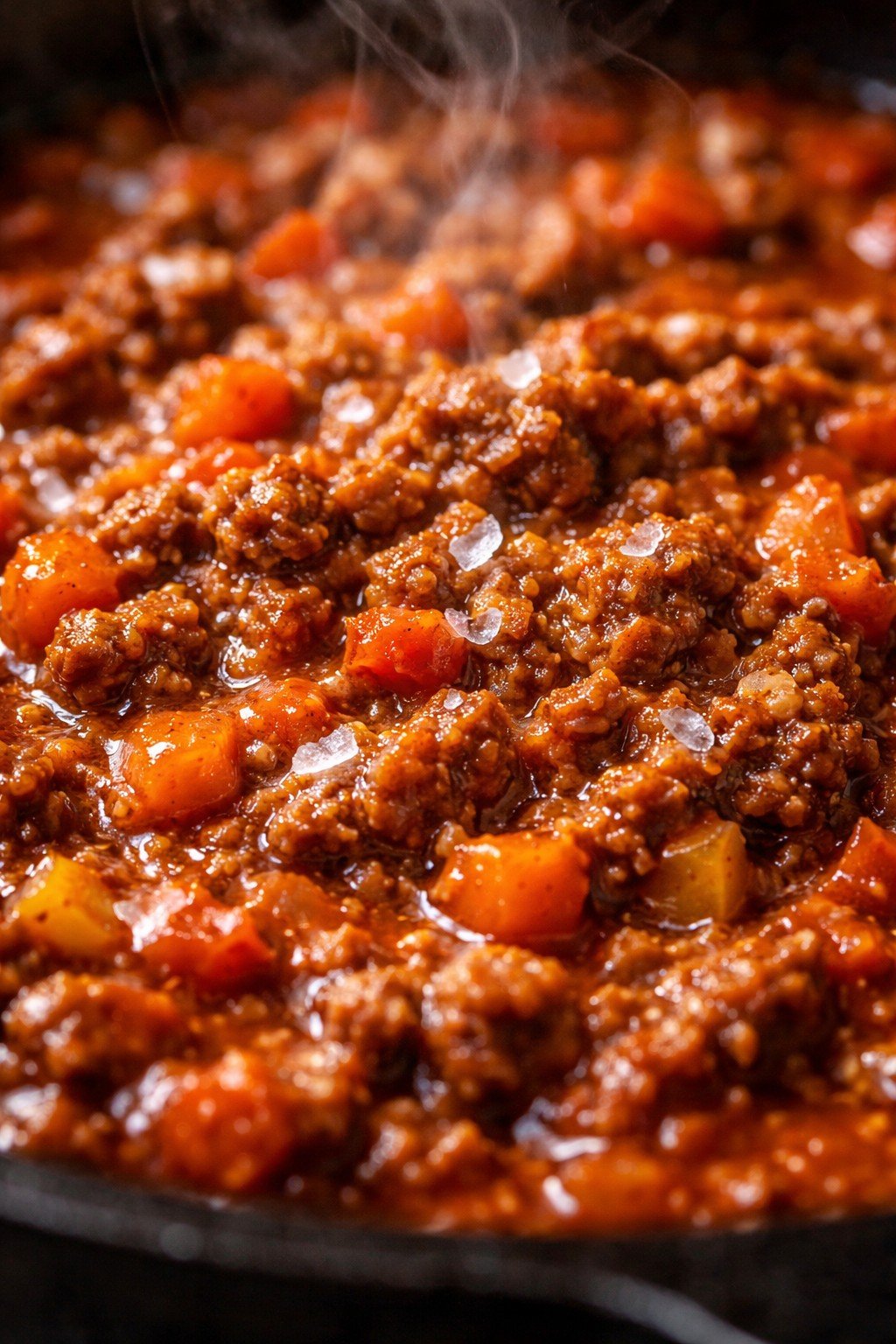
This classic Bolognese sauce offers a rich, deeply flavorful experience, perfect for elevating your favorite pasta dishes. Inspired by traditional Italian methods, it builds layers of complex taste through slow simmering. Its robust texture and comforting depth make it an unforgettable meal, ideal for a leisurely weekend or preparing ahead.
Ingredients
- 1 tablespoon olive oil
- 1 large onion, finely chopped
- 2 carrots, finely chopped
- 2 celery stalks, finely chopped
- 1 pound (450g) ground beef (80/20 chuck)
- 1 pound (450g) ground pork
- 1/2 cup (120ml) dry red wine
- 1 (28 ounce) can crushed tomatoes
- 1 cup (240ml) whole milk
- 1/4 teaspoon ground nutmeg
- Salt and freshly ground black pepper to taste
- Freshly grated Parmesan cheese, for serving
Instructions
- Heat the olive oil in a large Dutch oven or heavy-bottomed pot over medium heat. Add the chopped onion, carrots, and celery (the soffritto) and cook, stirring occasionally, until softened and lightly golden, about 8-10 minutes.
- Add the ground beef and ground pork to the pot. Break up the meat with a spoon and cook until browned, about 10-12 minutes. Drain any excess fat if necessary.
- Pour in the red wine, scraping up any browned bits from the bottom of the pot. Bring to a simmer and cook until the wine has almost completely evaporated, about 5-7 minutes.
- Stir in the crushed tomatoes, whole milk, and ground nutmeg. Season generously with salt and pepper. Bring the sauce to a gentle simmer.
- Reduce the heat to low, cover the pot, and let the sauce simmer for at least 1 hour, or up to 3 hours, stirring occasionally. The longer it simmers, the richer the flavor will be. If the sauce becomes too thick, add a little water or broth.
- Taste and adjust seasoning as needed. Serve hot over your favorite pasta, such as tagliatelle or pappardelle, with a generous sprinkle of fresh Parmesan cheese.
Notes
- For the best flavor, use good quality ground meats with a decent fat content (like 80/20 chuck for beef).
- Do not skip the milk; it helps to tenderize the meat and adds a creamy richness to the sauce.
- Bolognese tastes even better the next day, making it an excellent make-ahead meal.
Nutrition
- Array