
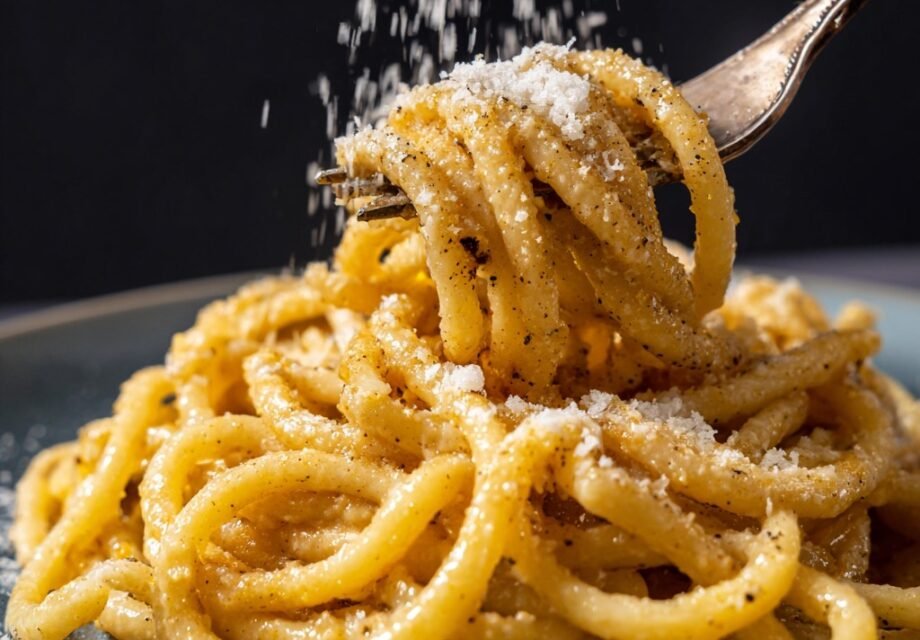
Craving a creamy, peppery, and incredibly simple pasta dish that transports you straight to Rome? This guide will show you exactly how to master the perfect **Bucatini Cacio e Pepe**, achieving that signature silky sauce with just three core ingredients. Forget clumpy cheese or broken sauces – we’ll walk you through every step to ensure a truly authentic and delicious experience.
In This Article:
- Why You’ll Love This Bucatini Cacio e Pepe
- Essential Ingredients for Bucatini Cacio e Pepe
- How to Make Bucatini Cacio e Pepe Step by Step
- Tips for a Perfect Cacio e Pepe
- Common Mistakes to Avoid
- Serving Suggestions and Wine Pairings
- Variations and Substitutions
- How to Store and Reheat Leftovers
- Bucatini Cacio e Pepe FAQ
- Conclusion
Why You’ll Love This Bucatini Cacio e Pepe
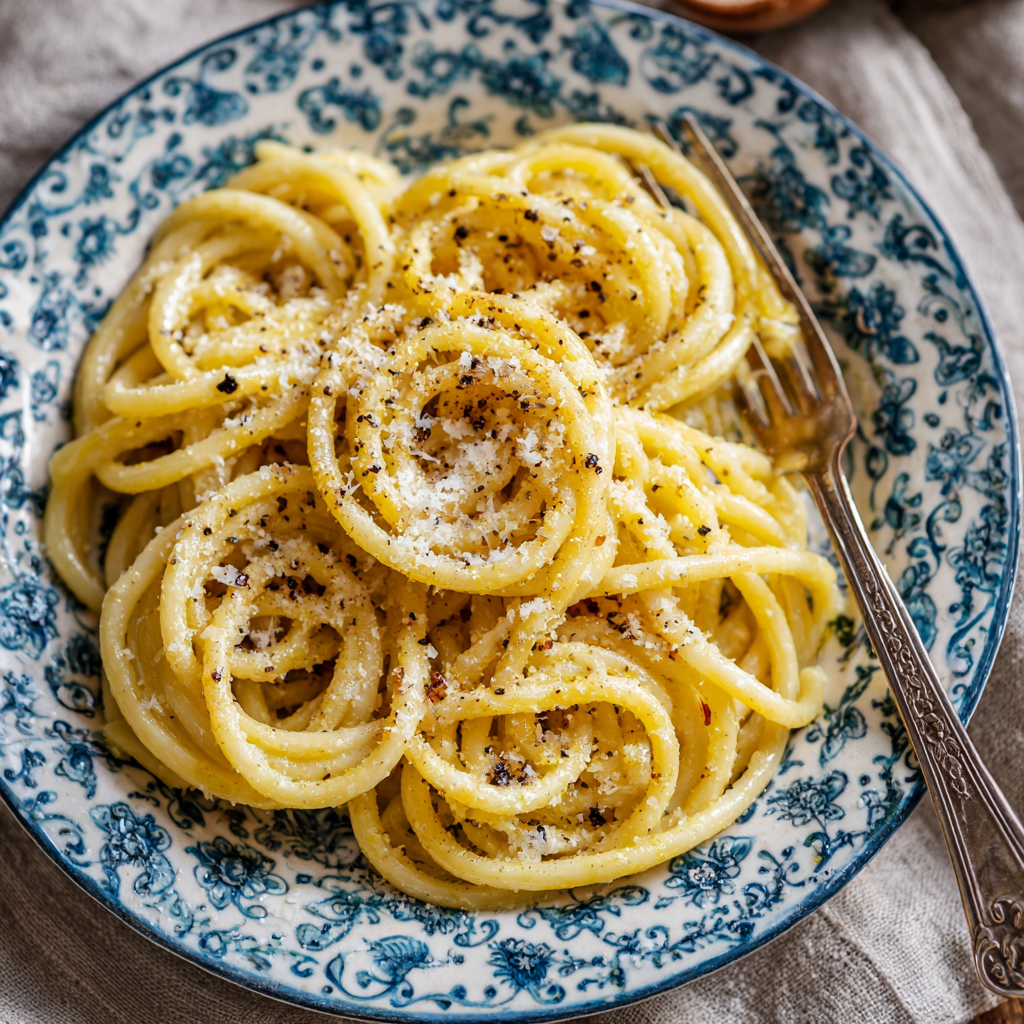
This recipe provides a foolproof method for achieving the iconic creamy, emulsified sauce without the stress. We focus on temperature control and technique, ensuring your Pecorino Romano melts into a luscious coating rather than clumping. It’s quick, satisfying, and celebrates the simplicity of Roman cooking. Mastering creamy pasta sauces is all about understanding the dance between starch and fat. This dish, with its minimal ingredients, truly highlights the quality of each component. If you love classic Italian pasta, this **Bucatini Cacio e Pepe** is an absolute must-try.
Essential Ingredients for Bucatini Cacio e Pepe
Gathering the right components is key to an authentic and delicious outcome for your **Bucatini Cacio e Pepe**. Don’t skimp on quality.
Bucatini Pasta
- **Notes:** Choose high-quality, bronze-die extruded bucatini for optimal sauce adhesion. Its hollow center perfectly captures the creamy sauce, making each bite an experience. The rougher texture of bronze-die pasta holds onto sauce much better.
Freshly Ground Black Pepper
- **Notes:** Whole black peppercorns, freshly ground and toasted, are non-negotiable for that signature pungent warmth and aroma. Pre-ground pepper lacks the same intensity and vibrant flavor.
Pecorino Romano Cheese
- **Notes:** Only use authentic Pecorino Romano, freshly grated from a block. Pre-grated cheese often contains anti-caking agents that hinder proper emulsification and can lead to a grainy sauce. This cheese is salty, sharp, and absolutely essential for the classic flavor profile.
Pasta Cooking Water
- **Notes:** This starchy, salty liquid is the secret to a silky sauce. Do not discard it! It contains starches essential for emulsification, helping the cheese and fat come together into that dreamy, smooth consistency.
How to Make Bucatini Cacio e Pepe Step by Step
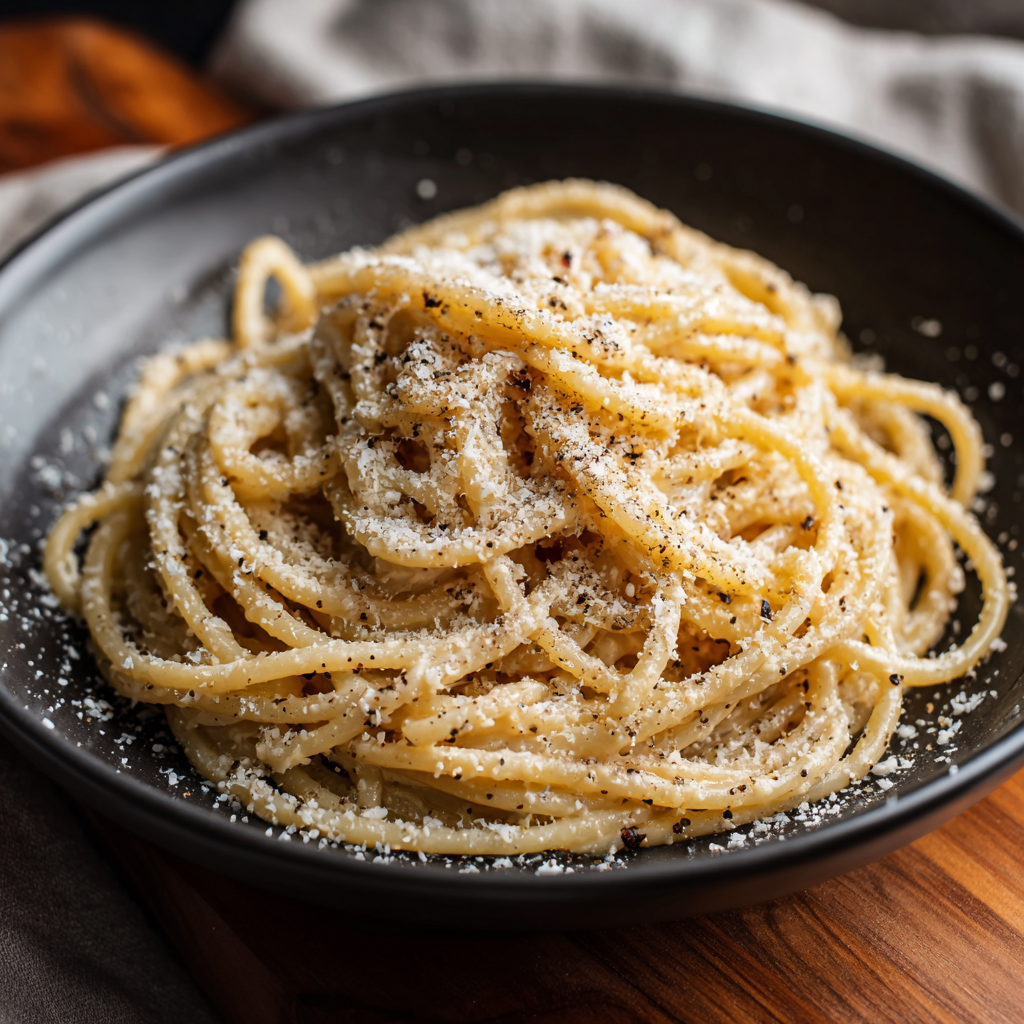
Follow these stages carefully to create a masterpiece. It’s about feeling the process and letting the ingredients shine to achieve the best **Bucatini Cacio e Pepe**.
Toast the Pepper
- **Step 1:** In a large, dry skillet (preferably non-stick or cast iron), toast freshly ground black pepper over medium heat until fragrant, about 1-2 minutes. This step unlocks so much flavor. Remove about half for garnish and set aside.
Cook the Bucatini
- **Step 2:** Bring a large pot of lightly salted water to a rolling boil. Remember, Pecorino Romano is salty, so go easy on the pasta water salt. Add the bucatini and cook according to package directions until *al dente*. Overcooked pasta won’t hold the sauce well. Reserve at least 2 cups of starchy pasta water before draining.
Create the Pecorino Paste
- **Step 3:** While the pasta cooks, finely grate your Pecorino Romano cheese. In a medium bowl, combine the grated Pecorino Romano with about 1/4 cup of the reserved hot pasta water. Stir vigorously with a fork or whisk until it forms a thick, smooth paste. This is crucial for preventing clumping later. If too thick, add a tiny bit more water, a teaspoon at a time, until spreadable.
Emulsify the Sauce
- **Step 4:** Drain the bucatini, reserving the pasta water. Immediately add the *al dente* bucatini to the skillet with the toasted pepper. Add about 1/2 cup of the reserved pasta water.
- **Step 5:** Turn the heat to low. Add the Pecorino paste to the skillet with the pasta. Using tongs, toss continuously and vigorously. The heat from the pasta and water will gently melt the cheese and create a creamy emulsion. Keep tossing, adding more pasta water a tablespoon at a time if the sauce looks too thick or clumpy, until beautifully smooth and coating the pasta. The goal is a velvety, glossy sauce.
- **Step 6:** Taste and adjust. If it needs more salt, add sparingly. If too thick, add a touch more pasta water. If too thin, a tiny sprinkle more cheese and more tossing can help thicken it slightly.
Serve Immediately
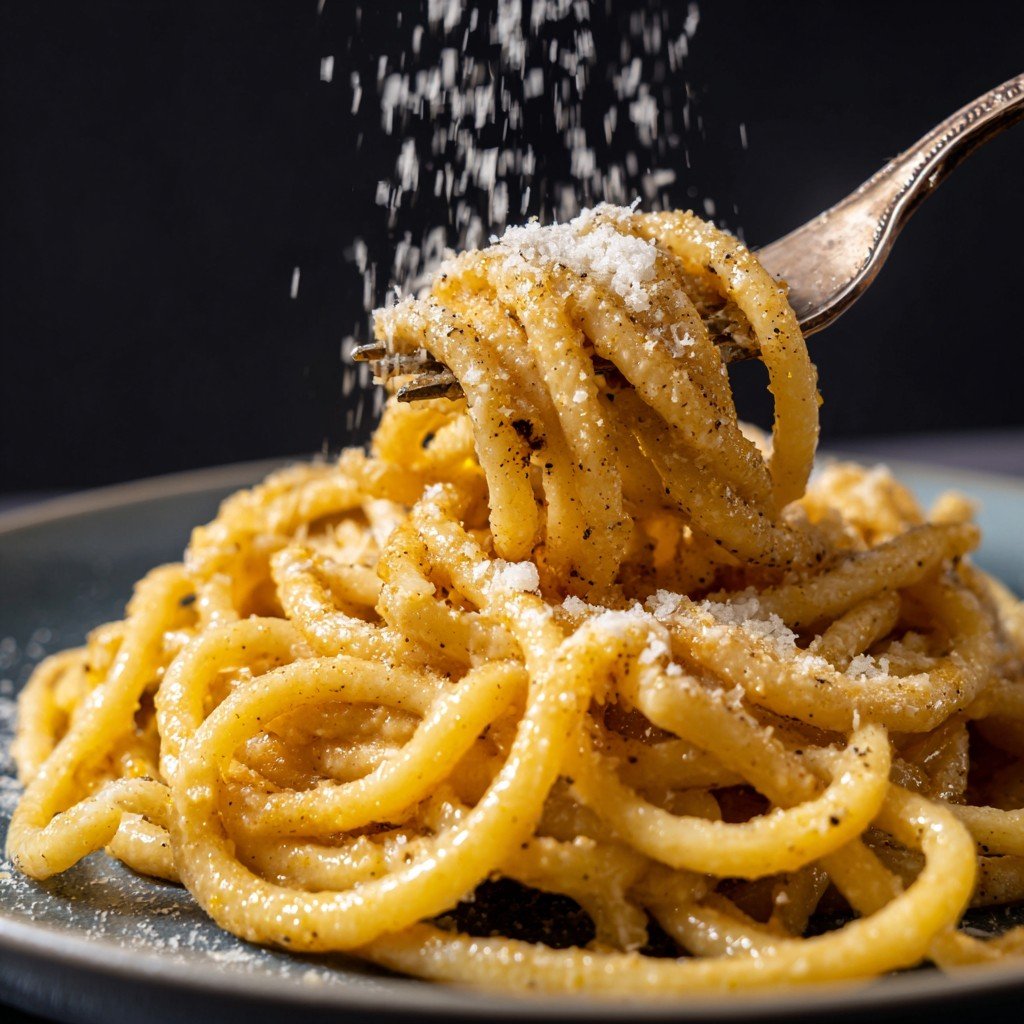
- **Step 7:** Serve the **Bucatini Cacio e Pepe** immediately in warm bowls. Garnish with the reserved toasted black pepper and an extra sprinkle of Pecorino Romano, if desired. This dish is best enjoyed right away when the sauce is at its silkiest peak.
Tips for a Perfect Cacio e Pepe
Over my years of cooking, I’ve picked up a few secrets that make all the difference, especially with a dish as deceptively simple as **Bucatini Cacio e Pepe**.
Grate Your Cheese Finely and Freshly
This is a rule for Cacio e Pepe. The finer the grate, the quicker and more evenly the Pecorino Romano will melt into that glorious sauce. Pre-grated cheese is a no-go because of anti-caking agents that make it impossible to get a smooth emulsion. Invest in a good microplane or a fine grater.
Don’t Over-Salt the Pasta Water
Pecorino Romano is naturally very salty. If you salt your pasta water too generously, your final Cacio e Pepe might be too salty to enjoy. Use just enough to season the pasta itself – about half the amount you’d typically use. You can always add salt, but you can’t take it away.
Temperature Control is Key
This is perhaps the most crucial tip. The cheese needs gentle heat to melt into a creamy sauce, not intense heat that will cause it to seize and clump.
- **Keep the pan warm, not hot:** When you add the pasta and cheese paste to the skillet, the heat should be very low or even off. The residual heat from the pasta and the starchy water is usually enough to start the emulsification.
- **Warm serving bowls:** Serve your pasta in warmed bowls. This helps keep the sauce from cooling down too quickly and seizing up.
Vigorously Toss and Stir
Emulsification requires movement. Use tongs to toss and stir the pasta continuously when you add the cheese paste and pasta water. This constant motion helps the fats, starches, and liquid come together into a stable sauce.
Use the Right Amount of Pasta Water
Start with less, and add more as needed, a tablespoon at a time. The amount of pasta water you need can vary based on your specific pasta, how much starch it released, and even the humidity in your kitchen. Trust your judgment and adjust until you get that perfect silky consistency for your **Bucatini Cacio e Pepe**.
Common Mistakes to Avoid
Even with simple recipes like **Bucatini Cacio e Pepe**, there are a few common pitfalls that can derail your dish.
Using Cold Pasta Water
Always use *hot* reserved pasta water when creating the cheese paste and emulsifying the sauce. Cold water will shock the cheese and cause it to clump instantly. Warmth is your friend here, helping everything melt smoothly.
Adding All the Cheese at Once
If you dump all the grated Pecorino directly into the hot pasta and pan, it’s very likely to melt into a stringy, clumpy mess rather than a smooth sauce. The paste method is designed specifically to prevent this, allowing it to melt gently for a perfect **Bucatini Cacio e Pepe**.
Overcooking the Pasta
**Bucatini Cacio e Pepe** relies on al dente pasta. Overcooked pasta will be too soft to hold the sauce properly, becoming mushy and losing its texture. It also releases too much starch, which can make the sauce gluey rather than silky. Cook it just to the point where it still has a pleasant chew.
Forgetting to Reserve Pasta Water
This might seem obvious, but it’s an easy mistake to make. That starchy pasta water is truly liquid gold for Cacio e Pepe. Without it, you simply won’t achieve the signature creamy, emulsified sauce. Make it a habit to scoop out at least 2 cups before draining your pasta.
Not Tossing Enough (or Too Much)
You need vigorous, continuous tossing to emulsify the sauce. However, if you toss for too long after the sauce has formed and cooled, the cheese can start to seize up again. Find that sweet spot where the sauce is beautifully integrated and then serve promptly.
Serving Suggestions and Wine Pairings
**Bucatini Cacio e Pepe** is a star on its own, but a few simple additions can round out the meal beautifully.
Simple Sides
- **Green Salad:** A crisp, lightly dressed green salad with a simple vinaigrette provides a refreshing contrast to the richness of the pasta. Think mixed greens, a few cherry tomatoes, and a light lemon-olive oil dressing.
- **Roasted Asparagus or Broccoli:** A side of perfectly roasted vegetables adds color, texture, and a healthy balance. A drizzle of olive oil, salt, and pepper is all you need.
- **Crusty Bread:** Essential for soaking up any leftover sauce on the plate. A good crusty baguette or ciabatta is perfect.
Wine Pairings
When I think about wine with Cacio e Pepe, I always lean towards something that can cut through the richness of the cheese and pepper without overpowering it.
- **Lazio White Wines:** Since this dish is from Rome, sticking to local wines is a good bet. Look for a Frascati or Est! Est!! Est!!! di Montefiascone. These are typically crisp, dry, and mineral-driven, offering a refreshing counterpoint.
- **Pecorino Wine (Yes, a wine named Pecorino!):** This Italian white wine, not to be confused with the cheese, has a lovely bright acidity and often notes of citrus and herbs that pair wonderfully with the peppery pasta.
- **Light-Bodied Red:** If you prefer red wine, a lighter, unoaked Sangiovese (like a young Chianti or Rosso di Montalcino) with its bright acidity and subtle fruit notes can work. Avoid anything too heavy or tannic.
Variations and Substitutions
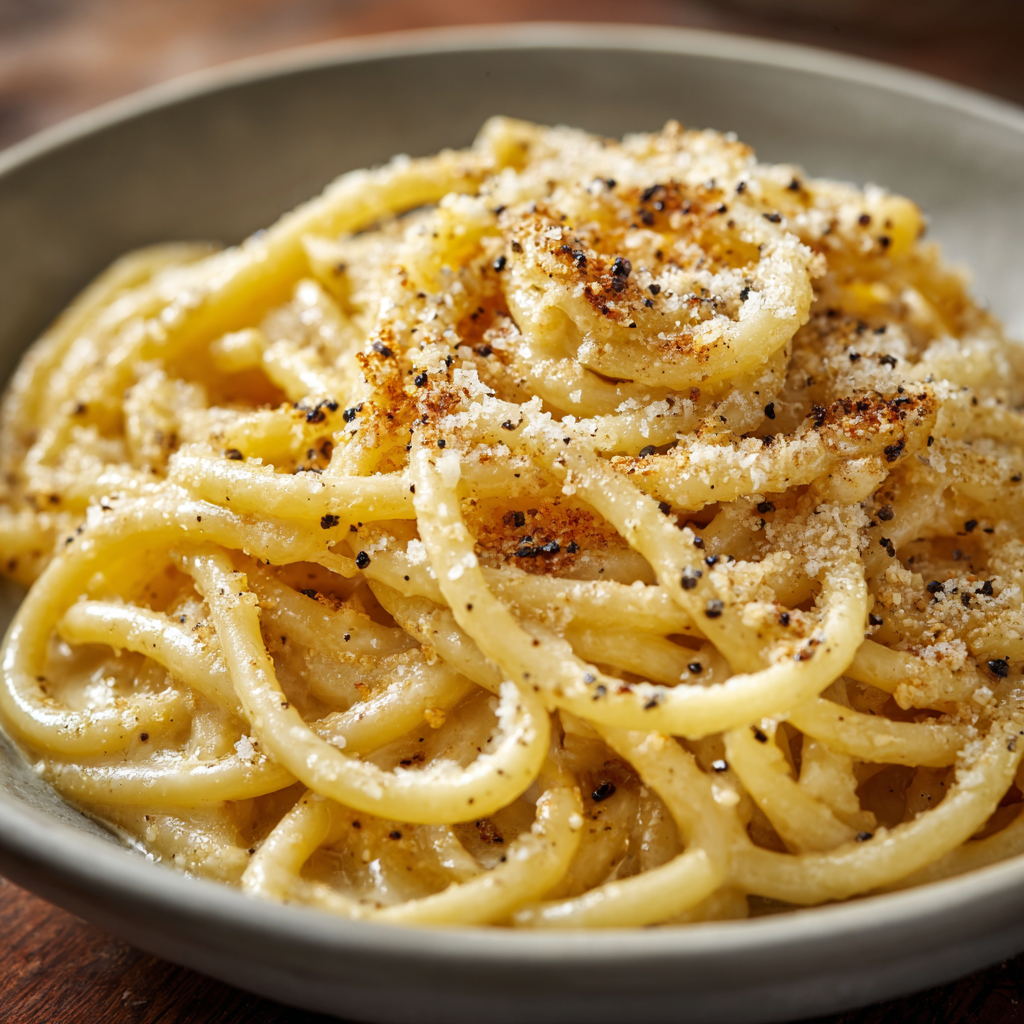
While Cacio e Pepe is celebrated for its purity, a little flexibility can open up new doors. Remember, cooking isn’t about perfection, it’s about what feels right to you.
Pasta Shapes
While bucatini is traditional and truly wonderful for its ability to capture the sauce, you can certainly use other long pasta shapes for your Cacio e Pepe.
- **Spaghetti or Tonnarelli:** These are excellent choices, offering a similar mouthfeel. Tonnarelli, with its square cross-section, holds sauce exceptionally well.
- **Rigatoni or Mezzi Rigatoni:** If you prefer a shorter, heartier pasta, these can work. The ridges and tubes grab onto the sauce beautifully. You might also enjoy my Ravioli Casserole Recipe if you’re exploring other shapes.
Adding Vegetables
For a touch of freshness or to make it a more complete meal, you can gently fold in some cooked vegetables at the very end.
- **Peas:** A handful of thawed frozen peas, warmed through, add a pop of sweetness. My Creamy Pea Pasta is another great way to use them.
- **Sautéed Zucchini or Asparagus:** Thinly sliced and lightly sautéed until just tender-crisp.
- **Spinach:** Fresh spinach wilts beautifully into the warm pasta. You could take inspiration from my Creamy Spinach Tomato Pasta for ideas.
A Touch of Acidity (Carefully!)
Some recipes include a tiny squeeze of lemon juice or a splash of white wine at the end to brighten the flavors. If you try this, use it very sparingly (a teaspoon or two) and add it just before serving. Too much acidity can curdle the cheese, so proceed with caution.
Protein Boost
While Cacio e Pepe is typically meatless, if you want to add protein:
- **Crispy Pancetta or Guanciale:** Cooked until crisp and crumbled over the top, these add incredible depth and texture. The rendered fat can even be used to toast the pepper!
- **Grilled Chicken:** Sliced grilled chicken, added at the very end, can turn this into a heartier meal, similar to how you might enjoy a Creamy Chicken Spinach Pasta Recipe.
Cheese Blend (Not Traditional, but an Option)
If Pecorino Romano is too strong for your palate, you *can* use a blend of Pecorino Romano and Parmigiano-Reggiano. However, for an authentic **Bucatini Cacio e Pepe**, I always recommend sticking to 100% Pecorino Romano. It’s what gives the dish its unique character.
How to Store and Reheat Leftovers
**Bucatini Cacio e Pepe** is truly best enjoyed immediately, straight from the pan. The beauty of the emulsified sauce is its freshness. However, sometimes there are leftovers, and with a little care, you can still enjoy them.
Storing Leftovers
- **Cool Quickly:** Let the pasta cool down to room temperature relatively quickly (within an hour) before storing.
- **Airtight Container:** Transfer any leftover Bucatini Cacio e Pepe to an airtight container. This will help prevent it from drying out and absorbing odors from your refrigerator.
- **Refrigerate Promptly:** Store in the refrigerator for up to 2-3 days. Beyond that, the quality of the sauce and pasta will significantly diminish.
Reheating Leftovers
Reheating Cacio e Pepe can be tricky because the cheese sauce can easily break or become greasy. The key is gentle, moist heat.
-
**Stovetop Method (Recommended):** This is the best way to revive your pasta.
- Add the leftover pasta to a non-stick skillet over low heat.
- Add a splash (1-2 tablespoons) of water or milk to help loosen the sauce.
- Gently toss and stir the pasta continuously with tongs, breaking up any clumps.
- Heat until just warmed through and the sauce begins to loosen again. Avoid high heat, which will cause the cheese to separate.
- If desired, stir in a tiny bit more freshly grated Pecorino Romano at the very end to help re-emulsify and refresh the flavor.
-
**Microwave Method (Use with Caution):** The microwave can work in a pinch, but it’s more likely to result in a less creamy sauce.
- Place pasta in a microwave-safe dish.
- Add 1-2 teaspoons of water or milk.
- Heat on medium power for 30-60 second intervals, stirring well between each, until warmed through.
- Be careful not to overheat.
Remember that reheated Cacio e Pepe will never be quite as perfect as fresh, but it can still be delicious with these methods.
Bucatini Cacio e Pepe FAQ
What does “Cacio e Pepe” mean?
“Cacio e Pepe” literally translates from Roman dialect to “cheese and pepper.” It’s a testament to the dish’s incredible simplicity and focus on its core ingredients.
Can I use Parmesan instead of Pecorino Romano?
For an authentic **Bucatini Cacio e Pepe**, Pecorino Romano is essential. Its sharp, salty, sheep’s milk flavor is distinct. While Parmigiano-Reggiano is a great cheese, it has a different flavor profile and fat content that won’t yield the same classic sauce consistency or taste. It’s often too mild.
Why did my Cacio e Pepe get clumpy or greasy?
This usually happens due to a few common mistakes:
- **Too much heat:** High heat can cause the cheese to seize or separate into clumps and oil.
- **Cold pasta water:** Adding cold water to the cheese paste or sauce will shock the cheese.
- **Pre-grated cheese:** Anti-caking agents prevent proper emulsification.
- **Not enough tossing/emulsification:** The vigorous motion is necessary to bring the fats, starches, and liquids together smoothly
Helpful References:
- Creamy Chicken Spinach Pasta Recipe
- Chicken Alfredo Pasta Recipes
- 3 Cheese Lemon Basil Pizza Recipe 2
Bucatini Cacio e Pepe Recipe
- Prep Time: 10
- Cook Time: 30
- Total Time: 40
- Yield: 4 servings 1x
- Category: Main Course
- Method: Stovetop, Mixing
- Cuisine: Italian
- Diet: Vegetarian
Description
Master the classic Roman dish, Bucatini Cacio e Pepe, with this foolproof recipe. It guides you to achieve a signature silky, peppery sauce using just three core ingredients. Learn the techniques for perfect emulsification, ensuring your Pecorino Romano melts into a luscious coating without clumping. If you enjoy simple, elegant pasta dishes, this is a must-try.
Ingredients
- 400 g (about 14 ounces) bucatini pasta
- 200 g (about 7 ounces) Pecorino Romano cheese, finely grated
- 1–2 tablespoons freshly cracked black pepper, to taste
- Salt, for pasta water (optional, as Pecorino is salty)
Instructions
- **Boil Pasta Water:** Fill a large pot with water and bring it to a rolling boil. If using, add a generous pinch of salt (remember Pecorino Romano is very salty, so be mindful).
- **Cook Bucatini:** Add the bucatini to the boiling water and cook according to package directions, stirring occasionally to prevent sticking. Cook until al dente, firm to the bite but not hard.
- **Prepare Pecorino and Pepper Paste:** While the pasta cooks, grate the Pecorino Romano cheese very finely. In a large bowl (large enough to hold the pasta), combine about 3/4 of the grated Pecorino with 1-2 tablespoons of freshly cracked black pepper. Slowly add a ladleful (about 1/2 cup) of the starchy pasta water to the cheese and pepper mixture, whisking vigorously to form a thick, smooth paste. You want a consistency similar to a thick béchamel sauce. Add more pasta water a tablespoon at a time if needed to reach this consistency.
- **Toast Pepper (Optional but Recommended):** In a large skillet or pan (big enough to toss the pasta), add about half of the remaining black pepper. Lightly toast over medium heat for 30-60 seconds until fragrant, being careful not to burn it. This enhances the pepper’s flavor.
- **Combine Pasta and Sauce:** Before draining, reserve at least 2 cups of the hot, starchy pasta water. Drain the bucatini, but do not rinse. Immediately transfer the drained bucatini directly into the skillet with the toasted pepper (if used), or directly into the bowl with the Pecorino paste if skipping the toasting step.
- **Emulsify the Sauce:** Pour the Pecorino and pepper paste over the pasta. Using tongs, toss the pasta vigorously and continuously, gradually adding small amounts of the reserved hot pasta water (about 1/4 to 1/2 cup at a time). The starch in the water, combined with the hot pasta and cheese, will create a creamy, emulsified sauce that coats every strand. Continue tossing and adding water until the sauce is smooth, glossy, and adheres beautifully to the pasta. It should be creamy, not watery or clumpy.
- **Serve Immediately:** Once the sauce is perfectly emulsified, divide the Bucatini Cacio e Pepe among warmed serving plates. Garnish with the remaining grated Pecorino Romano cheese and an extra sprinkle of freshly cracked black pepper, if desired. Serve hot and enjoy immediately.
Notes
- Use high-quality, bronze-die extruded bucatini for optimal sauce adhesion.
- Freshly grate your Pecorino Romano from a block for the best flavor and texture; pre-grated cheese often contains anti-caking agents that can hinder emulsification.
- Freshly cracked black pepper is essential; pre-ground pepper will not deliver the same vibrant, pungent flavor.
- The key to a silky sauce is temperature control and continuous tossing to emulsify the cheese, pepper, and starchy pasta water.
Nutrition
- Array