Description
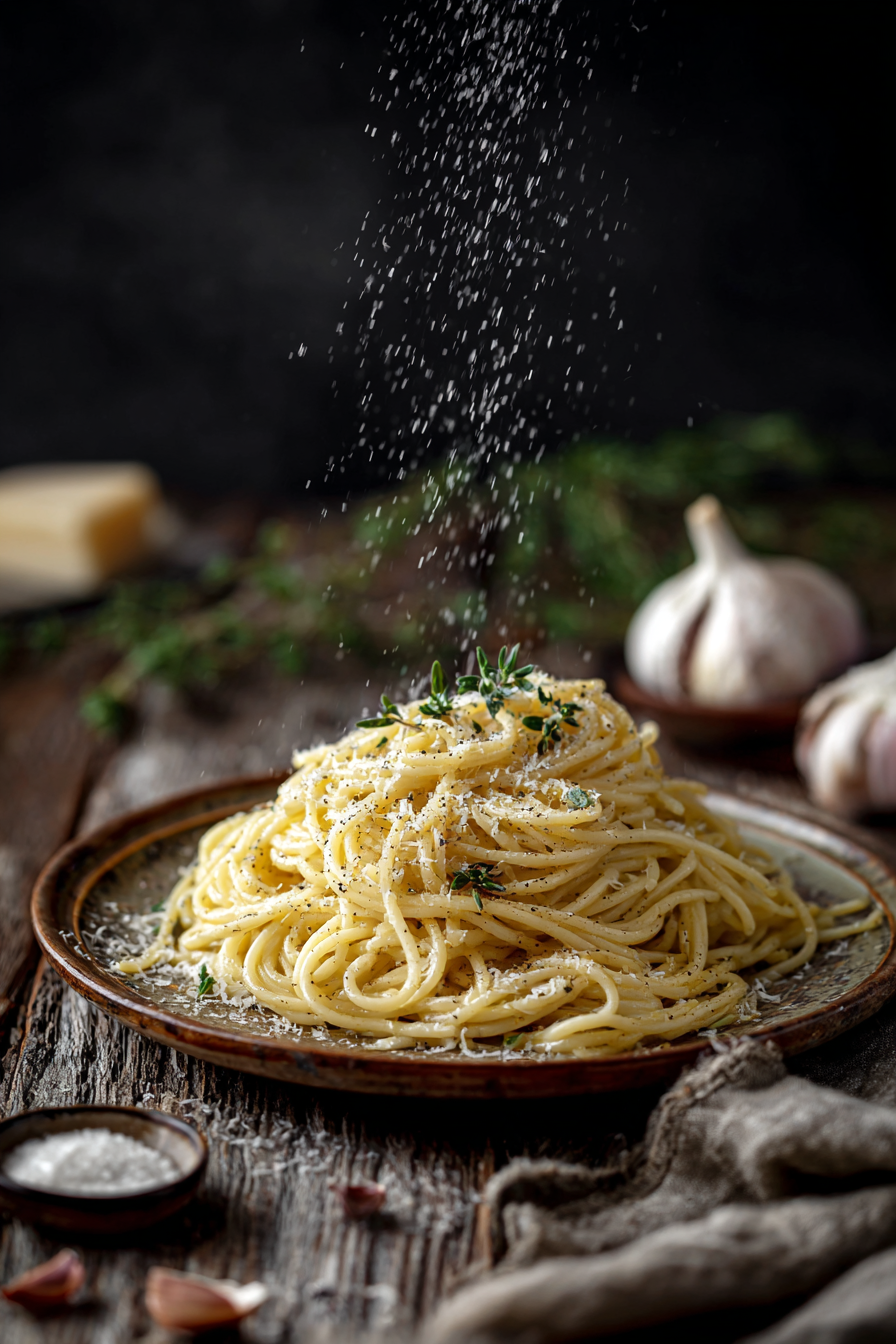
This Cacio e Pepe recipe delivers the classic Roman pasta dish in just 15 minutes using Parmesan instead of traditional Pecorino Romano. The secret lies in timing, temperature control, and using starchy pasta water to create a silky, emulsified sauce that clings to every strand. You’ll get that signature creamy, peppery flavor without hunting for specialty cheese. If you enjoy simple, flavorful pasta dishes, you might also like this Best Lemon Pasta Recipe.
Ingredients
- 12 oz spaghetti or tonnarelli
- 2 tablespoons whole black peppercorns
- 2 cups finely grated Parmigiano-Reggiano cheese (about 6 oz)
- 2 tablespoons unsalted butter (optional, for extra richness)
- Salt for pasta water
Instructions
- Bring a large pot of salted water to a rolling boil. Add the pasta and cook according to package directions until al dente, usually 8-10 minutes. Reserve 2 cups of the starchy pasta water before draining.
- While the pasta cooks, toast the whole black peppercorns in a dry skillet over medium heat for 2-3 minutes until fragrant and lightly smoking. Coarsely crack them using a mortar and pestle or the bottom of a heavy pan.
- In a large mixing bowl or the empty pasta pot, combine the cracked pepper with about 1/2 cup of the reserved pasta water. Let it sit for a minute to bloom the pepper flavor.
- Add the finely grated Parmesan to the bowl and stir vigorously with a wooden spoon or whisk, adding more pasta water a few tablespoons at a time until you have a smooth, creamy sauce the consistency of heavy cream. The mixture should look glossy, not clumpy.
- Transfer the drained pasta directly to the cheese mixture while still steaming hot. Toss constantly and energetically for 1-2 minutes, adding more pasta water as needed to keep the sauce loose and creamy. The residual heat and motion will create a silky emulsion that coats each strand.
- If using butter, add it now and toss until melted and incorporated. The sauce should cling to the pasta without pooling at the bottom of the bowl.
- Serve immediately in warmed bowls, topping each portion with extra grated Parmesan and a generous grind of fresh black pepper.
Notes
- Use the finest grater you have for the Parmesan—a Microplane works best. Pre-shredded cheese contains anti-caking agents that prevent proper emulsification.
- Temperature is critical: the pasta should be steaming hot when it hits the cheese mixture, but the bowl should not be over direct heat or the cheese will seize and turn grainy.
- If the sauce becomes too thick or clumpy, add pasta water one tablespoon at a time while tossing vigorously to bring it back together.
- Leftover pasta water is your best friend here—it contains the starches that make the sauce work, so reserve more than you think you’ll need.
- This dish is best served immediately as the sauce tightens as it cools. Have your diners ready at the table before you start the final toss.
Nutrition
- Array