
In This Article
- Why You’ll Love This Healthy Beef Pasta
- What Makes This Healthy Ground Beef Pasta So Good
- Ingredients You’ll Need (and Smart Swaps)
- Step-by-Step: How to Make This Healthy Beef Pasta
- Pro Tips & Common Mistakes to Avoid
- Easy Variations & Substitutions
- Storing, Freezing, and Reheating
- Quick FAQ
- Final Thoughts & How to Use This Recipe
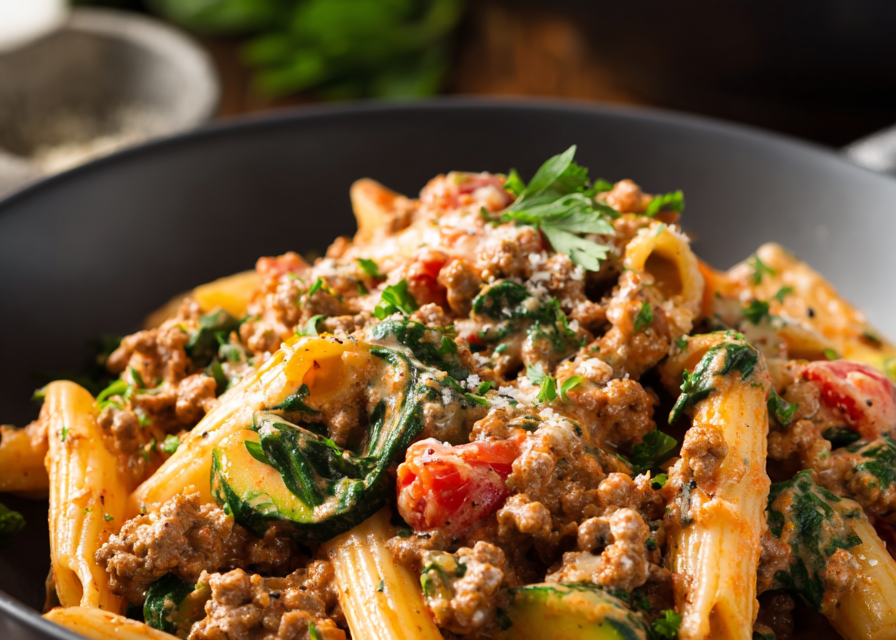
This recipe makes 4 hearty servings, each around 450–550 calories (depending on your pasta and cheese) with roughly 30–35g of protein. Prep and cook are done in about 30 minutes, so it fits busy evenings or a quick Sunday meal prep session.
Why You’ll Love This Healthy Beef Pasta
- Truly weeknight-friendly: On the table in about 30 minutes with simple steps and minimal chopping.
- Family-approved flavor: Tastes like classic beefy tomato pasta, just lighter and full of veggies.
- High protein and fiber: Lean ground beef plus whole wheat or high-protein pasta keep you satisfied.
- Flexible: Swap in whatever vegetables and pasta shape you have on hand.
- Great for meal prep: Reheats well and keeps its texture for easy lunches.
Why This Healthy Beef Pasta Works
Balanced for Nutrition and Flavor
This healthy beef pasta is light enough for regular weeknights, yet still cozy and satisfying. for regular rotation yet still cozy. The balance comes from three things working together:
- Lean protein: 90–96% lean ground beef keeps saturated fat in check while giving you plenty of protein.
- Smart carbs: Whole wheat or high-protein pasta adds fiber and helps you stay full longer than regular white pasta alone.
- Veggie load: Onion, garlic, and a generous amount of colorful vegetables add bulk and micronutrients without many extra calories.
The sauce is tomato-based and light, with the option to add just enough cheese or Greek yogurt for creaminess instead of heavy cream.
Weeknight-Friendly and Easy Clean-Up
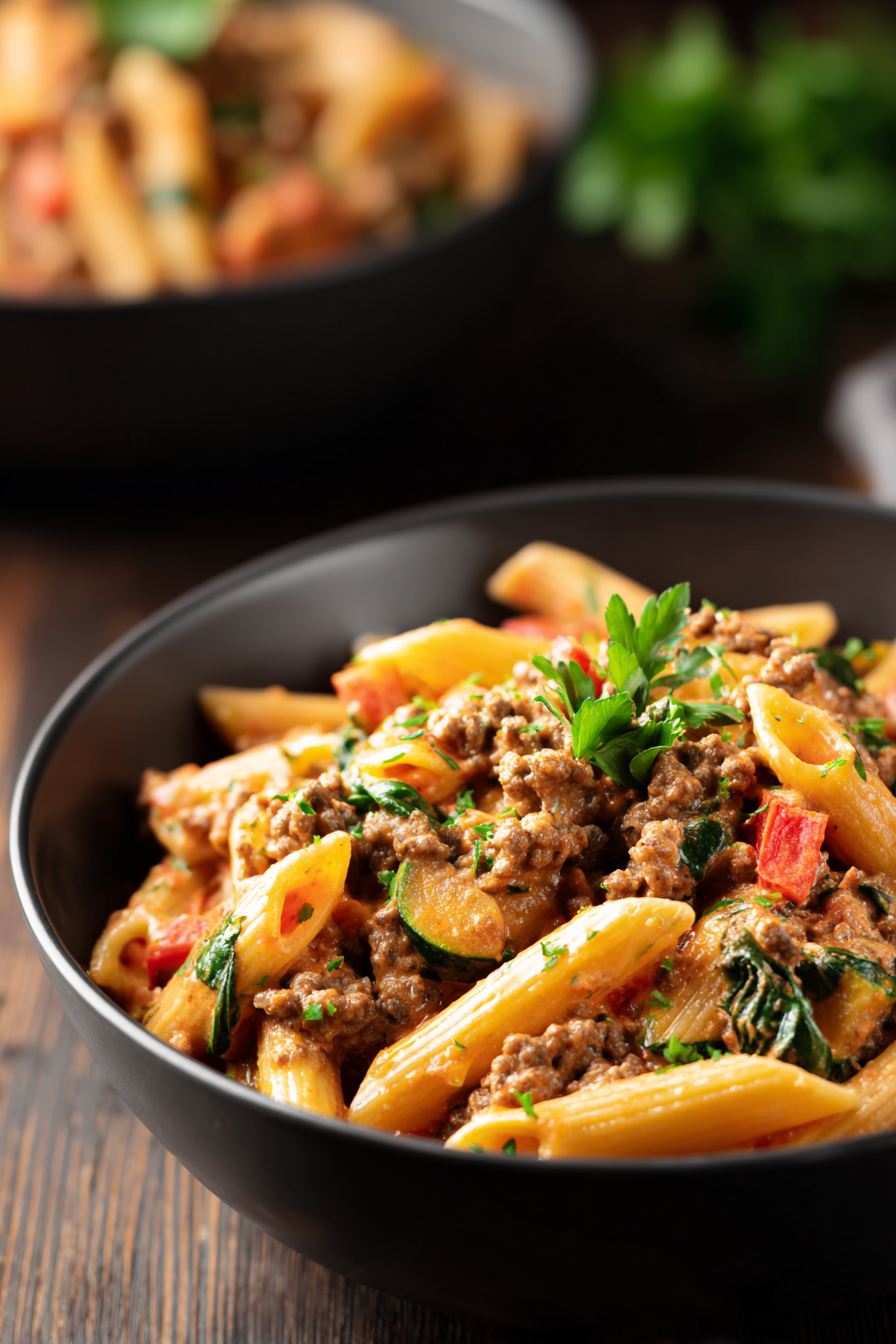
The method is straightforward: brown beef, sauté vegetables, add tomatoes and seasoning, then toss with pasta. Most of the cooking happens in a single skillet, plus one pot for the pasta.
If you want even less clean-up, you can turn it into a one-pot meal (more on that in the tips section), but cooking the pasta separately gives you better control over texture.
There’s minimal chopping—an onion, some garlic, and whatever vegetables you choose. Everything else is pantry-friendly: canned tomatoes, dried herbs, pasta, and broth or water.
How This Healthy Beef Pasta Stays Lighter
This healthy beef pasta uses lean ground beef, vegetables, and a lighter sauce for a balanced dinner. is usually the very next word they type. This recipe leans into that by:
- Using 90–96% lean ground beef to cut down on excess fat.
- Relying on tomatoes, herbs, and umami from Parmesan instead of butter or heavy cream for flavor.
- Keeping portions generous on sauce and vegetables, not just pasta alone.
You end up with a bowl that feels full and satisfying, but it stays closer to what you want for an everyday dinner—similar in spirit to lighter dishes like Creamy Lemon Ricotta Pasta, just with beef and more protein.
Healthy Beef Pasta Ingredients
This is a flexible recipe. Here’s the base that works well, plus options so you can use what’s already in your kitchen.
Core Ingredients
Lean Ground Beef (Key for High Protein Healthy Pasta)
- Amount: 450 g / 1 lb lean ground beef.
- Best choice: 90–96% lean. This keeps the dish lighter but still juicy.
- If using less-lean beef (80–85%): Brown it fully, then drain off most of the rendered fat before adding the vegetables. Leave just 1–2 teaspoons in the pan for flavor.
Leaner beef means you control the fat by adding a measured splash of olive oil instead of relying on whatever melts out of the meat.
Pasta
- Amount: 300 g / about 10–11 oz dry pasta (about 4 generous servings).
- Shape: Short pasta holds the sauce best—penne, rotini, fusilli, shells, or rigatoni all work.
- Whole wheat: Great for extra fiber. It can be a little firmer; cook it just to al dente so it doesn’t go mushy when tossed in the sauce.
- High-protein pasta: Lentil or chickpea pasta bumps the protein even more. Taste and texture are slightly different—more earthy and a bit denser—but they work well here because the tomato-beef sauce is bold.
- Gluten-free: Brown rice, corn, or legume-based pasta are all fine. Check the package and lean toward the lower end of the cooking time to avoid overcooking.
Vegetables
- Onion: 1 medium, finely chopped. Yellow or white both work.
- Garlic: 3–4 cloves, minced. Adjust to your taste.
- Bell pepper: 1 medium, diced (any color).
- Zucchini or mushrooms: About 1–1 ½ cups chopped. Mushrooms add a meaty, umami depth; zucchini adds bulk and sweetness.
- Optional greens: A few handfuls of baby spinach or chopped kale stirred in at the end. They wilt quickly and give you color and nutrients.
If you’re short on fresh veg, frozen mixed vegetables can work. Add them after the beef browns, and cook off any extra moisture before adding tomatoes.
Sauce Components
Tomato Base
- Crushed tomatoes: 1 can (400 g / 14–15 oz). Crushed tomatoes give a rustic, slightly chunky sauce.
- Tomato sauce or passata: Also good if you prefer a smoother texture. If using plain tomato sauce, check salt and adjust seasoning.
- Tomato paste: 1–2 tablespoons. This deepens the tomato flavor without extra fat.
- Low-sodium: Choose low-sodium canned tomatoes when you can so you control the salt.
Seasonings
- Italian seasoning: 1–2 teaspoons (a mix of dried oregano, basil, thyme, rosemary, etc.).
- Dried oregano or basil: Extra pinch if you like a stronger herb note.
- Red pepper flakes: ¼–½ teaspoon, optional, for gentle heat.
- Salt and black pepper: Season the beef, then adjust after the sauce has simmered. Remember cheese will add salt too.
If you love tomato-based sauces, this seasoning profile is similar to my simple Marinara Sauce Recipe, but made heartier with beef and vegetables.
Protein-Boosting & Creaminess Options
- Part-skim mozzarella: ½–1 cup shredded, for melting into the pasta at the end.
- Parmesan: ¼–⅓ cup finely grated, stirred in or used as a topping.
- Cottage cheese: ½ cup, blended smooth if you prefer, can be stirred in off the heat for protein and light creaminess.
- Plain Greek yogurt (2% or fat-free): ⅓–½ cup, stirred in off the heat. Adds tang, creaminess, and extra protein without heavy cream.
To avoid curdling Greek yogurt: Let the pan cool for a minute off the heat, then whisk the yogurt with a spoonful of hot sauce in a small bowl. Stir that mixture back into the skillet gently.
Healthy Fats and Liquids
- Olive oil: 1–2 tablespoons, just enough to sauté the onion and help brown the beef if it’s very lean.
- Low-sodium beef or chicken broth: ½–¾ cup, to loosen the sauce and help it cling to the pasta.
- Pasta cooking water: Reserved, starchy and salty, perfect for adjusting sauce consistency.
- Acid (optional but recommended): 1–2 teaspoons balsamic vinegar or red wine vinegar at the end wakes up the tomato flavor.
Garnishes and Serving Extras
- Fresh basil or parsley: Roughly chopped and scattered on top for freshness.
- Extra Parmesan: Keep it to a tablespoon or so per serving for flavor without overdoing it.
- Chili flakes or lemon zest: For finish—chili for heat, lemon zest for a bright, clean edge.
How to Make Healthy Beef Pasta Step by Step
Ingredient Overview (for 4 servings)
You’ll need:
- 300 g (10–11 oz) whole wheat or high-protein short pasta
- 1 lb (450 g) lean ground beef (90–96%)
- 1 medium onion, finely chopped
- 3–4 cloves garlic, minced
- 1 bell pepper, diced
- 1–1 ½ cups sliced mushrooms or diced zucchini (or a mix)
- 1 can (14–15 oz / 400 g) crushed tomatoes or tomato passata
- 1–2 tbsp tomato paste
- ½–¾ cup low-sodium broth (or water)
- 1–2 tsp Italian seasoning
- ¼–½ tsp red pepper flakes (optional)
- 1–2 tbsp olive oil (less if beef isn’t very lean)
- Salt and black pepper to taste
- ½–1 cup part-skim mozzarella (optional)
- ¼–⅓ cup grated Parmesan (plus more for serving)
- ⅓–½ cup plain Greek yogurt or ½ cup cottage cheese (optional)
- Fresh basil or parsley to finish
Step 1: Cook the Pasta to Just Al Dente
Bring a large pot of water to a rolling boil. When it’s boiling well, add salt—about 1–1½ tablespoons of kosher salt for 4–5 liters/quarts of water. The water should taste pleasantly salty, like the sea. This is your main chance to season the pasta itself.
Add the pasta and give it a good stir to keep it from sticking. Cook according to package directions, but start checking 1–2 minutes before the earliest time. Whole wheat and high-protein pastas can go from firm to mushy quickly, so watch closely.
You want the pasta just al dente: tender but with a chewy center. It will finish cooking briefly in the sauce, and that last minute in the pan is what helps it absorb flavor.
Before draining, scoop out about 1 cup of the starchy pasta water and set it aside. Drain the pasta and keep it nearby while you finish the sauce.
Step 2: Brown the Lean Ground Beef
While the water is heating and the pasta cooks, start the sauce.
Heat a large, deep skillet or sauté pan over medium-high heat. Add 1 tablespoon of olive oil. When the oil looks shimmery and flows easily, add the ground beef.
- Break it up right away with a wooden spoon or spatula into small, even crumbles.
- Season with a pinch of salt and black pepper.
- Let it sit undisturbed for 1–2 minutes so it actually browns on one side before stirring. This browning adds flavor.
Continue cooking, stirring occasionally, until the beef is nicely browned and no pink remains, about 5–7 minutes.
If you used beef that’s less lean, you’ll see more fat in the pan. Tilt the pan carefully and spoon or pour off most of the excess, leaving just a thin layer to cook the vegetables in.
Step 3: Sauté the Vegetables
Push the beef to one side of the pan. If the pan looks dry, add another teaspoon or so of olive oil.
- Add the chopped onion and a pinch of salt. Cook 3–4 minutes, stirring occasionally, until softened and translucent.
- Add the bell pepper and mushrooms or zucchini. Sauté until they soften and any moisture from the mushrooms cooks off, another 4–5 minutes.
- Make a small space in the center of the pan and add the minced garlic. Cook about 30 seconds, just until fragrant, then stir it through the vegetables and beef.
You want the vegetables to lose their raw bite but not completely collapse. They should still have a bit of texture; that makes each bite more interesting and helps the dish feel hearty.
Step 4: Build the Tomato Sauce
Once your vegetables are softened and the beef is cooked through:
- Stir in the tomato paste and cook for 1–2 minutes. You’re frying the paste slightly, which deepens its flavor and takes away any harsh raw taste.
- Pour in the crushed tomatoes (or passata) and ½ cup of broth.
- Add Italian seasoning, red pepper flakes (if using), and another pinch of salt and pepper.
Stir everything well, scraping up any browned bits from the bottom of the pan—those have a lot of flavor.
Bring the sauce up to a gentle simmer. Once it’s bubbling softly, lower the heat to medium-low and let it cook for about 8–10 minutes, stirring now and then.
You’re aiming for a sauce that has thickened slightly but is still loose enough to coat the pasta. If it looks too thick, splash in more broth or some of the reserved pasta water. If it’s too thin, let it simmer a little longer.
Step 5: Adjust Seasoning and Add Creaminess (Optional)
Taste the sauce and adjust:
- Add more salt or pepper if needed.
- If the tomatoes taste flat, add 1–2 teaspoons of balsamic or red wine vinegar. That bit of acid brightens everything.
- If you want a lightly creamy, high-protein sauce, turn off the heat and let the skillet sit for a minute. Then stir in Greek yogurt or cottage cheese until smooth.
For extra richness, you can also stir in half the mozzarella and Parmesan at this stage so they melt into the sauce.
Step 6: Toss the Pasta With the Sauce
Add the drained pasta directly into the skillet with the sauce. Turn the heat back to low.
- Toss gently but thoroughly so every piece of pasta is coated.
- If it looks dry or the sauce doesn’t spread easily, add a splash of the reserved pasta water, a little at a time, until it looks glossy and loose enough. The starch in the water helps the sauce cling.
Scatter over the remaining mozzarella, if using, and let it melt for a minute or two. Finish with Parmesan and a handful of chopped basil or parsley.
Taste one more time and adjust salt, pepper, or chili flakes right before serving.
Pro Tips & Common Mistakes to Avoid
Tips for Healthier Beef Pasta
- Don’t rush the beef browning: Grey beef means less flavor. Let it sear in contact with the pan before stirring.
- Watch the pasta closely: Overcooked pasta is the easiest way to ruin even the best sauce. Pull it when it’s just shy of al dente.
- Use enough salt—at the right times: Salt the pasta water well, season the beef lightly, then adjust at the very end after cheese is added.
- Balance the sauce: If it tastes too sharp, add a pinch of sugar or another minute of simmering. If it tastes dull, add a splash of vinegar and a bit more salt.
- Avoid curdled dairy: Always take the pan off heat for a minute before stirring in Greek yogurt or cottage cheese.
One-Pot Option (For Fewer Dishes)
If you want fewer dishes, you can cook the pasta right in the sauce:
- After building the sauce, add an extra 2–2½ cups of broth or water.
- Add uncooked short pasta directly to the skillet.
- Cover and simmer, stirring every few minutes so it doesn’t stick, until the pasta is al dente and most liquid is absorbed.
This method makes pasta recipes with ground beef healthy even more weeknight-friendly, but you’ll need to watch the pan a bit more closely.
Easy Variations & Substitutions
Veggie and Protein Swaps
-
- Different ground meat: Use ground turkey or chicken if you prefer lighter poultry. Add a bit more olive oil so it doesn’t dry out.
- Hidden-veg version: Finely grate carrot or zucchini and cook it with the onions for extra vegetables that blend into the sauce.
- Extra greens: Stir in spinach, kale, or chopped Swiss chard during the last few minutes so they just wilt.
More Recipes You’ll Enjoy:
- Ground Beef Pasta Skillet 2
- Pasta Recipes Ground Beef
- Alfredo Sauce Recipe
- Arrabbiata Sauce
- Best Lemon Pasta Recipe
Helpful References:
Pasta With Ground Beef Healthy Recipe
- Prep Time: 10
- Cook Time: 30
- Total Time: 40
- Yield: 4 servings 1x
- Category: Main Course
- Method: Stovetop, Mixing
- Cuisine: American
- Diet: Halal
Description
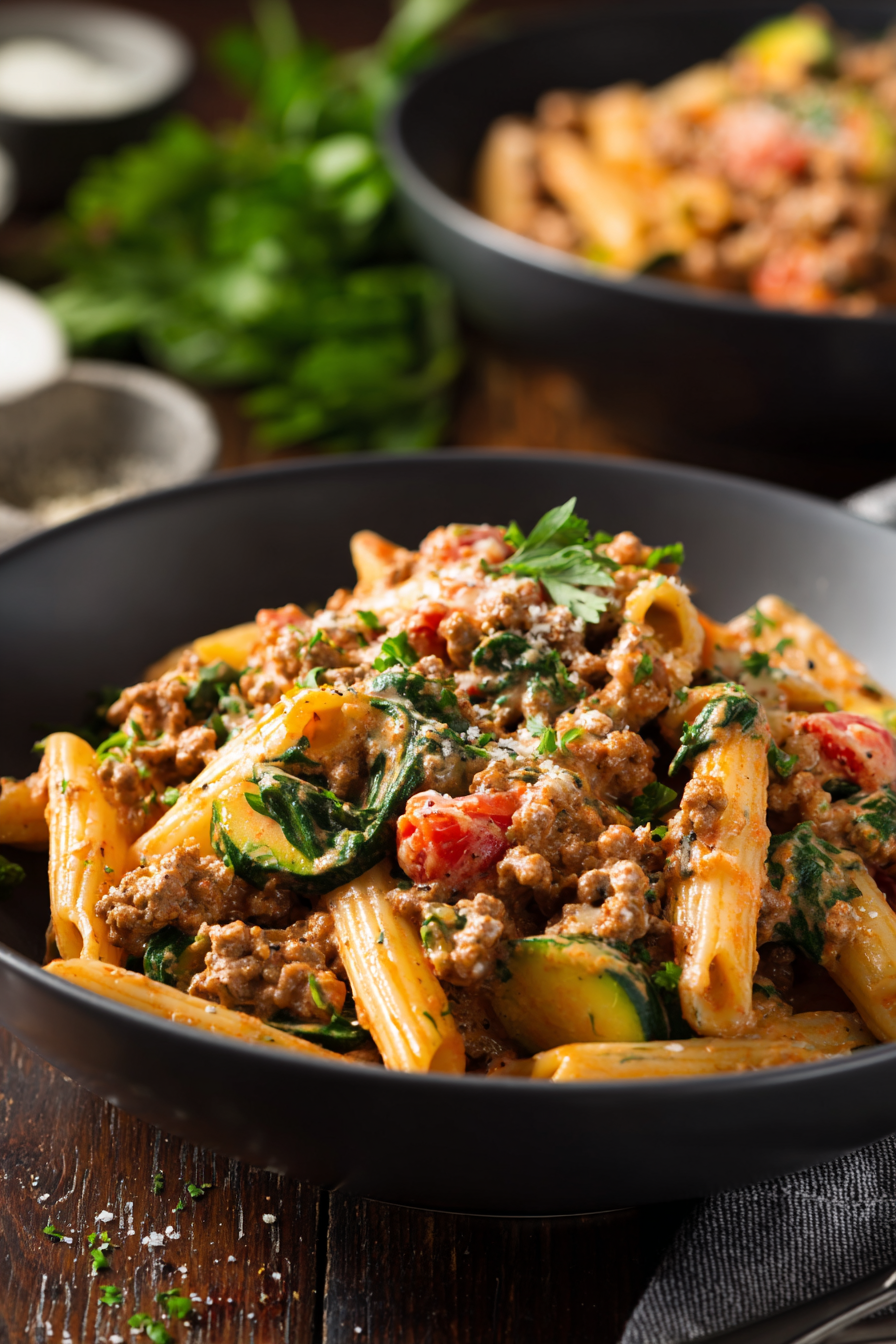
This healthy pasta with ground beef is a quick 30-minute skillet dinner packed with lean protein, whole grain pasta, and colorful vegetables. A light tomato sauce coats every bite so you get all the comfort of classic beefy pasta without feeling heavy. The recipe is flexible enough for whatever veggies and pasta shapes you have on hand. If you like exploring more pasta ideas, you can browse additional options at Pasta Recipes.
Ingredients
- 8 oz (225 g) whole wheat or high-protein short pasta (such as penne, rotini, or fusilli)
- 1 tbsp olive oil
- 1 lb (450 g) lean ground beef (90–96% lean)
- 1 small yellow onion, finely chopped
- 3 cloves garlic, minced
- 1 medium red bell pepper, diced
- 1 medium zucchini, diced
- 1 medium carrot, finely diced or grated
- 1 tsp dried Italian seasoning
- 1/2 tsp dried oregano
- 1/2 tsp smoked paprika (optional)
- 1/2 tsp red pepper flakes (optional, for heat)
- 3/4 tsp fine sea salt, plus more to taste
- 1/2 tsp freshly ground black pepper
- 1 can (14.5 oz / 410 g) crushed or finely diced tomatoes, no salt added if possible
- 1/2 cup (120 ml) low-sodium beef or vegetable broth
- 2 tbsp tomato paste
- 1/4 cup (60 ml) milk or unsweetened plain yogurt (optional, for a slightly creamy sauce)
- 1/4 cup (25 g) finely grated Parmesan cheese, plus more for serving
- 2 tbsp chopped fresh parsley or basil, plus extra for garnish
- 1 cup (30 g) fresh baby spinach, roughly chopped
- Nonstick cooking spray or additional oil as needed
Instructions
- Bring a large pot of salted water to a boil. Add the pasta and cook according to package directions until al dente, stirring occasionally to prevent sticking. Reserve 1/2 cup of the starchy pasta water, then drain the pasta and set aside.
- While the pasta cooks, heat the olive oil in a large deep skillet over medium-high heat. Add the ground beef and cook, breaking it into small crumbles with a spatula, until no longer pink and lightly browned in spots, 5–7 minutes. Spoon off any excess fat if needed, leaving about 1 tablespoon in the pan.
- Reduce the heat to medium. Add the chopped onion and cook, stirring often, until softened and translucent, about 3–4 minutes. Add the garlic and cook until fragrant, about 30 seconds, watching closely so it does not burn.
- Stir in the bell pepper, zucchini, and carrot. Cook, stirring occasionally, until the vegetables begin to soften and the edges look slightly glossy and tender-crisp, about 4–5 minutes.
- Sprinkle in the Italian seasoning, dried oregano, smoked paprika, red pepper flakes, salt, and black pepper. Stir well to coat the beef and vegetables evenly in the spices and cook for 1 minute so the flavors bloom and become fragrant.
- Add the crushed tomatoes, broth, and tomato paste. Stir until the tomato paste is fully incorporated and no streaks remain. Bring the mixture to a gentle simmer, then reduce the heat to medium-low and cook for 8–10 minutes, stirring occasionally, until the sauce thickens slightly and the vegetables are tender.
- Stir in the chopped spinach and cook until just wilted and bright green, about 1–2 minutes. If using milk or yogurt, lower the heat and stir it in now, mixing until the sauce looks silky and slightly creamy but not boiling.
- Add the drained pasta to the skillet, along with the grated Parmesan and 2–4 tablespoons of the reserved pasta water. Toss gently but thoroughly until every piece of pasta is coated and the sauce clings nicely, adding more pasta water as needed to reach a loose, glossy consistency.
- Taste and adjust seasoning with additional salt, pepper, or red pepper flakes. Let the pasta sit over low heat for 1–2 minutes so the flavors meld and the sauce slightly absorbs into the pasta, stirring once or twice to prevent sticking.
- Remove from the heat and sprinkle with chopped fresh parsley or basil and extra Parmesan, if desired. Serve hot, making sure each portion gets a good mix of beef, vegetables, and pasta.
Notes
- For extra fiber and protein, choose whole wheat or a lentil- or chickpea-based high-protein pasta and keep the beef lean (90–96%).
- You can swap the vegetables for what you have: mushrooms, broccoli florets, or frozen mixed vegetables work well; just adjust cook time so they are tender but not mushy.
- To meal prep, divide into airtight containers and refrigerate for up to 4 days; reheat gently on the stovetop with a splash of water or broth to loosen the sauce.
- This recipe also freezes well: cool completely, portion into freezer-safe containers, and freeze for up to 3 months; thaw overnight in the refrigerator before reheating.
- For a lower-sodium version, use no-salt-added tomatoes, low-sodium broth, and season gradually, tasting as you go.
- To make it dairy-free, omit the milk and Parmesan or use your favorite plant-based cheese alternative; the sauce will still be flavorful and satisfying.
Nutrition
- Array