
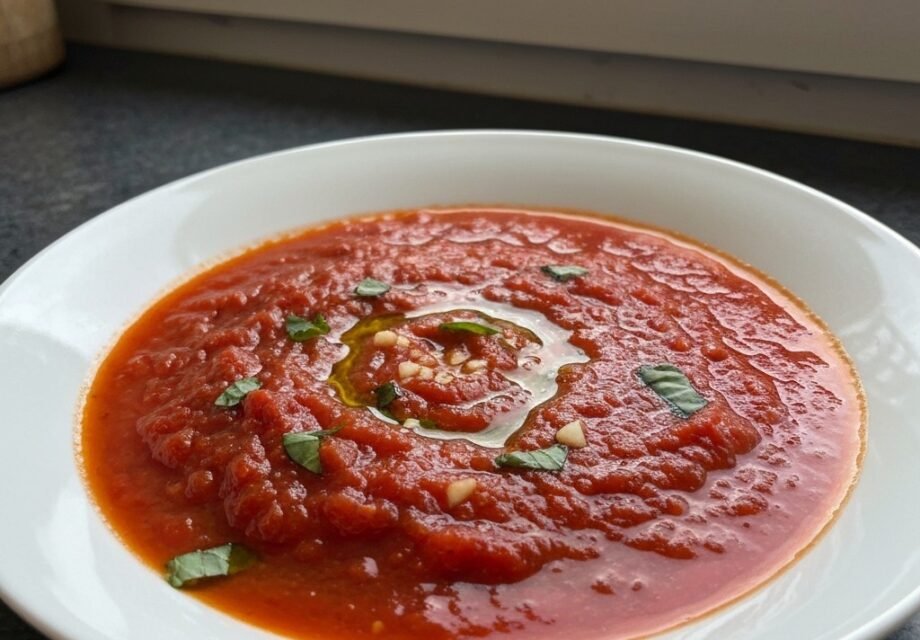
Experience the Rich, Tangy Flavor of Homemade Marinara Sauce Recipe
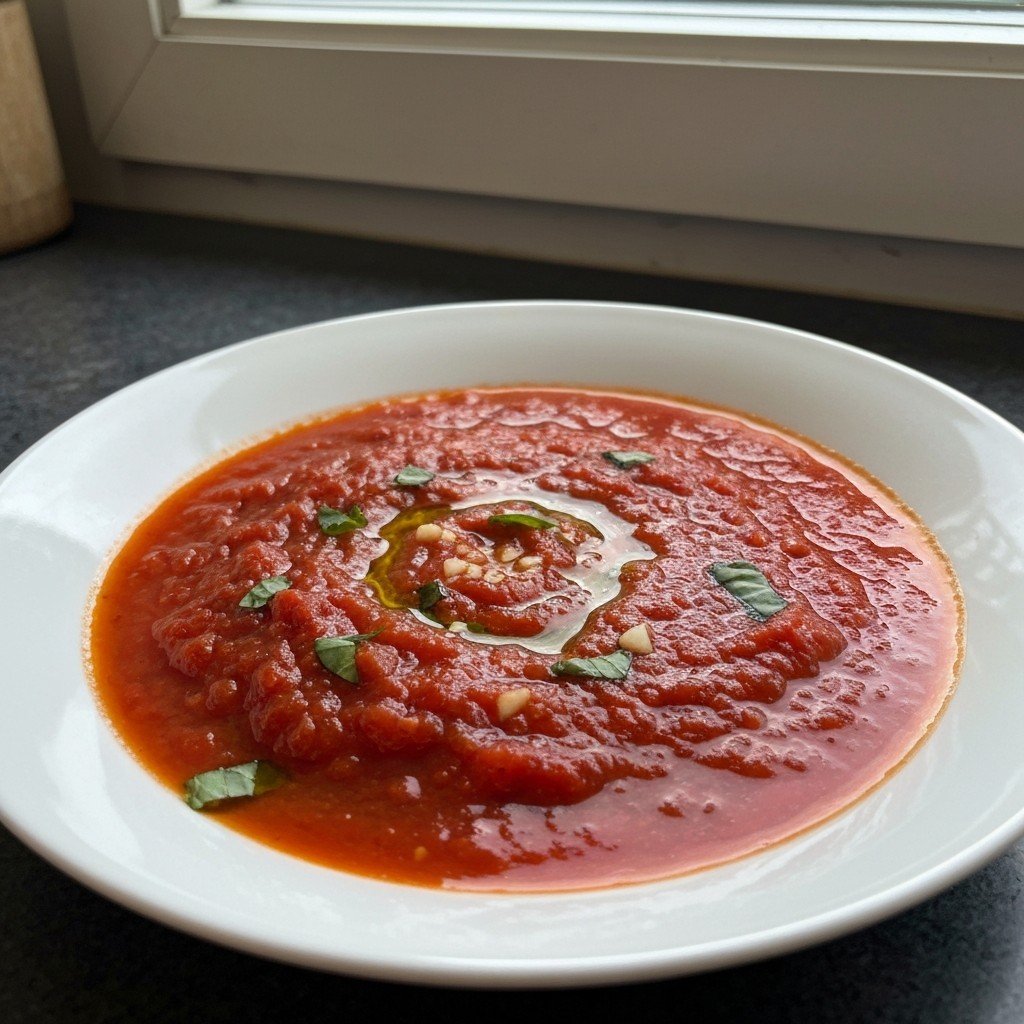
Here is the thing: making your own marinara is easier than most people think, and the payoff is enormous. Whether you’re spooning it over pasta, dipping crusty bread, or layering it into a lasagna, this sauce brings that authentic Italian warmth straight to your table. Today, I’m sharing my simple, 5-step marinara sauce recipe so you can enjoy that homemade goodness anytime.
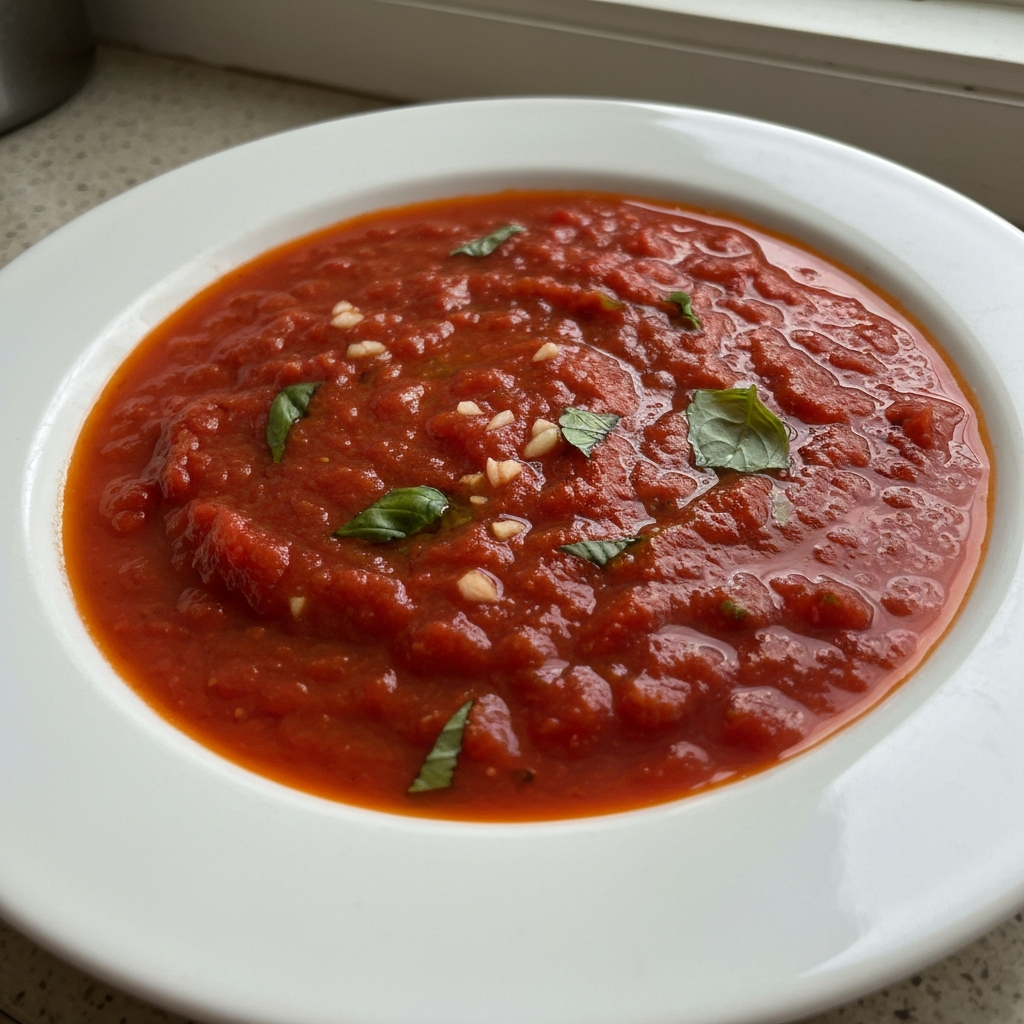
Marinara Sauce Recipe with 5 Simple Steps for Irresistible Flavor
Meta description: Learn how to make a fresh and flavorful marinara sauce recipe at home with these 5 simple steps. Easy to customize and perfect with pasta or pizza.
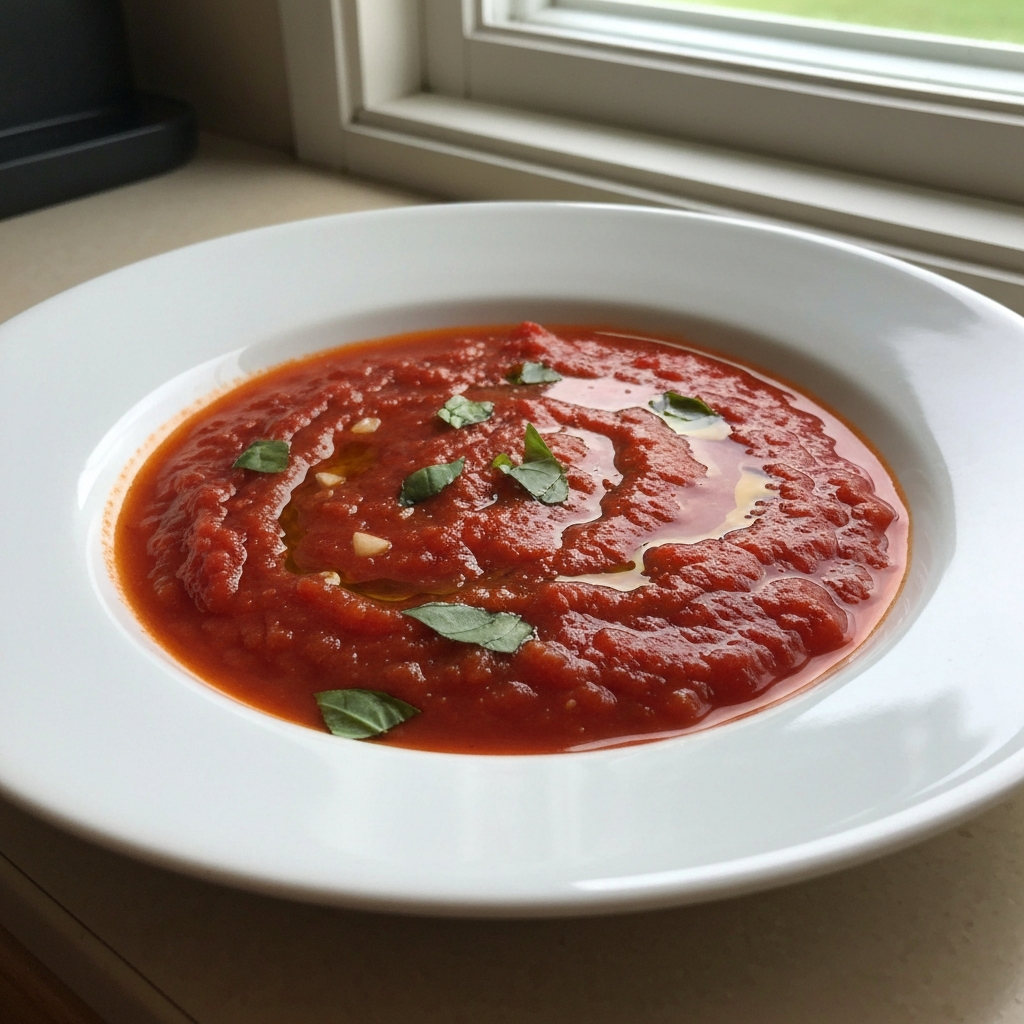
What is Marinara Sauce Recipe – Why You’ll Love It Fresh and Homemade
Marinara sauce is a classic staple from Italian cuisine, traditionally made from ripe tomatoes, garlic, herbs, and olive oil. Originating from Naples and southern Italy, it’s designed to be a quick yet flavorful tomato sauce. Unlike heavy meat sauces, marinara focuses on freshness and simplicity.
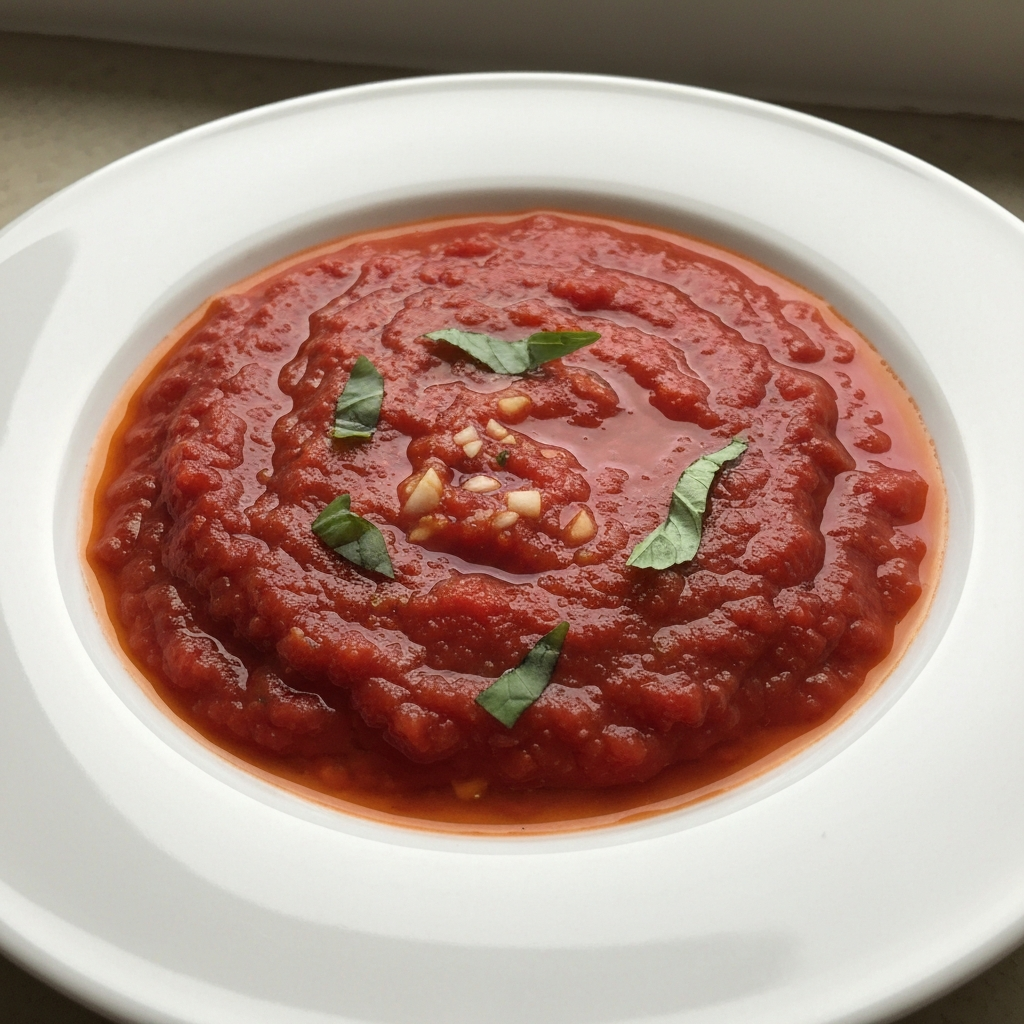
The secret most recipes miss is that homemade marinara sauce bursts with fresh flavor and offers remarkable versatility. Compared to store-bought options, yours won’t have preservatives, hidden sugars, or artificial flavors. Plus, you control every ingredient, making it possible to adjust sweetness, acidity, or spice to suit your family’s taste.
My family loves using this sauce for everything from spaghetti nights to homemade pizza crusts. It’s also a fantastic base for dishes like chicken parmigiana or as a rustic dipping sauce for warm bread. You’ll see why homemade marinara often tastes like a warm hug — a vibrant, fresh hug your family will ask for again and again.
Essential Ingredients for the Marinara Sauce Recipe
- San Marzano Tomatoes (28 oz can) – These tomatoes are sweet and less acidic, creating that perfect base for your sauce.
- Extra Virgin Olive Oil (3 tbsp) – Adds richness and carries the flavor of the aromatics.
- Fresh Garlic (3 cloves, minced) – Provides a fragrant depth and slight pungency.
- Fresh Basil Leaves (about 10 leaves) – Imparts a sweet, peppery aroma that defines marinara.
- Salt (to taste) – Enhances all the flavors.
- Black Pepper (freshly ground) – Adds gentle heat and complexity.
- Optional: Red pepper flakes for heat, chopped onion for sweetness, a pinch of sugar to balance acidity.
Each ingredient has its role. For example, olive oil helps sauté the garlic gently without burning, which releases those warm scents and mellows the sharpness. Fresh basil brightens the finished sauce with an herbal note that canned herbs just can’t replicate.
How to Make Marinara Sauce Recipe in 5 Simple Steps
After testing this recipe five times in my kitchen, I nailed down a process that’s straightforward yet results in a sauce bursting with flavor and perfect texture.
Step 1: Prepare Your Ingredients
- Minced garlic: finely chop three cloves to release maximum flavor.
- Fresh basil: tear or roughly chop to release oils.
- Have your canned San Marzano tomatoes ready; crush them by hand or use a potato masher for a rustic texture.
The aroma of the fresh garlic at this stage is already inviting and signals the start of something delicious.
Step 2: Sauté Aromatics
- Heat olive oil in a saucepan over medium heat.
- Add the minced garlic and stir frequently for about 1-2 minutes until it’s fragrant and just turning golden. Be careful not to burn it, as burnt garlic tastes bitter.
- If you’re adding onions or red pepper flakes, add them here and cook until onions soften, about 3 minutes.
This step forms the flavor base. The sizzling and popping sounds of garlic hitting hot oil are music in any kitchen.
Step 3: Add and Simmer Tomatoes
- Pour in the crushed tomatoes and their juices.
- Bring the mix to a gentle simmer.
- Let it cook, uncovered, for 20-30 minutes, stirring every 5-7 minutes.
You’ll notice the sauce gradually thickens and the raw tomato smell softens into something rich and inviting.
Step 4: Season and Adjust
Add salt, pepper, and, if desired, a pinch of sugar. Taste and adjust — this step makes a big difference. The salt enhances sweetness, while sugar balances tomato acidity naturally.
Step 5: Finish with Fresh Basil
Tear fresh basil leaves and stir them in right at the end to keep their bright aroma intact.
The sauce should have a vibrant red color, smooth but with some texture, and a beautifully balanced flavor between sweet, savory, and a hint of herbaceous.
Tips for Perfecting Your Marinara Sauce Recipe Every Time
- Choose quality tomatoes: San Marzano or similar plum tomatoes make all the difference. Avoid sauces or purees that contain added sugar or preservatives for the freshest taste.
- Balance acidity naturally: If your tomatoes taste tart, a pinch of sugar or a splash of grated carrot can sweeten without adding processed sugar.
- Avoid bitterness: Burnt garlic is the most common culprit; cook your garlic low and slow to preserve sweetness.
- Simmer gently: Vigorous boiling breaks down the sauce too much and can make flavors dull. Keep it at a low simmer.
- Stir occasionally: Scrape the bottom gently to prevent sauce from sticking and burning.
- Use fresh herbs last: To keep that fresh herbal punch vibrant, add basil at the very end instead of during cooking.
How to Customize and Vary Your Marinara Sauce Recipe
I love making this sauce my own depending on the mood, season, and pantry. Here are some tasty variations:
- Spicy Marinara: Add a pinch or two of red pepper flakes while sautéing the garlic.
- Olive and Caper Marinara: Stir in chopped Kalamata olives and capers for a Mediterranean twist, fantastic with pasta or fish.
- Anchovy Boost: A small amount of anchovy paste melted into the oil adds umami without a fishy taste.
- Fresh Tomato Version: In summer, substitute canned tomatoes with peeled, blanched fresh tomatoes. This gives an even fresher taste but requires slightly longer simmering.
- Vegan and Gluten-Free: This recipe is naturally vegan and gluten-free—no modifications needed.
How to Store and Reheat Your Marinara Sauce Recipe for Best Flavor
Making marinara sauce in batches saves you time and money. Here’s how to keep it fresh:
- Refrigerate: Cool completely, then store in an airtight container for up to 4 days.
- Freeze: Portion into freezer-safe containers or bags. Marinara stays good in the freezer for up to 3 months.
- Reheat gently: Warm the sauce slowly on the stovetop over low heat, stirring occasionally. Avoid microwaving on high to preserve texture and flavor.
- Portion tips: Freeze individual portions in ice cube trays, then transfer cubes into bags for easy, grab-and-go sauce additions.
FAQ About Marinara Sauce Recipe
What is the best type of tomato for marinara sauce?
San Marzano tomatoes are considered the gold standard due to their natural sweetness and low acidity. However, plum tomatoes or any ripe, meaty tomato you can find will work well in a pinch. For an in-depth history and details, visit Italian Food Forever.
Can I make marinara sauce recipe without onions?
Absolutely! The traditional marinara recipe focuses on garlic as the key aromatic. Onions add sweetness but are optional. If you prefer a simpler sauce or want to avoid onions, just increase the garlic slightly for depth.
How long can homemade marinara sauce be stored?
Refrigerated, your sauce will keep for up to 4 days in an airtight container. If you freeze it, it should stay good up to 3 months without losing quality.
Is marinara sauce recipe suitable for freezing and how to thaw it properly?
Yes, marinara freezes beautifully. Thaw it overnight in the fridge or gently reheat from frozen on the stove. Stir often to keep texture even and prevent separating.
Give This Marinara Sauce Recipe a Try and Share Your Experience
This simple, flavorful homemade marinara sauce recipe is one of those timeless dishes that once you make it yourself, you’ll never look back. It’s perfect for weekday dinners or weekend feasts, bringing a touch of Italy straight to your kitchen. I still remember my young kids eagerly dipping warm bread into this sauce one Sunday afternoon, their eyes lighting up with each bite. That moment reminded me that food is so much more than nourishment — it’s love and tradition, shared one delicious spoonful at a time.
Try this recipe, tweak it to fit your family’s tastes, and let me know how it turns out. Share your own twists or questions in the comments below—I love hearing your stories! For pairing ideas, this sauce is fantastic with my Classic Spaghetti and Meatballs or alongside a crispy Garlic Bread recipe to make any meal special.
Marinara Sauce recipe with 5 simple steps for irresistible flavor
- Prep Time: 10
- Cook Time: 30
- Total Time: 40
- Yield: 4 cups (about 4 servings) 1x
- Category: Main Course
- Method: Stovetop, Simmering
- Cuisine: Italian
- Diet: Vegetarian, Halal, Kosher, Low Lactose
Description
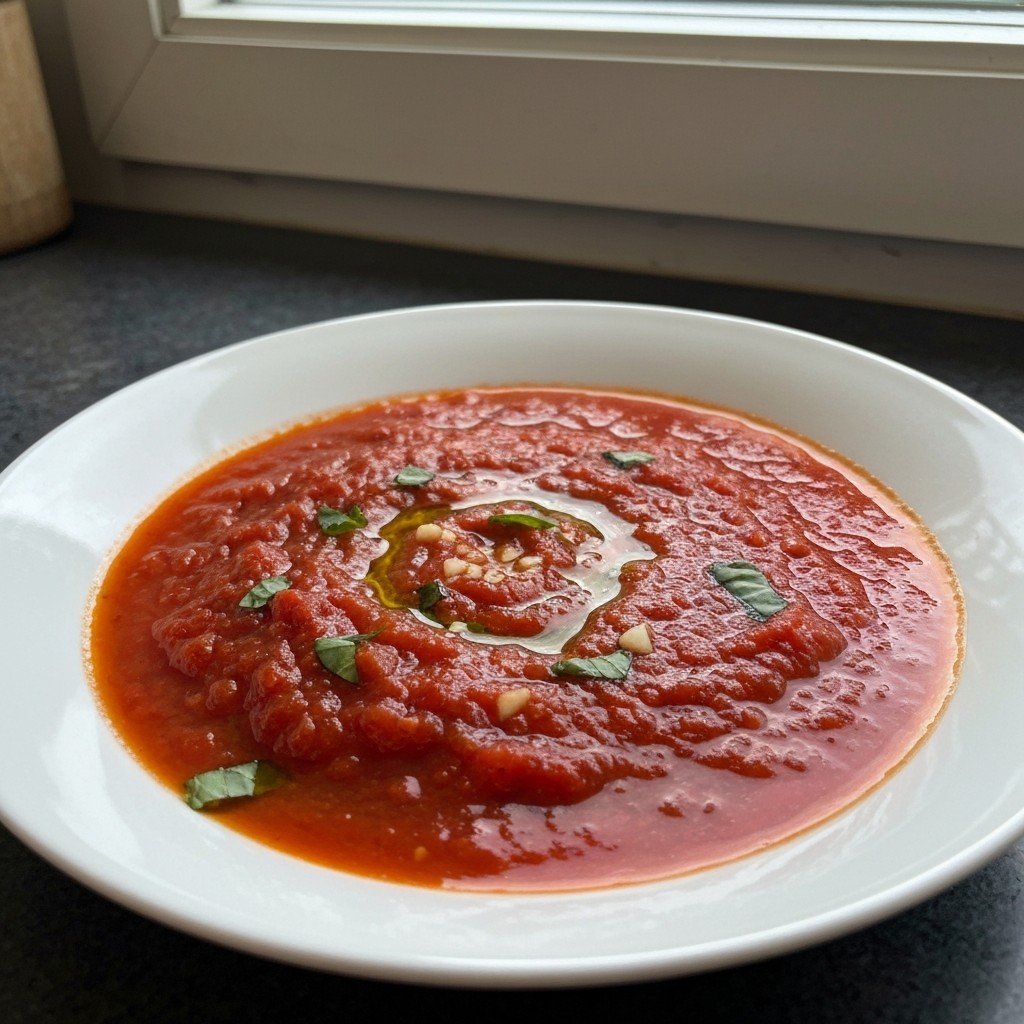
This homemade marinara sauce delivers a fresh and vibrant blend of ripe tomatoes, garlic, and basil with a rich, tangy flavor. It is perfect for serving over pasta, as a dipping sauce for bread, or as a base for various Italian dishes. Simple yet flavorful, this sauce captures the essence of traditional Italian cooking in just five easy steps.
Ingredients
- 2 tablespoons olive oil
- 4 cloves garlic, minced
- 1 can (28 ounces) crushed tomatoes
- 1 teaspoon salt
- 1/2 teaspoon black pepper
- 1 teaspoon dried oregano
- 1/2 teaspoon red pepper flakes (optional)
- 1/4 cup fresh basil leaves, chopped
- 1 teaspoon sugar (optional)
Instructions
- Heat olive oil in a saucepan over medium heat.
- Add minced garlic and sauté until fragrant, about 1 minute, being careful not to burn.
- Pour in the crushed tomatoes and stir to combine.
- Add salt, pepper, oregano, and red pepper flakes if using. Stir well.
- Reduce heat to low and let the sauce simmer uncovered for 25-30 minutes, stirring occasionally.
- Stir in fresh basil and sugar if desired, cook for an additional 2 minutes.
- Remove from heat and serve over pasta or use as desired.
Notes
- For a smoother sauce, blend with an immersion blender before adding basil.
- Adjust seasoning to taste, particularly salt and pepper.
- Adding a pinch of sugar balances acidity but is optional.
- Store leftovers in an airtight container in the refrigerator for up to 5 days.
- Freeze the sauce in portioned containers for up to 3 months.
Nutrition
- Array
[…] Cheese Please: Mix in 2 tablespoons of finely grated Parmesan cheese into your panko mixture for a cheesy, savory crust. This would be a great complement to a side of Marinara Sauce. […]