
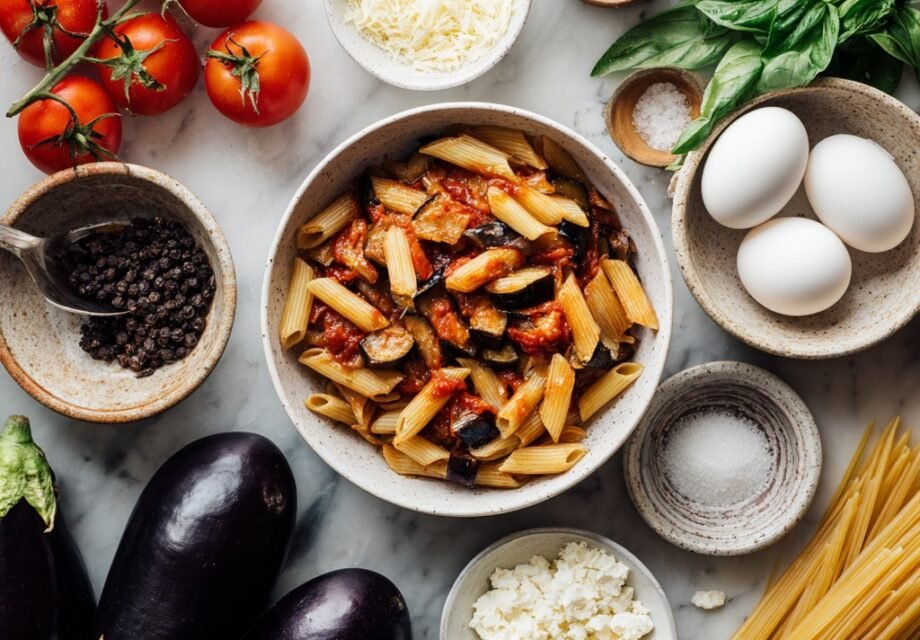
Imagine the warmth of Sicilian sunshine in a bowl. This easy **Pasta alla Norma** recipe brings that vibrant, comforting experience right to your kitchen. Featuring tender fried eggplant, a rich tomato sauce, fresh basil, and salty ricotta salata, it’s a classic ready in under an hour. Discover how simple it is to bring these authentic Italian flavors to your table tonight.
In This Article
- Why You’ll Love This Pasta alla Norma Recipe
- Ingredients for Pasta alla Norma
- How to Make Pasta alla Norma Step by Step
- Tips for Perfect Pasta alla Norma
- Variations & Substitutions
- How to Store & Reheat
- Frequently Asked Questions
- Enjoy Your Authentic Sicilian Meal
Why You’ll Love This Pasta alla Norma Recipe

This isn’t just a pasta dish; it’s a celebration of simple, fresh ingredients. Our recipe perfectly balances the natural sweetness of ripe tomatoes with the delicate richness of fried eggplant and the bright aroma of basil, all brought together by perfectly cooked pasta.
It’s designed to be approachable for home cooks while delivering authentic, restaurant-quality flavor. We’ve streamlined the process, making it entirely possible to enjoy this classic even on a busy weeknight.
Ingredients for Pasta alla Norma
Gather these fresh ingredients for an authentic and delicious **Pasta alla Norma**. Good quality items make a real difference here.
Produce
- Eggplant: 1 large or 2 small globe eggplants (about 1.5-2 lbs), sliced into ½-inch rounds or 1-inch cubes. Salting the eggplant beforehand is highly recommended. It draws out bitterness and excess water, helping the eggplant fry up crispier and less oily. This step adds about 30 minutes, but it’s worth it!
- Garlic: 4-5 fresh cloves, minced or thinly sliced.
- Fresh Basil: A generous bunch (about ½ cup packed leaves), for the sauce and for garnishing. Don’t skip fresh basil here!
- Tomatoes: 1.5 lbs cherry or Roma tomatoes, halved or quartered, OR 1 large (28 oz) can of good quality crushed tomatoes (like San Marzano). Fresh ripe tomatoes are ideal in season for a brighter flavor. Otherwise, excellent canned crushed tomatoes provide deep, consistent flavor year-round.
- Red Onion (optional): ½ small red onion, finely diced. Adds subtle savory sweetness.
Pantry Staples
- Pasta: 1 lb short pasta, such as rigatoni, penne, or maccheroni. Traditional shapes with ridges or tubes help the sauce cling, capturing every bit of flavor. For another hearty pasta option, try our Creamy Tomato Pasta.
- Olive Oil: About ½ cup good quality extra virgin olive oil, divided, for frying the eggplant and making the sauce.
- Salt: Kosher or sea salt, for seasoning and salting eggplant.
- Black Pepper: Freshly ground.
- Pinch of Sugar (optional): A tiny pinch can balance the acidity of tomatoes if they’re particularly tart.
- Red Pepper Flakes (optional): A small pinch adds a gentle warmth to the sauce.
Dairy & Cheese
- Ricotta Salata: A block (about 4-6 oz) for grating. This firm, salted ricotta is crucial for the authentic flavor and texture of Pasta alla Norma. Do not substitute with fresh, creamy ricotta; the flavor and texture are entirely different. If truly unavailable, aged Pecorino Romano or sharp Parmesan can be used, though the flavor will differ significantly.
How to Make Pasta alla Norma Step by Step

Follow these clear instructions to create a truly wonderful **Pasta alla Norma**. The process is all about building layers of flavor.
Step 1: Prepare the Eggplant
- Slice the Eggplant: Wash and slice eggplant into ½-inch thick rounds or 1-inch cubes. Halve or quarter rounds later if too large for your pasta shape.
- Salt (Recommended): Lay eggplant pieces on paper towels. Sprinkle generously with salt on both sides. Let sit for at least 30 minutes (up to an hour) until small beads of moisture appear. This draws out bitterness and excess water, leading to crispier, less oily fried eggplant.
- Rinse and Dry: After salting, firmly blot the eggplant dry with fresh paper towels. Ensure they are as dry as possible to prevent splattering and encourage browning.
Step 2: Fry the Eggplant
- Heat the Oil: Pour about ¼ cup of olive oil into a large skillet or heavy-bottomed pot over medium-high heat. You’ll need enough oil for shallow-frying, roughly ¼ to ½ inch deep.
- Fry in Batches: Once the oil is shimmering and hot (a piece of eggplant should sizzle immediately), add eggplant in a single layer, making sure not to overcrowd the pan. Cook for 3-5 minutes per side until golden brown, tender, and caramelized.
- Drain: Use tongs or a slotted spoon to transfer fried eggplant to a plate lined with paper towels to drain excess oil. Season lightly with a pinch of salt immediately. Set aside. You may need to add more oil between batches.
Step 3: Start the Tomato Sauce
- Sauté Aromatics: In the same skillet (after wiping out any burnt bits and adding another tablespoon of olive oil if needed), add minced garlic and diced red onion (if using). Cook over medium heat for 2-3 minutes until fragrant and softened. Be careful not to burn the garlic, as it will taste bitter.
- Add Tomatoes: Stir in the halved cherry or Roma tomatoes (or canned crushed tomatoes). If using fresh, gently squeeze them to release their juices. Add a pinch of salt, pepper, and the optional pinch of sugar or red pepper flakes.
- Simmer: Bring the sauce to a gentle simmer, then reduce heat to low. Cover and cook for at least 15-20 minutes for flavors to meld and tomatoes to break down. For fresh tomatoes, mash them gently with a spoon occasionally. For a deeper flavor, you can simmer longer, up to 30-40 minutes.
Step 4: Cook the Pasta
- Boil Water: While the sauce simmers, bring a large pot of heavily salted water to a rolling boil. It should taste distinctly salty, like the sea.
- Cook Pasta to Al Dente: Add your chosen pasta (rigatoni, penne, etc.) and cook according to package directions until it’s al dente—firm to the bite, not mushy.
- Reserve Pasta Water: Before draining, scoop out about 1 cup of the starchy pasta cooking water. This is essential for adjusting the sauce consistency later.
- Drain Pasta: Drain the pasta thoroughly.
Step 5: Combine and Finish
- Add Eggplant and Basil: Once the tomato sauce has simmered, stir in the fried eggplant and most of the fresh basil leaves, torn or roughly chopped. Stir gently to combine, allowing the basil to perfume the sauce.
- Toss with Pasta: Add the drained pasta directly to the skillet with the sauce. Toss everything together until the pasta is well coated and every strand is glistening.
- Adjust Consistency: If the sauce seems too thick, add a tablespoon or two of the reserved pasta water at a time, tossing until it reaches your desired consistency. The sauce should lovingly cling to the pasta, not be watery or dry.
- Taste and Adjust: Taste the **Pasta alla Norma** and adjust for salt and pepper if needed. A final pinch of salt can really make the flavors pop.
Step 6: Serve
- Plate: Divide the **Pasta alla Norma** among serving bowls.
- Garnish: Grate a generous amount of fresh ricotta salata over each serving. This cheese is central to the dish’s name, said to be inspired by Vincenzo Bellini’s opera “Norma” for its “sublime” quality. Finish with a few fresh basil leaves for color and aroma.
Tips for Perfect Pasta alla Norma

After making this dish countless times, I’ve learned a few tricks that make all the difference.
- Don’t Skimp on Olive Oil for Eggplant: Eggplant loves oil. If you’ve salted it properly, it won’t absorb an excessive amount. The oil is crucial for achieving that beautiful golden-brown crust and a tender, creamy interior. Don’t try to dry-fry it, as the flavor and texture simply won’t be the same.
- Watch the Garlic Closely: Garlic can go from perfectly fragrant to burnt in a flash. Keep the heat medium and stir frequently. If it burns, it’s best to start the garlic over, as burnt garlic will impart a bitter taste to your entire sauce.
- Pasta Water is Your Secret Weapon: That starchy cooking water is liquid gold. It helps emulsify the sauce, making it silky and ensuring it clings to every piece of pasta. Always remember to save it before draining!
- Choose the Right Ricotta Salata: This cheese is truly essential. It’s a firm, salty, and slightly crumbly sheep’s milk cheese with a unique tang that perfectly balances the rich tomato and eggplant. It’s distinctly different from the soft, creamy ricotta used in dishes like lasagna.
- Fresh Basil is Non-Negotiable: While dried basil has its uses, it simply doesn’t compare here. The bright, slightly peppery flavor of fresh basil brings the whole dish to life. Add most of it towards the end to preserve its vibrant flavor and color.
- Timing Matters: Try to coordinate so your pasta finishes cooking around the same time your sauce is ready. Overcooked pasta is a common pitfall, and letting drained pasta sit too long can make it sticky and less enjoyable.
Variations & Substitutions
While classic **Pasta alla Norma** is perfect as is, sometimes you might want to adapt. Here are a few ideas:
- Tomato Options: If fresh tomatoes aren’t in season or you don’t have high-quality crushed canned ones, diced canned tomatoes can work. Just simmer them a bit longer to break them down. For a truly quick option, a good jarred marinara can be used as a base, enhanced with fresh garlic and basil.
- Add Other Vegetables: While not traditional, sometimes a handful of fresh spinach or some finely diced bell peppers can be added. Sauté them with the garlic before adding the tomatoes.
- Add a Protein: For a heartier meal, you could brown some Italian sausage or ground beef with the garlic before adding the tomatoes. Leftover roasted chicken can also be stirred in at the end. It won’t be authentic Norma, but it will be delicious!
- Vegan Option: This dish is almost naturally vegan! Simply omit the ricotta salata or substitute with a high-quality vegan parmesan alternative. The core flavors of eggplant, tomato, and basil are strong enough to shine on their own.
- Gluten-Free: Use your favorite gluten-free short pasta to make this dish suitable for those with dietary restrictions. The sauce itself is naturally gluten-free.
- Spicy Kick: If you love heat, increase the amount of red pepper flakes in the sauce. You can also add a finely chopped fresh chili pepper along with the garlic for an extra zing.
How to Store & Reheat
**Pasta alla Norma** tastes best fresh, but leftovers are still quite good for a quick meal!
- Storage: Allow the pasta to cool completely before transferring it to an airtight container. It will keep beautifully in the refrigerator for up to 3-4 days.
- Freezing: I don’t typically recommend freezing this dish. The eggplant can become a bit mushy, and the sauce may separate upon thawing. It’s best enjoyed within a few days.
- Reheating:
- Stovetop: The best way to reheat is gently on the stovetop. Place the pasta in a skillet with a splash of water or vegetable broth (about 1-2 tablespoons per serving). Heat over medium-low, stirring occasionally, until warmed through. This helps bring back some moisture.
- Microwave: For a quicker reheat, place a single serving in a microwave-safe dish. Add a tiny splash of water, cover loosely, and heat in 1-minute intervals, stirring in between, until hot. Be careful not to overheat, as this can dry out the pasta.
- Serving Leftovers: Leftover **Pasta alla Norma** makes a wonderful lunch the next day. Sometimes I’ll add more fresh basil or a fresh grating of ricotta salata to freshen it up.
Frequently Asked Questions
Can I bake the eggplant instead of frying it?
Yes, you can. While frying gives the most traditional flavor and texture, baking is a healthier alternative. Toss the eggplant cubes with a few tablespoons of olive oil, salt, and pepper, then spread them in a single layer on a baking sheet. Roast at 400°F (200°C) for 20-25 minutes, flipping halfway, until tender and lightly browned. It won’t be quite as rich, but it’s still delicious.
What if I can’t find ricotta salata?
Ricotta salata is unique, but if it’s truly unavailable, your best alternative is a good quality aged Pecorino Romano or even Parmesan cheese. They offer a similar salty, savory punch, though the specific flavor profile will be different. Avoid fresh, creamy ricotta, as it has a completely different taste and texture and will not work here.
Can I make the tomato sauce ahead of time?
Absolutely! The tomato sauce can be made a day or two in advance and stored in the refrigerator. In fact, like many tomato sauces, the flavors often deepen and improve overnight. When you’re ready to eat, simply reheat the sauce, cook the pasta, combine, and proceed with the recipe.
Enjoy Your Authentic Sicilian Meal
This easy **Pasta alla Norma** recipe isn’t just a dish; it’s a delightful journey to the sun-drenched island of Sicily, right in your own kitchen. It’s a testament to how simple, quality ingredients, when treated with care, can create something truly extraordinary. Whether you’re making it for a busy weeknight or a relaxed weekend meal, this pasta will bring warmth and authentic Italian flavor to your table. So go on, gather your ingredients, and enjoy the comforting magic of **Pasta alla Norma** tonight.
PrintEasy Pasta alla Norma Recipe
- Prep Time: 10
- Cook Time: 30
- Total Time: 40
- Yield: 4 servings 1x
- Category: Main Course
- Method: Stovetop, Mixing
- Cuisine: Italian
- Diet: Vegetarian
Description
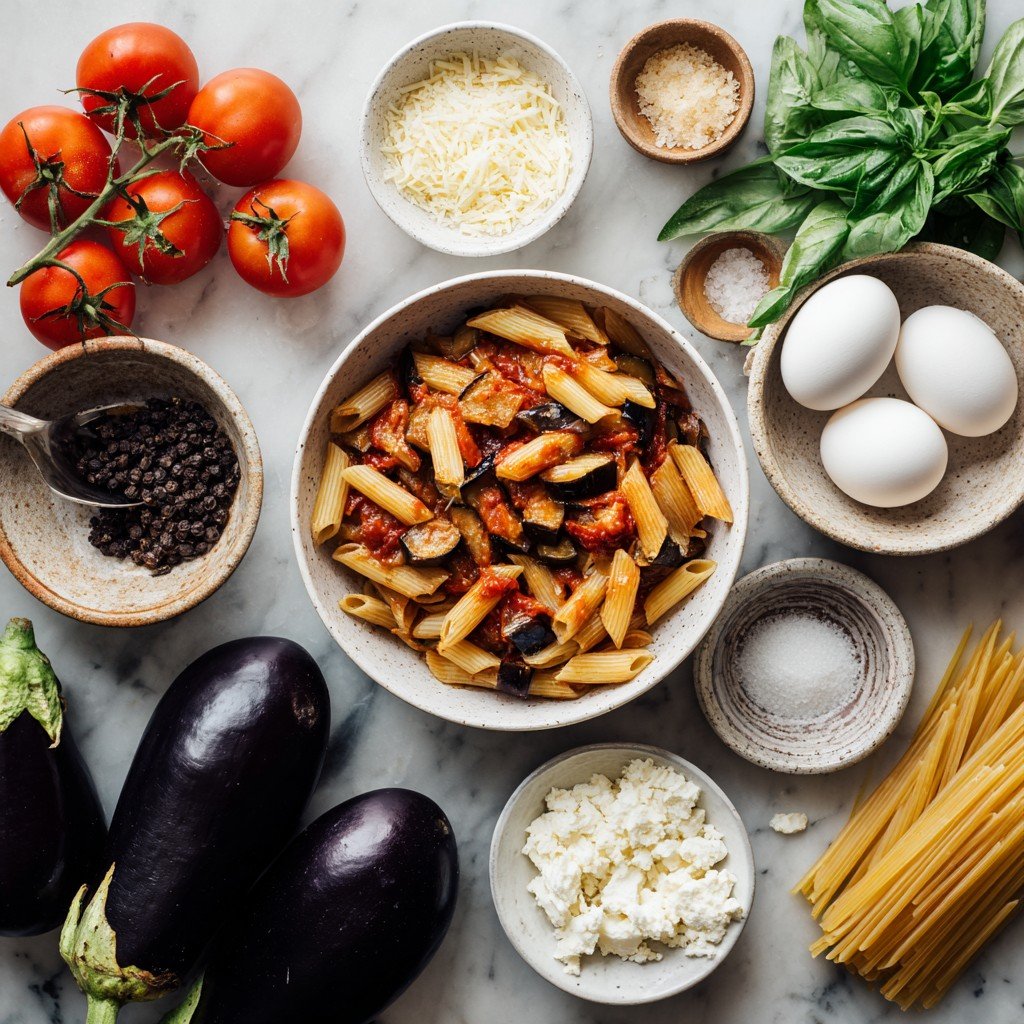
This easy Pasta alla Norma recipe brings the vibrant, comforting experience of Sicilian cuisine to your kitchen. Featuring tender fried eggplant, a rich tomato sauce, and fresh basil, it’s a classic that’s ready in under an hour. Enjoy this approachable recipe for an authentic, restaurant-quality meal any night of the week.
Ingredients
- 1 large or 2 small globe eggplants (about 1.5–2 lbs), sliced into ½-inch rounds or 1-inch cubes
- 4–5 fresh garlic cloves, minced or thinly sliced
- A generous bunch fresh basil (about ½ cup packed leaves), for the sauce and for garnishing
- 1.5 lbs cherry or Roma tomatoes, halved or quartered, OR 1 large (28 oz) can crushed tomatoes
- 1 lb pasta (rigatoni, penne, or macaroni recommended)
- ½ cup ricotta salata, grated or shaved, plus more for serving
- ½ cup olive oil, plus more for frying eggplant
- Salt, to taste
- Black pepper, to taste
Instructions
- Prepare the eggplant: Slice the eggplant and generously salt it. Let it sit in a colander for 30 minutes to draw out moisture and bitterness. Pat dry thoroughly with paper towels before frying.
- Fry the eggplant: Heat about ½ inch of olive oil in a large skillet over medium-high heat. Fry the eggplant in batches until golden brown and tender on both sides. Transfer to a paper towel-lined plate to drain excess oil. Season lightly with salt.
- Start the sauce: In a large saucepan or deep skillet, heat 2 tablespoons of olive oil over medium heat. Add the minced garlic and sauté for 1-2 minutes until fragrant, being careful not to burn it.
- Add tomatoes: Stir in the cherry or Roma tomatoes (or canned crushed tomatoes). Bring to a gentle simmer, then reduce heat to low and let it cook for 15-20 minutes, allowing the flavors to meld and the sauce to thicken slightly. Season with salt and pepper.
- Cook the pasta: While the sauce simmers, bring a large pot of salted water to a rolling boil. Add the pasta and cook according to package directions until al dente. Reserve about 1 cup of the pasta cooking water before draining.
- Combine: Add the fried eggplant and most of the fresh basil (reserving some for garnish) to the tomato sauce. Gently stir to combine.
- Finish the dish: Drain the pasta and add it directly to the sauce. Toss well to coat. If the sauce seems too thick, add a splash of reserved pasta water until it reaches your desired consistency.
- Serve: Divide the Pasta alla Norma among serving bowls. Garnish generously with grated ricotta salata and fresh basil leaves. Serve immediately and enjoy.
Notes
- Salting the eggplant beforehand is highly recommended. It draws out bitterness and excess water, helping the eggplant fry up crispier and less oily.
- Don’t skip fresh basil here! Its bright aroma is crucial for authentic flavor.
- For a different flavor profile, consider using a rich Arrabbiata Sauce as the base, adjusting for spice.
- This dish is best served immediately, but leftovers can be stored.
Nutrition
- Array