
📋 In This Article
Why This Traditional Fettuccine Alfredo Recipe Works
There’s a reason this dish has survived over a hundred years. It relies on technique rather than a long ingredient list, and when you get it right, the result is pure comfort on a plate.

The Magic of Emulsification
Here’s what makes authentic Alfredo different from the cream-heavy versions you find in most restaurants: the sauce forms through emulsification. Starchy pasta water acts as the binding agent between the butter and cheese, suspending tiny fat droplets in the liquid to create that glossy, clingy coating.

Think of it like making a vinaigrette—you’re convincing two things that don’t naturally mix to come together. The starch from the pasta water is your secret weapon. Without it, you’d just have greasy, clumpy cheese.
Only Three Core Ingredients
When a recipe has this few ingredients, each one has to carry its weight. There’s nowhere to hide mediocre cheese or bland butter. The beauty is in the simplicity—this is the authentic Roman method, not the Americanized version loaded with heavy cream and garlic.
That stripped-down approach means the quality of your Parmigiano-Reggiano and butter shows in every bite. It’s the same principle behind my carbonara pasta sauce—simple ingredients, proper technique, extraordinary results.
Ready in 20 Minutes Flat
This is genuinely a weeknight dinner. From the moment you start boiling water to the moment you’re twirling pasta around your fork, you’re looking at about 20 minutes. The only real skill is timing—getting everything to come together at once while the pasta is still hot enough to melt the cheese properly.
Restaurant-Quality Results at Home
You don’t need a professional kitchen or fancy equipment. A large pot, a warm bowl, and a bit of wrist action are all it takes. What makes this dish impressive isn’t complexity—it’s the silky texture and rich flavor that come from understanding how the ingredients interact.
Ingredients for Traditional Fettuccine Alfredo

Let me walk you through each component and why it matters. Getting these right is most of the battle.
Pasta Selection Notes
Fresh fettuccine is the traditional choice and my strong preference here. Fresh pasta releases more starch into the cooking water, which helps build that creamy sauce. The texture is also more tender and the noodles grip the sauce better.
If using dried fettuccine, it still works—just cook it in slightly less water to concentrate the starch. Dried pasta needs about 10-12 minutes versus 2-3 minutes for fresh.
Why fettuccine specifically? The wide, flat ribbons create surface area for the sauce to cling to. Spaghetti would slide right off. For 4 servings, you’ll need about 400g (14 oz) fresh fettuccine or 350g (12 oz) dried.
Butter: Quality Matters
This is one of those times when splurging on butter pays off. Look for unsalted European-style butter with at least 82% butterfat. Standard American butter hovers around 80%, which doesn’t sound like much of a difference until you taste them side by side.
Higher butterfat means less water content, which translates to a richer, silkier sauce. Brands like Kerrygold, Plugrá, or any good French butter work beautifully.
You’ll need 115g (8 tablespoons/1 stick) for 4 servings. Yes, it’s a lot. This is not a low-fat recipe.
Parmigiano-Reggiano: The Non-Negotiable Ingredient
I can’t stress this enough: genuine Parmigiano-Reggiano is essential. Domestic parmesan or pre-grated cheese will not give you the same results. The aging process, the specific milk, the production method—all of it affects how the cheese melts and tastes.
Look for the dotted rind markings that spell out “Parmigiano-Reggiano” and the DOP certification. Aged 24-30 months gives you the best balance of flavor and meltability for this sauce.
Grate it yourself right before cooking. Pre-grated cheese contains anti-caking agents that prevent smooth melting. Use a microplane or the finest holes on a box grater. You want fluffy, almost powdery shreds.
For 4 servings, measure out 150g (about 1½ cups loosely packed) freshly grated cheese.
Pasta Water: The Secret Ingredient
The water you cook your pasta in becomes an active ingredient in the sauce. Salt it generously—it should taste like mild seawater. I use about 2 tablespoons of kosher salt per 4 liters (4 quarts) of water.
The starch that leaches out during cooking is what emulsifies your sauce. If you’re using fresh pasta, even better—fresh pasta drops more starch than dried.
How to Make Traditional Fettuccine Alfredo Step by Step
Timing is everything with this recipe. Read through the steps once before you start so you understand the flow.
Prep Work Before You Start
- Grate the Parmigiano-Reggiano finely using a microplane or the smallest holes on your box grater. Pile it loosely in a bowl—don’t pack it down.
- Cut the butter into small cubes, about 1cm pieces. Smaller cubes melt more evenly and incorporate faster.
- Warm your serving bowl or platter by filling it with hot tap water and letting it sit. A cold bowl will shock the sauce and make it seize up. Dry the bowl completely before using.
Cooking the Pasta Perfectly
- Bring a large pot of well-salted water to a rolling boil. You want big, aggressive bubbles—not a gentle simmer.
- Add the fettuccine and stir immediately to prevent sticking. Fresh pasta only needs about 2-3 minutes. Dried takes 10-12 minutes. Cook until just shy of al dente—the pasta will continue cooking in the sauce.
- Reserve at least 1½ cups of pasta water before draining. This is critical. I set a measuring cup right next to the sink so I don’t forget in the rush.
Building the Sauce
- Work fast from this point forward. Dump the hot drained pasta into your warmed serving bowl. Add the cubed butter immediately.
- Toss vigorously with tongs or two forks, letting the residual heat melt the butter. The pasta should glisten and look slightly wet.
- Add about half the grated cheese and toss again, lifting the noodles high to incorporate air and cheese evenly. Pour in about 3-4 tablespoons of the reserved pasta water.
- Keep tossing and adding cheese in batches, with splashes of pasta water as needed. The sauce should look creamy and coat the noodles without pooling at the bottom of the bowl.
The Finish: Achieving the Perfect Texture
- Watch for the right consistency. When you lift a forkful, the sauce should cling to the noodles in a thin, glossy layer. If it looks dry, add more pasta water. If it looks greasy or separated, add a bit more cheese and toss vigorously.
- Taste and adjust. The cheese and salted pasta water should provide enough seasoning, but add a crack of black pepper if you like. Some fresh pepper is traditional.
- Serve immediately on warmed plates. This sauce waits for no one—it will thicken and become gluey as it cools.
What You’re Looking For: Sensory Checkpoints
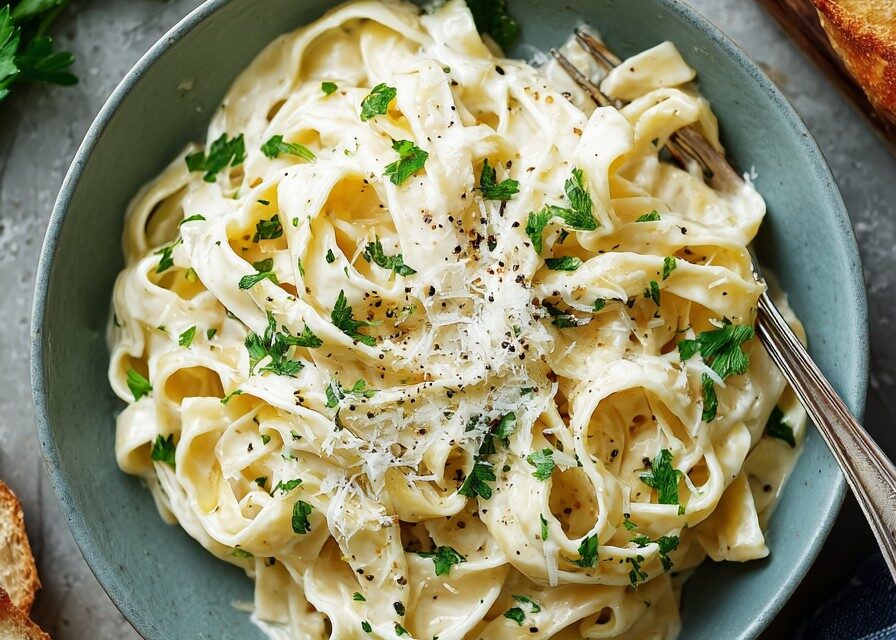
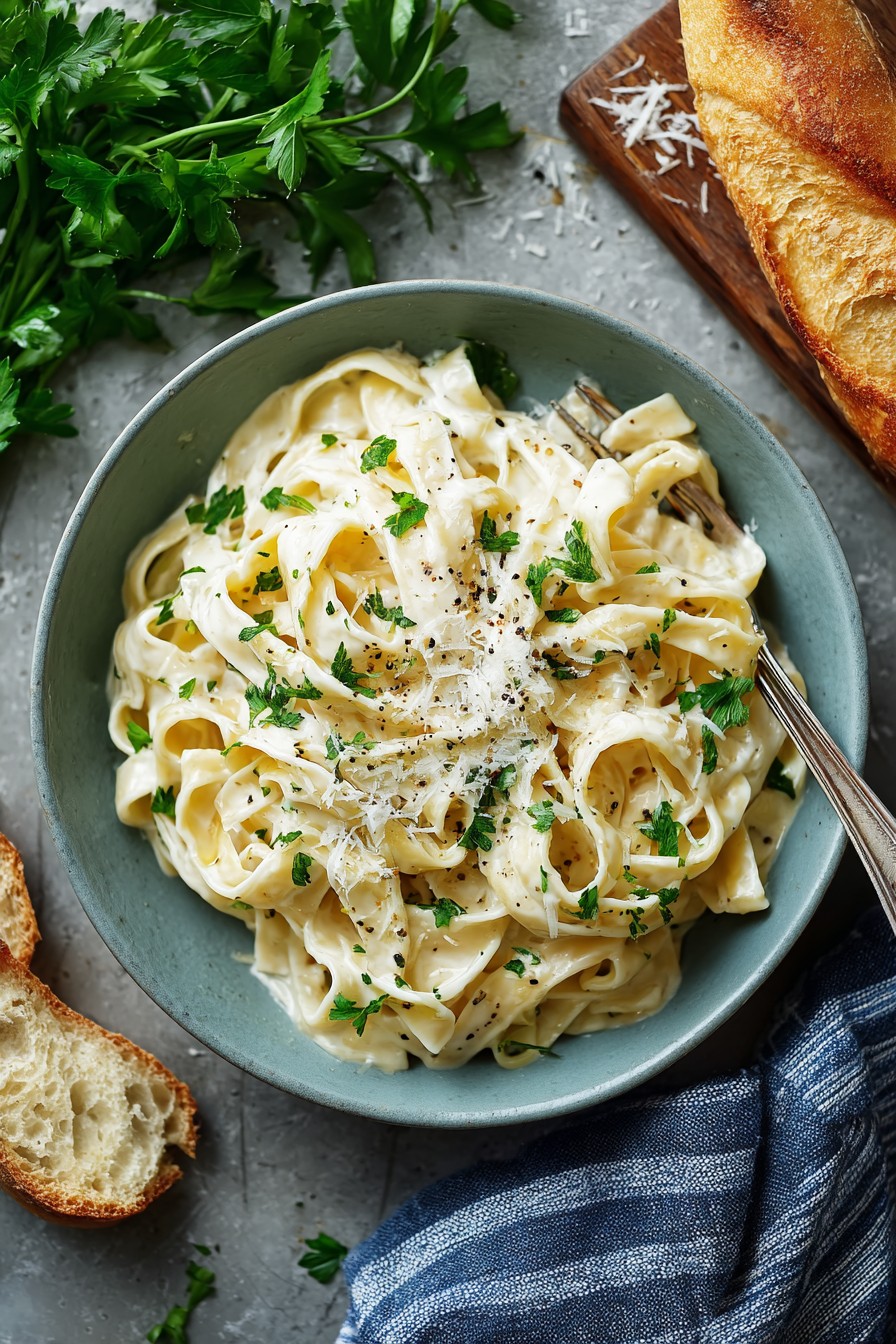
The finished sauce should have a glossy, almost pearlescent sheen—not matte, not oily. When you drag a noodle across the bowl, it should leave a brief trail in the sauce before it flows back together.
Listen for the sound as you toss: you want a gentle slapping noise, not a dry rustle (too little moisture) or a splashing sound (too much liquid). The aroma should be rich and nutty from the cheese, with the sweet cream notes of the butter coming through.
Tips and Common Mistakes to Avoid
I’ve made every mistake on this list. Here’s how to avoid them.
Mistake #1: Sauce Becomes Grainy or Clumpy
This happens when the cheese hits temperatures that are too hot or too cold. The bowl and pasta need to be hot enough to melt the cheese, but if you add everything directly to a screaming hot pan, the proteins in the cheese seize up and turn grainy.
The fix: Work in a warmed bowl, not over direct heat. Add the cheese gradually while tossing constantly. If you see clumps forming, add a splash of pasta water immediately and keep moving.
Mistake #2: Greasy, Separated Sauce
When the fat separates from the sauce, you end up with oily noodles and pools of butter. This means the emulsion broke.
The fix: You probably didn’t have enough starchy pasta water. The starch acts as an emulsifier. Add more pasta water and toss aggressively to bring it back together. For next time, cook your pasta in less water (about 3 quarts instead of 4-5) to concentrate the starch.
Mistake #3: Sauce Becomes Gluey as It Sits
Alfredo waits for no one. As the sauce cools, the cheese re-solidifies and the whole thing turns into a sticky mass. This isn’t a mistake you can fix—it’s just the nature of the dish.
The fix: Have everyone seated and ready before you drain the pasta. Serve immediately. Don’t try to hold it warm.
Pro Tips for Success
- Room temperature butter can help if you’re worried about timing—it’ll melt faster and more evenly.
- Don’t skip the bowl warming step. A cold bowl is the most common cause of sauce problems.
- Fresh pasta really does make a difference here. If you’re making this for a special occasion, seek it out or consider making your own.
- The cheese-to-pasta ratio matters. More cheese = thicker sauce. Adjust to your preference once you’ve made it a few times.
Variations and Substitutions
The traditional recipe is perfect as-is, but I understand sometimes you need to work with what you have.
Cheese Substitutions
Grana Padano is the closest substitute—it’s made similarly to Parmigiano-Reggiano but aged for less time. The flavor is milder and slightly sweeter. It works, but you’ll notice the difference.
Pecorino Romano is too salty and sharp for a true Alfredo—it’ll overpower the butter. If it’s all you have, use half pecorino and half of a milder cheese.
Pre-grated domestic parmesan? Honestly, the results will be disappointing. The texture won’t be right and neither will the flavor. I’d rather you make a different sauce entirely, like my creamy lemon ricotta pasta, which is more forgiving with ingredients.
Butter Alternatives
Regular unsalted butter (80% fat) works fine—just expect a slightly less silky result. Salted butter can be used if you reduce or skip the salt in the pasta water.
Ghee or clarified butter won’t work—you need the milk solids for proper emulsification.
Olive oil? That’s a different dish entirely (cacio e pepe territory). Not a substitute here.
Pasta Alternatives
Any long, flat pasta will work: tagliatelle, pappardelle, or even linguine in a pinch. Avoid thin strands like spaghetti or angel hair—the sauce needs surface area to grip.
Gluten-free pasta can work but choose a high-quality brand. You’ll need to add extra pasta water since GF pasta releases less starch.
Add-Ins and Variations
I have to be honest: traditional Alfredo has no add-ins. That said, some additions work without destroying the spirit of the dish:
- Black pepper—freshly cracked, added at serving
- Nutmeg—a tiny grating, barely perceptible
- Grilled chicken—this is very much an American addition, but if you want protein, it’s the least offensive option
- Broccoli—blanched separately and folded in at the
More Recipes You’ll Enjoy:
- Alfredo Sauce Recipe
- Mac And Cheese Perfection In Just 30 Minutes
- Arrabbiata Sauce
- Best Lemon Pasta Recipe
- Bolognese Pasta
Helpful References:
- Chicken Alfredo Pasta Recipes
- Creamy Chicken Spinach Pasta Recipe
- Garlic Chicken Noodles
Traditional Fettuccine Alfredo in 20 Minutes
- Prep Time: 10
- Cook Time: 30
- Total Time: 40
- Yield: 4 servings 1x
- Category: Main Course
- Method: Stovetop, Boiling
- Cuisine: Italian
- Diet: Vegetarian
Description
Traditional Fettuccine Alfredo is a classic Roman pasta dish made with just three simple ingredients: fresh fettuccine, butter, and Parmigiano-Reggiano cheese. This authentic recipe relies on proper emulsification technique rather than cream to create a silky, glossy sauce that clings beautifully to every strand. Ready in about 30 minutes, this dish delivers the same luxurious results that made Alfredo di Lelio’s restaurant famous over a century ago. For more classic Italian dishes, explore our Pasta Recipes collection.
Ingredients
- 1 pound fresh fettuccine pasta
- 8 ounces unsalted butter, cut into cubes and softened
- 6 ounces Parmigiano-Reggiano cheese, finely grated
- 1 teaspoon fine sea salt, plus more for pasta water
- Freshly cracked black pepper, to taste
Instructions
- Bring a large pot of generously salted water to a rolling boil over high heat, using about 1 tablespoon of salt per quart of water.
- While waiting for the water, place the softened butter cubes in a large warmed serving bowl and add the finely grated Parmigiano-Reggiano on top.
- Cook the fresh fettuccine in the boiling water according to package directions until al dente, typically 2 to 3 minutes for fresh pasta; reserve 1 cup of starchy pasta water before draining.
- Working quickly, transfer the hot drained pasta directly onto the butter and cheese mixture in the warmed bowl.
- Immediately begin tossing the pasta vigorously with tongs or two forks, adding splashes of reserved pasta water as needed to help emulsify the sauce into a smooth, glossy coating.
- Continue tossing for 1 to 2 minutes until every strand is evenly coated with a creamy, silky sauce that clings without pooling at the bottom.
- Season with fine sea salt and freshly cracked black pepper to taste, then serve immediately while still hot.
Notes
- Use authentic Parmigiano-Reggiano cheese for the best flavor and melting properties; pre-grated cheese contains anti-caking agents that prevent smooth emulsification.
- Fresh fettuccine works best because it releases more starch and has a tender texture that pairs perfectly with the sauce.
- Warm your serving bowl by filling it with hot water while the pasta cooks, then dry it before adding butter and cheese.
- The sauce should look glossy and coat the pasta evenly; if it appears greasy or broken, add more pasta water and toss vigorously.
- Serve immediately as the sauce will thicken and become less silky as it cools.
Nutrition
- Array