
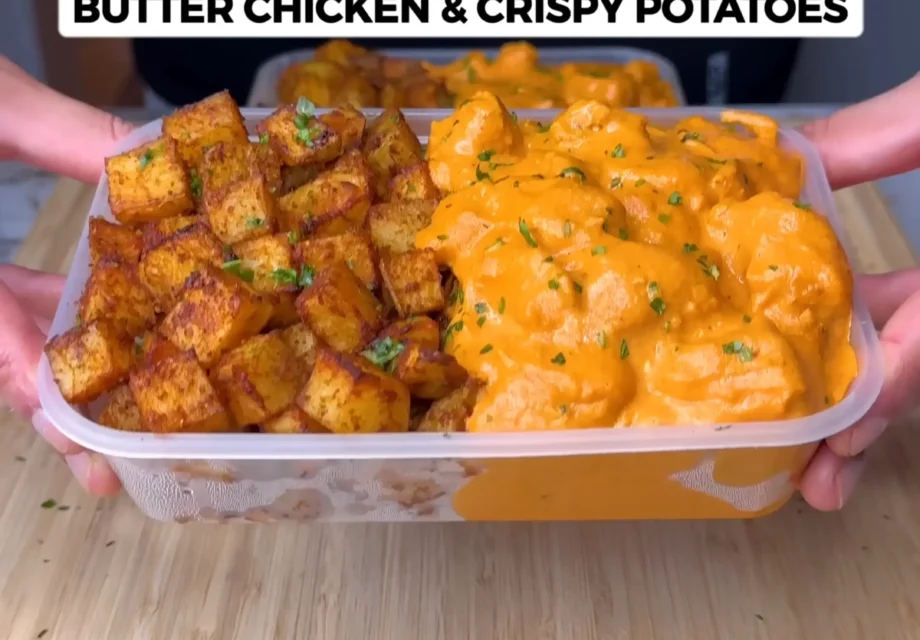
This is the kind of meal that earns a repeat spot fast. It hits hard on flavor, keeps the macros solid, and most importantly—it respects your time.
High Protein Butter Chicken & Crispy Masala Potatoes: Where This Dish Really Comes Together
I’ve cooked butter chicken in small pans, big batches, rushed versions, and slow weekend ones. The difference always comes down to one thing: control. Control over heat, moisture, and timing.
The first time I paired it with crispy masala potatoes instead of rice, it clicked immediately. You get contrast in every bite—creamy against crisp, rich against spiced, soft against golden edges. It stops being just another chicken dish and becomes something you actually look forward to eating again.
That balance is what makes this version stick. And once you understand how each part behaves, the whole dish becomes predictable—in a good way.
Why You’ll Love This High Protein Butter Chicken & Crispy Masala Potatoes
- Deep, spiced butter chicken flavor without the heaviness that usually comes with it
- Crispy masala potatoes that actually stay crisp because they’re cooked separately—not soaked in sauce
- High protein (52g per serving) while still feeling like comfort food
- Flexible cooking methods—air fryer, oven, or stovetop all work depending on your setup
- Holds up well for meal prep, especially if you store components separately
What You’ll Need
High Protein Butter Chicken & Crispy Masala Potatoes Main Protein / Base
- Boneless skinless chicken thighs — thighs stay juicy even at high heat and don’t dry out when reheated; they give you that tender, almost buttery texture
- White potatoes — cut small so you maximize surface area; more edges means more crunch and faster cooking
Aromatics
- Garlic paste — this runs through both marinade and sauce; it builds that deep, savory backbone
- White onion — softens into sweetness and gives the sauce body once blended
Spices
- Garam masala — the defining spice blend; warm, slightly sweet, and layered
- Paprika — adds color and a mild sweetness that rounds everything out
- Turmeric — earthy and subtle, but it anchors the sauce
- Chilli powder — adjustable heat; start modest and build
- Salt — not just seasoning—it sharpens every other flavor
Liquid or Sauce
- Low-fat yogurt — tenderizes the chicken and keeps the sauce creamy without heaviness
- Lemon juice — cuts through richness and wakes everything up
- Canned or fresh tomatoes — the base of the sauce; gives tang and structure
- Light evaporated milk — adds creaminess without diluting flavor
- Light butter — this is non-negotiable for me; even a small amount gives that signature finish you can’t fake
Vegetables or Add-ins
- Raw cashew nuts — blended into the sauce for natural thickness and a smooth, velvety texture
Toppings
- White sauce (yogurt + milk) — cool, slightly tangy drizzle that balances the spices and adds contrast
Ingredient Notes That Make a Difference
Small choices change the final result more than you’d expect. Full-fat yogurt gives a richer marinade, but low-fat works well if you’re keeping macros tighter. If your yogurt is very thin, strain it for 10–15 minutes so it clings better to the chicken.
The marinade isn’t just flavor—it actively changes texture. The yogurt and lemon gently break down proteins in the chicken, which is why even a short 30-minute rest makes a noticeable difference. Longer marination deepens flavor but also improves browning because the surface dries slightly.
For potatoes, waxy varieties hold their shape, while floury ones give you a fluffier interior. Either works, but if crispness is your priority, go slightly floury and don’t skip the high heat.
Tomatoes matter more than people think. Canned tomatoes are consistent and slightly sweeter, while fresh tomatoes bring a brighter, sharper acidity. If using fresh, cook them a bit longer to mellow that raw edge.
Cashews should be unsalted and soaked in hot water for 10 minutes if your blender isn’t very strong. This helps them break down fully and avoids a grainy sauce.
Salt timing also plays a role. Seasoning the chicken early helps it retain moisture, while finishing salt in the sauce sharpens flavor right at the end. Layering it this way prevents the dish from tasting flat or overly salty.
How to Make High Protein Butter Chicken & Crispy Masala Potatoes
Prep & Marinate
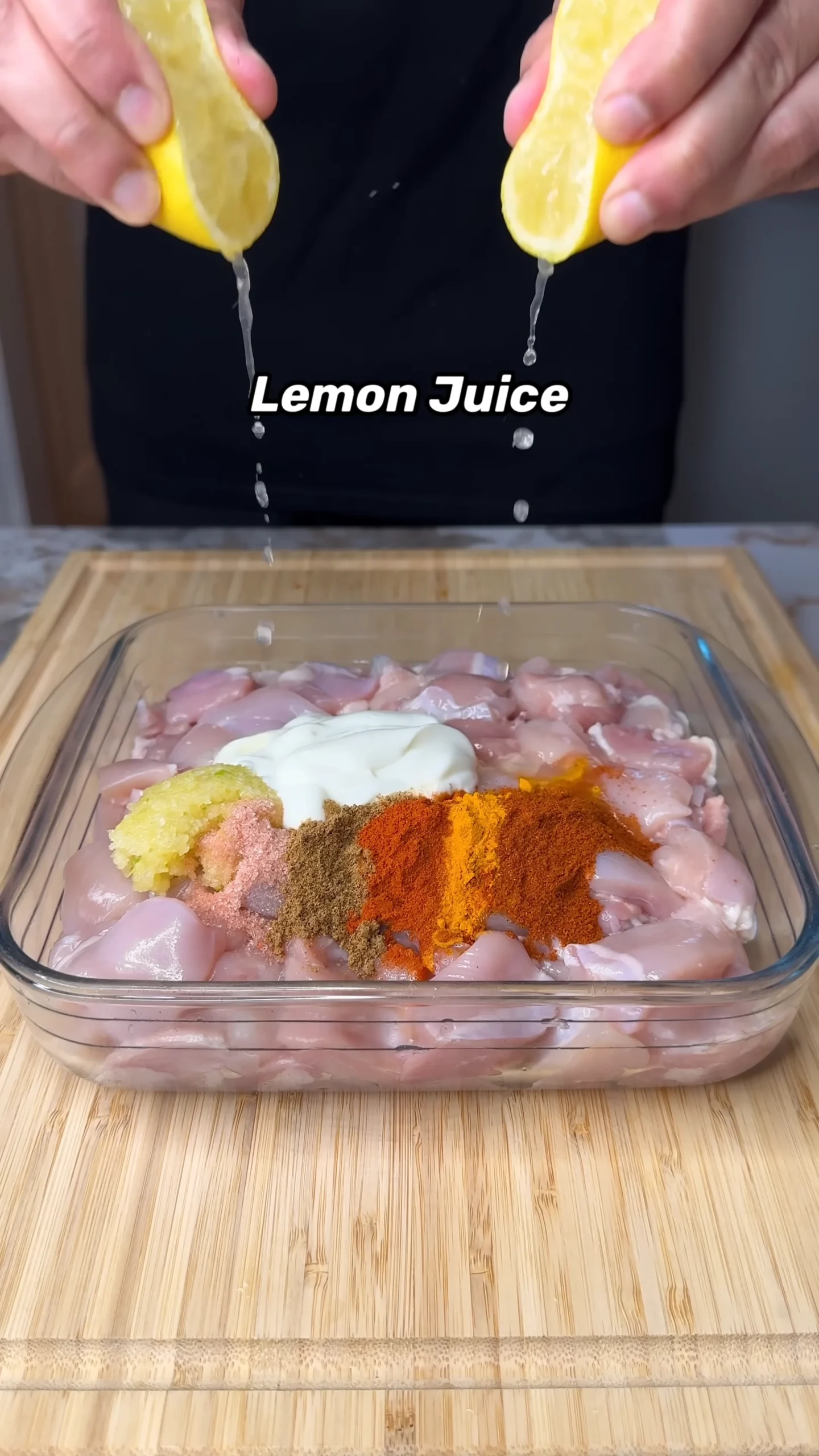
- Step 1: Build the marinade — Mix 80–100g yogurt, 1 tbsp garlic paste, lemon juice, 1.5 tsp salt, garam masala, paprika, turmeric, and chilli powder until smooth. It should look thick but spreadable.
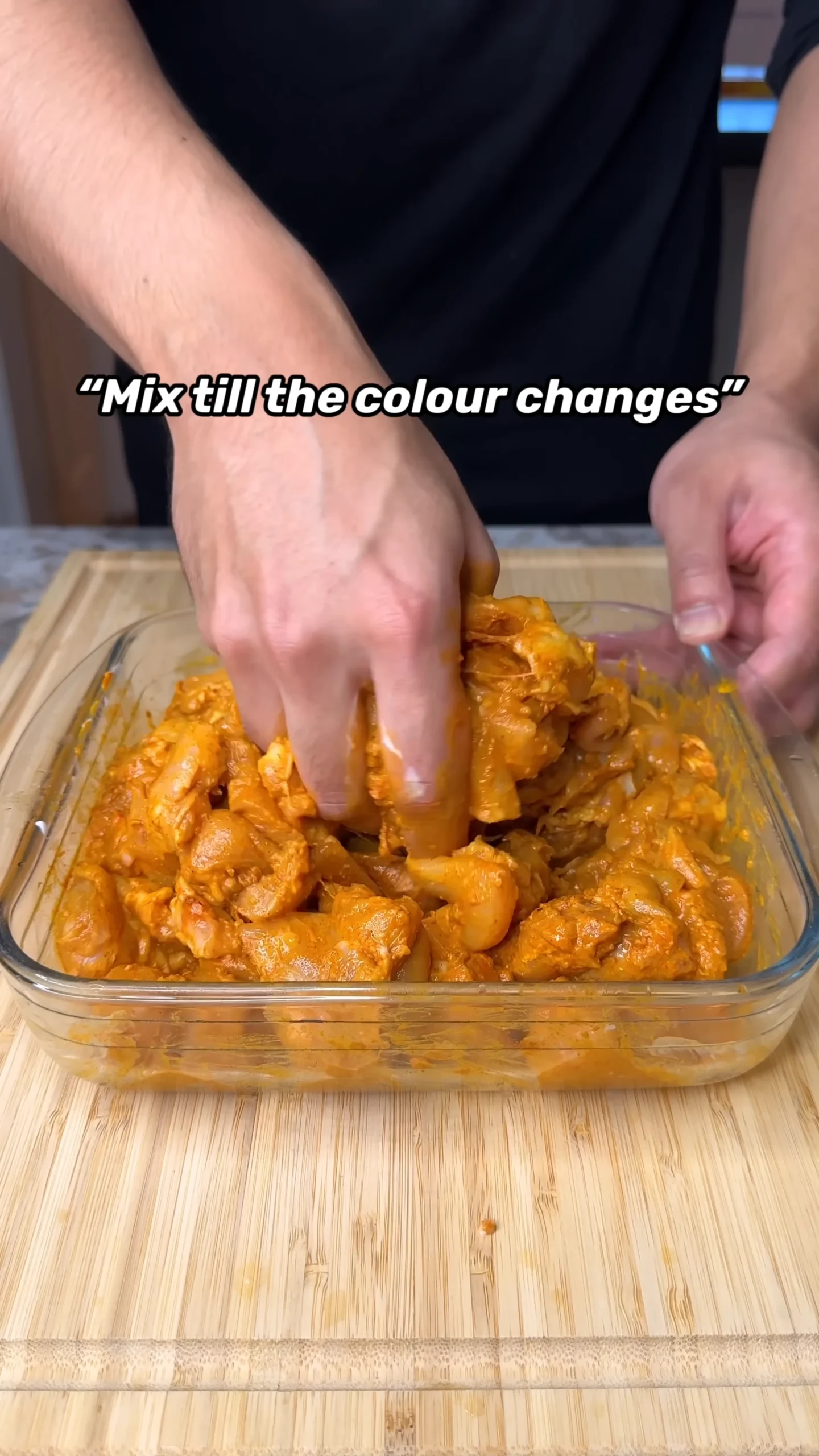
- Step 2: Coat the chicken — Add 800g cubed chicken thighs and mix thoroughly. Every piece should be fully coated, no dry spots.
- Step 3: Rest the chicken — Let it sit at least 30 minutes. Overnight gives deeper flavor and a more tender bite.
Crisp the Masala Potatoes
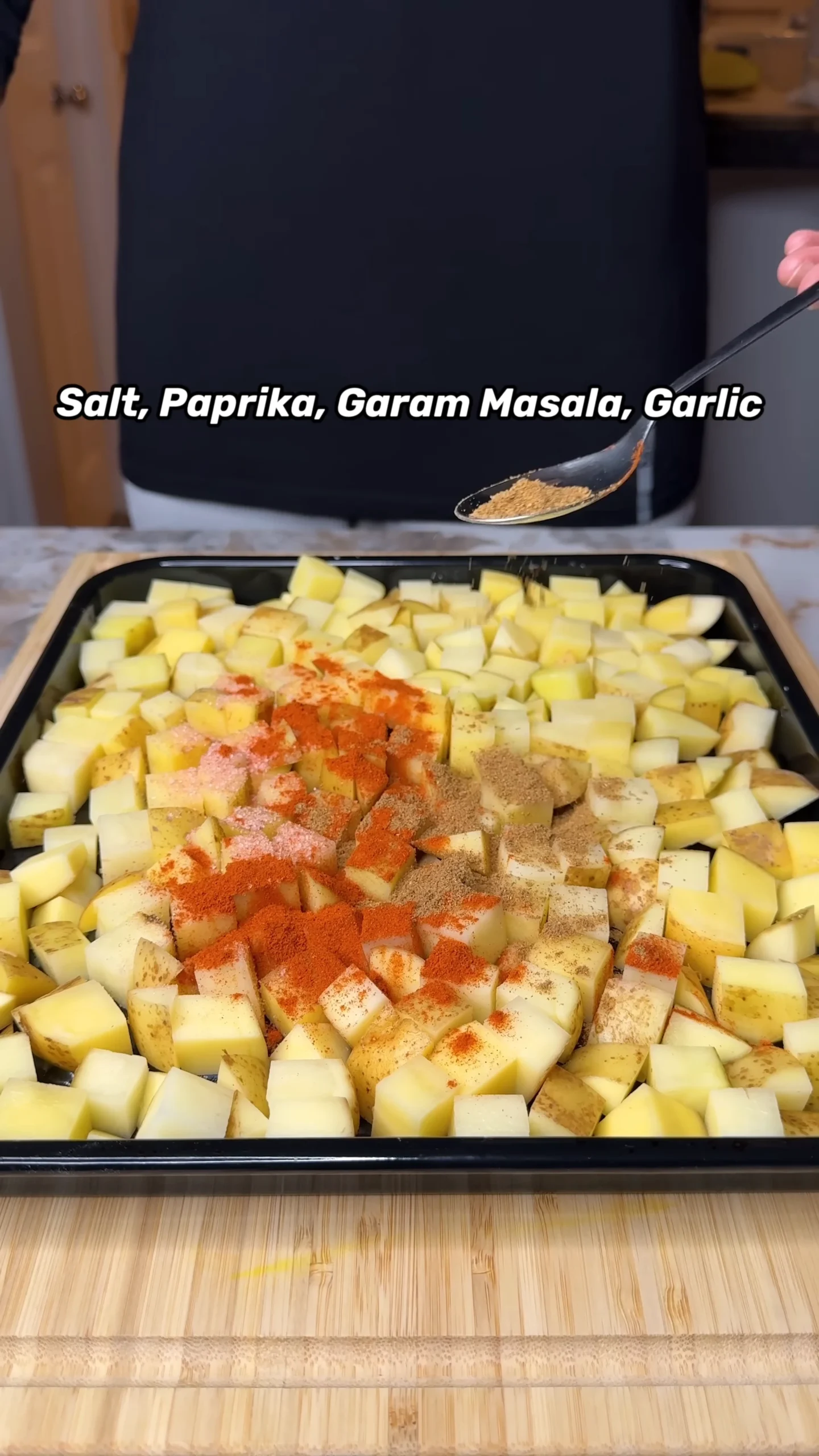
- Step 4: Season the potatoes — Toss 800g cubed potatoes with salt, paprika, garam masala, garlic powder, and optional olive oil. They should look lightly coated, not wet.
- Step 5: Cook at high heat — Air fry or bake at 200°C (400°F) for 25–30 minutes, shaking halfway. You’re looking for deep golden edges and a fluffy interior.
- Step 6: Don’t overcrowd — If the tray is packed, they’ll steam instead of crisp. Spread them out—even if it means using two trays.
For even better texture, rinse cut potatoes briefly and dry them thoroughly before seasoning. Removing excess surface starch helps them crisp instead of forming a sticky coating.
Another useful trick is parboiling for 5–6 minutes, then draining and letting the steam evaporate. This creates a rough surface that crisps up faster in the oven or air fryer.
If you want to compare textures or techniques, this breakdown of crispy roasted potatoes methods gives a good reference point for getting that crunch right.
Cook the Chicken
- Step 7: Choose your method — Air fry or bake at 200°C (400°F) for 18–20 minutes, or pan-fry on medium heat for 3–4 minutes per side.
- Step 8: Look for char — Edges should caramelize slightly. That color equals flavor.
- Step 9: Don’t overcook — Pull the chicken once it hits 74°C (165°F). Overcooking dries it out fast, especially if using breast.
If your pan starts releasing liquid, don’t panic—just let it cook off. Once moisture evaporates, the chicken will begin to sear properly.
Cooking in batches helps maintain heat. Overloading the pan drops the temperature and leads to steaming instead of browning, which directly affects flavor.
If you’re using chicken breast instead, this guide on air fryer chicken breast timing helps dial in moisture without guessing.
Bring It Together
- Step 10: Toss in sauce — Add cooked chicken into the butter sauce and coat well. Let it simmer gently for 2–3 minutes so it absorbs flavor.
- Step 11: Taste and adjust — Add salt, chilli, or a squeeze of lemon if needed. The sauce should taste balanced—rich but not heavy.
- Step 12: Plate — Serve next to crispy potatoes and finish with a drizzle of white sauce.
Making the Butter Chicken Sauce
Start with 40g butter in a pan over medium heat. Add sliced onions and cook for about 5 minutes until soft and lightly golden. You’re building sweetness here—don’t rush it.
Stir in garlic paste and cashews. Give it 60–90 seconds until fragrant. Then add tomatoes and spices, cover, and let it cook on low for 6–8 minutes until everything softens and the raw tomato edge disappears.
Let it cool slightly before blending. Hot blending is messy and can split the fats. Once smooth, return it to the pan, stir in yogurt and evaporated milk, and finish with a small knob of butter.
The texture should coat the back of a spoon—smooth, slightly thick, and glossy.
If the sauce feels too thick, loosen it with a splash of water or milk. If it’s too thin, simmer it uncovered for a few extra minutes. You’re aiming for something that clings to the chicken without pooling heavily on the plate.
A quick optional step is straining the blended sauce for an ultra-smooth finish. It’s not required, but it gives a more restaurant-style texture.
This style of sauce sits somewhere between classic butter chicken and something like a high-protein creamy chicken and potatoes dish, where richness is controlled but still satisfying.
You can make the sauce ahead and store it for 3–4 days. It actually tastes better the next day once everything settles.
Pro Tips for Better Texture and Flavor
Let the chicken come slightly closer to room temperature before cooking. Ice-cold chicken hits the pan and releases moisture too quickly, which can prevent proper browning.
Always cook the chicken and potatoes separately. Combining them too early ruins both textures—one gets soggy, the other loses its crust.
Use high heat strategically. You want aggressive heat for potatoes and initial chicken cooking, but gentle heat once the sauce is involved. That contrast keeps everything balanced.
Taste in layers. Season the marinade, then the sauce, then adjust at the end. Trying to fix everything at once usually leads to over-salting.
Resting matters. Let the chicken sit for a couple of minutes after cooking before adding it to the sauce. This helps retain juices instead of losing them immediately.
Finish with acidity. A small squeeze of lemon right before serving sharpens everything and prevents the dish from feeling too heavy.
Easy Variations
You can swap chicken thighs for breast if you prefer leaner protein, just reduce cooking time slightly. For a vegetarian version, use paneer or firm tofu—both hold up well in the sauce.
If you want extra vegetables, roasted cauliflower or peppers fit naturally into this dish without changing the core flavor. Add them alongside the potatoes or fold them into the sauce.
For a smokier finish, add a pinch of smoked paprika or briefly char the cooked chicken under a grill before adding it to the sauce.
If you like it richer, increase butter slightly or finish with a splash of cream. If you want it lighter, lean more on yogurt and reduce butter by a small amount.
You can also turn this into a bowl-style meal by adding a base of rice or flatbread, then layering chicken, sauce, and potatoes on top for a more substantial serving.
How to Serve It
Serve the butter chicken beside a pile of crispy masala potatoes so each bite stays balanced. You can also layer it over rice if you want something more filling, but the potatoes carry their own weight here.
Finish with a drizzle of the yogurt white sauce and, if you like, a sprinkle of fresh herbs. That cool, creamy contrast matters—it cuts through the richness.
This is a strong dinner plate meal. Pair it with something simple like a chilled yogurt drink or a light salad. After sitting, the potatoes soften slightly, so reheat them if you want that crunch back.
If serving for guests, keep the components separate and assemble just before eating. That way, everything keeps its ideal texture and temperature.
Storage and Reheating
Store chicken, sauce, and potatoes separately in airtight containers. They’ll keep well in the fridge for up to 4 days.
The butter chicken freezes well for up to 2 months. The sauce may thicken after thawing—just add a splash of water or milk when reheating. Potatoes don’t freeze well; they lose their crisp texture.
Reheat chicken and sauce gently on the stovetop or microwave. Add a little liquid to loosen it. For potatoes, use an oven or air fryer at 180°C (350°F) for 5–8 minutes to bring back that crisp exterior.
If you’re meal prepping, slightly undercook the potatoes the first time. When reheated, they’ll finish crisping instead of overcooking.
Troubleshooting Common Issues
If your sauce tastes too tangy, it likely needs more fat or a touch of sweetness. A small knob of butter or a pinch of sugar can balance it quickly.
If the chicken turns out dry, it’s almost always overcooked. Use a thermometer if needed and pull it right at 74°C (165°F).
If your sauce splits, the heat was too high when adding dairy. Lower the heat and stir continuously when incorporating yogurt or milk.
If potatoes won’t crisp, check moisture first. Pat them dry before seasoning and avoid overcrowding the tray.
If the sauce tastes flat, it usually just needs salt or acidity. Adjust gradually and taste after each change.
FAQ
Can I use chicken breast instead of thighs? Yes, but reduce cooking time slightly and watch closely. Chicken breast dries out faster, especially at high heat. Pull it as soon as it reaches 74°C (165°F) and let it rest before adding to the sauce to keep it juicy.
How do I make it spicier? Increase chilli powder in both the marinade and sauce, or add fresh green chilli while cooking the sauce. Taste as you go—heat builds over time, especially after simmering, so adjust gradually rather than all at once.
Can I skip the cashews? You can, but the sauce will lose some thickness and that smooth texture. Replace with a bit more yogurt or a small splash of cream. The result will still taste good, just slightly lighter and less rounded.
Why are my potatoes not crispy? Most likely overcrowding or too much moisture. Spread them out and avoid over-oiling. High heat is key—200°C (400°F). If they look pale after 20 minutes, keep going until edges turn deep golden and slightly blistered.
Related Recipes
- Creamy Gochujang Pasta Sauce Recipe
- Alfredo Sauce Recipe
- White Sauce Penna Pasta
- Creamy Pesto Tortellini
High Protein Butter Chicken & Crispy Masala Potatoes Recipe
- Prep Time: 10
- Cook Time: 30
- Total Time: 40
- Yield: 4 servings 1x
- Category: Main Course
- Method: Baking, Stovetop
- Cuisine: Indian
- Diet: Gluten Free, Low Fat
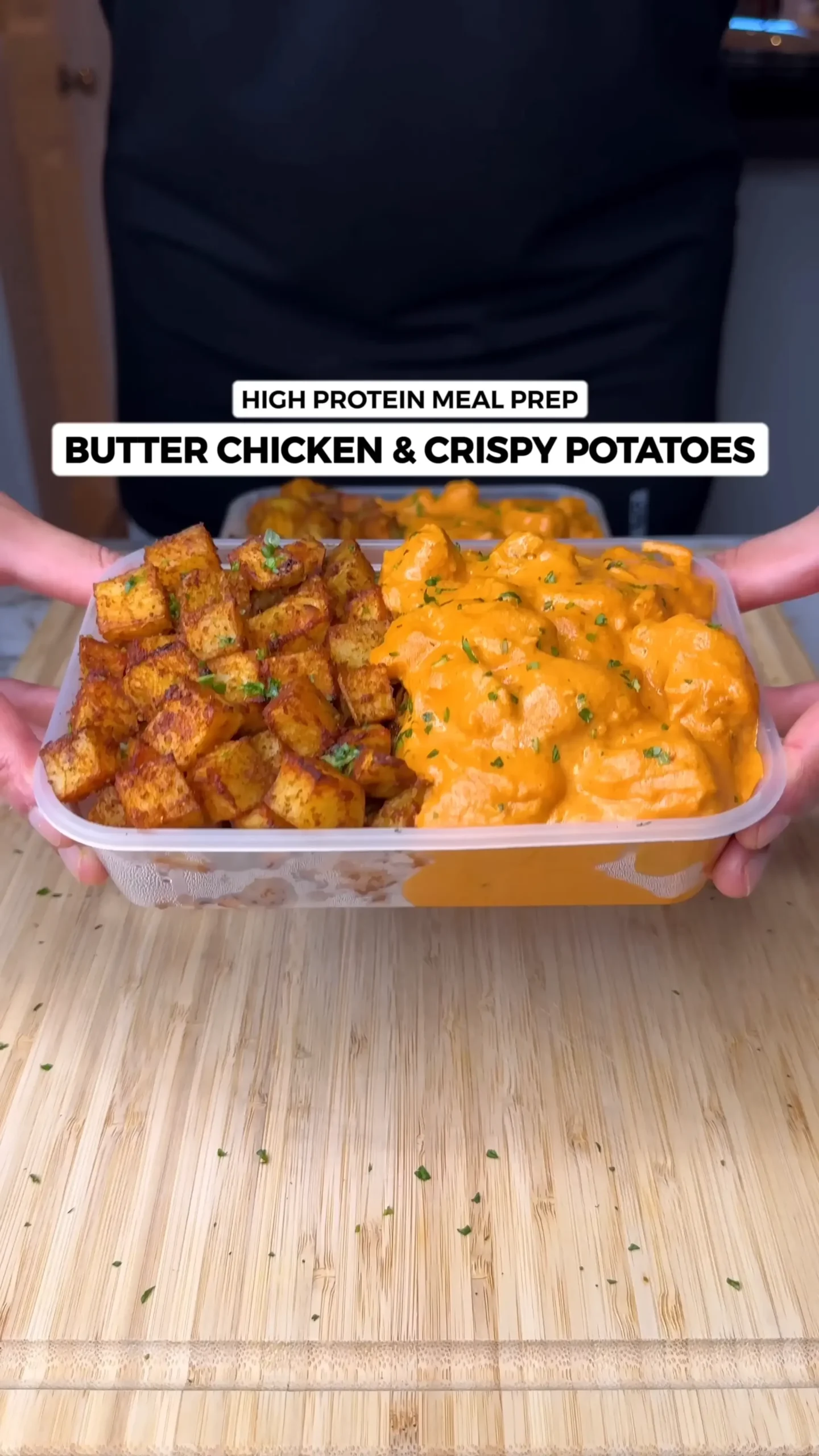
Description
This high protein butter chicken paired with crispy masala potatoes delivers rich, comforting flavor with a balanced, lighter approach. Juicy marinated chicken is coated in a smooth, spiced tomato butter sauce, while the potatoes stay golden and crisp on the outside. It is a satisfying meal that fits easily into a busy routine without sacrificing taste. If you enjoy bold, saucy dishes, you might also like this Creamy Gochujang Pasta Sauce Recipe.
Ingredients
- 800 g boneless skinless chicken thighs (cubed, or substitute chicken breast)
- 1 tbsp garlic paste (fresh or store-bought)
- 1.5 tsp salt (for marinade)
- 1.5 tsp garam masala
- 1.5 tsp paprika
- 1/2 tsp turmeric
- 1 tsp chilli powder (adjust to taste)
- 90 g low fat yogurt (plain, unsweetened)
- Juice of 1 whole lemon (freshly squeezed)
- 800 g white potatoes (peeled and cut into small cubes)
- 1 tsp salt (for potatoes)
- 1 tsp paprika (for potatoes)
- 1 tsp garam masala (for potatoes)
- 1 tsp garlic powder
- 2 tsp olive oil (optional, for crisping)
- 40 g light butter (plus extra optional for finishing)
- 150 g white onion (thinly sliced)
- 1/2 tsp salt (for sauce)
- 1/2 tsp garam masala (for sauce)
- 1/2 tsp paprika (for sauce)
- 1/2 tsp turmeric (for sauce)
- 1 tsp garlic paste (for sauce)
- 60 g raw cashew nuts (unsalted)
- 600 g canned tomatoes (or fresh chopped tomatoes)
- 100 g low fat yogurt (for sauce)
- 60 ml light evaporated milk
- 50 g low fat yogurt (for white sauce)
- 25 ml milk (to thin white sauce)
Instructions
- Marinate Chicken (40°F fridge, 30 minutes): In a bowl, mix chicken, garlic paste, salt, spices, yogurt, and lemon juice. Cover and refrigerate for at least 30 minutes or overnight; chicken should look fully coated and slightly thickened.
- Preheat Cooking Equipment (400°F / 200°C, 5 minutes): Preheat oven or air fryer to 400°F. Line a tray or basket; it should feel hot before adding food.
- Prepare Potatoes (Room temp, 5 minutes): Toss cubed potatoes with salt, paprika, garam masala, garlic powder, and olive oil. Ensure each piece is evenly coated and slightly glossy.
- Cook Potatoes (400°F / 200°C, 25 minutes): Roast or air fry potatoes, shaking halfway at 12 minutes. They are done when edges are golden brown and crisp while centers feel soft when pierced.
- Cook Chicken (400°F / 200°C, 18–20 minutes): Spread marinated chicken evenly and cook until lightly charred at edges and internal temperature reaches 165°F; juices should run clear.
- Sauté Aromatics (Medium heat ~350°F, 5 minutes): Melt butter in a pan, add onions, and cook until soft and translucent with slight golden edges.
- Build Sauce Base (Medium heat ~350°F, 6–8 minutes): Add garlic paste, cashews, spices, and tomatoes. Cover and simmer until tomatoes soften and mixture thickens slightly.
- Blend Sauce (Cool 10 minutes, then blend 1–2 minutes): Allow mixture to cool slightly, then blend until completely smooth; texture should be silky with no visible chunks.
- Finish Sauce (Low heat ~300°F, 5 minutes): Return sauce to pan, stir in yogurt and evaporated milk, and cook gently until creamy and slightly thickened without curdling.
- Combine and Serve (Low heat ~300°F, 3–5 minutes): Add cooked chicken to sauce and simmer briefly until coated and heated through. Serve with crispy potatoes and drizzle with white sauce made by mixing yogurt and milk.
Notes
- Chicken breast can be used instead of thighs for a leaner option; reduce cooking time slightly to prevent drying.
- Marinate chicken up to 24 hours in advance for deeper flavor and tenderness.
- Store components separately in airtight containers for up to 4 days in the refrigerator.
- Reheat chicken and sauce gently on the stovetop over low heat for 6–8 minutes; reheat potatoes in an oven or air fryer at 375°F for 8–10 minutes to restore crispness.
- Cashews can be replaced with soaked almonds for a slightly different but still creamy texture.
- Serve with fresh herbs, extra yogurt drizzle, or a squeeze of lemon for brightness.
Nutrition
- Array