
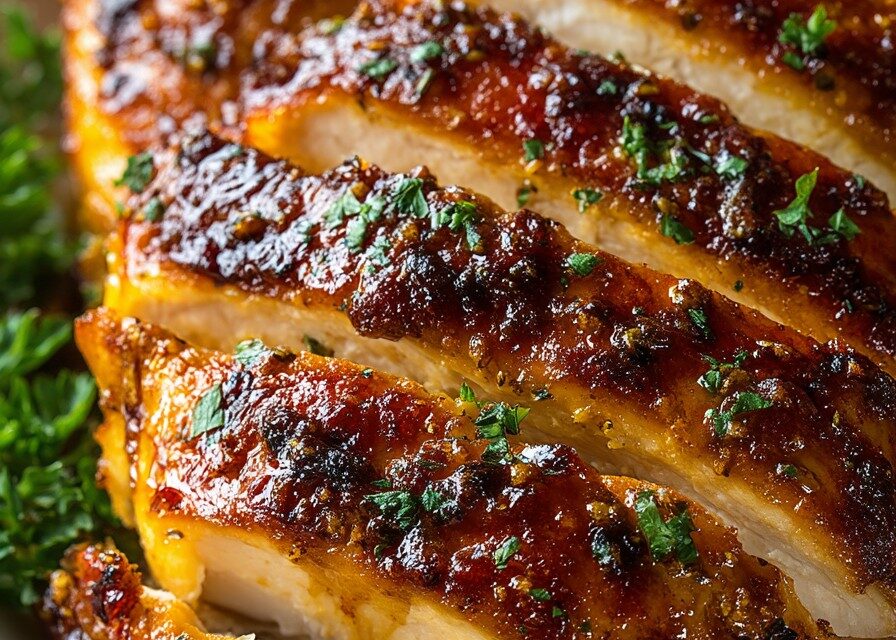
What Makes a Great Marinade Tick
The secret isn’t hours of soaking — it’s balance. Aim for roughly 3 parts oil to 1 part acid. Too much acid toughens the surface; too little and flavor stays outside. Olive oil keeps the meat supple while soy sauce seasons more deeply than salt alone. Lemon juice tenderizes gently, and honey helps caramelize for rich, golden edges. Garlic sets the aromatic base before cooking even begins. Once you taste how evenly this seasons, you’ll see why I rarely skip it.
Think of this as a flexible formula. Master the ratio and you can adjust flavors: Mediterranean with oregano and lemon, Asian-inspired with sesame and ginger, or Latin with lime and cumin. The foundation remains reliable while the accents shift with your mood. A touch of acid cuts through the fattiness of dark meat, while herbs brighten up white meat that might otherwise taste flat. When balanced well, the marinade serves as both seasoning and tenderizer, ensuring that every bite tastes cohesive rather than coated.
Why You’ll Love This Chicken Marinade Recipe
- The lemon-soy base tenderizes while deeply seasoning the meat.
- Versatile: ideal for grilling, baking, or quick pan-searing.
- Keeps chicken moist enough for salads or sandwiches the next day.
- Made entirely from simple pantry staples.
- Perfect for meal prep — one batch marinates up to 2 pounds of chicken.
- Works with any cooking method without losing flavor balance.
- Salty, tangy, slightly sweet — pleasing for almost any palate.
- Minimal prep and easy cleanup with single-bowl whisking.
- Customizable through herbs, heat level, or sweetener choice.

What You’ll Need
Chicken
Boneless, skinless breasts are lean and quick. When sliced evenly, they stay juicy after marinating. Thighs add richness and are more forgiving on timing. Use a mix for contrast: lighter white meat beside flavorful dark meat. For bone-in thighs or drumsticks, extend marinating by 1–2 hours for full flavor.
For grilled kabobs, cube chicken into 1½-inch chunks so the interior cooks through without drying. If you prefer roasted pieces, score the surface lightly to let flavors absorb deeper. Pounded or butterflied breasts will marinate quickly and cook evenly.
Aromatics
Garlic — three grated cloves — defines the flavor. Fresh is essential. Add a bit of shallot or onion for roundness if convenient. In a rush, ½ teaspoon garlic powder works. For brighter depth, try a touch of ginger or a slice of scallion — they give lift and make the mix multidimensional.
A small hit of citrus zest adds aroma beyond acidity. Lemon or lime zest perfumes the oil, infusing subtle brightness. Avoid bitter pith; a gentle scrape of rind is enough. If you happen to have rosemary or bay leaf, toss them in — even during a short marinate, they lend nuanced scent that complements grilled smoke beautifully.
Spices
Smoked paprika adds warmth and color. Salt and black pepper form the base. A small pinch of red pepper flakes wakes everything up. For variation, experiment with cumin or turmeric for earthy or golden tones. Small tweaks create new flavor paths while keeping the balance that defines this chicken marinade recipe.
If you love a slightly Middle Eastern touch, add ground coriander or sumac for citrusy brightness. For something bolder, go Cajun-style with smoked paprika, cayenne, and a dot of mustard. Every shift changes tone but the same core formula keeps the chicken juicy and seasoned inside and out.
Marinade Base
Olive oil deepens flavor and prevents dryness. Soy sauce adds umami that plain salt can’t. Lemon juice or white wine vinegar brightens, while honey (or brown sugar) brings caramel tones during cooking. Even a teaspoon helps build those browned edges.
No soy? Use tamari or small amounts of fish sauce. For lower sodium, try coconut aminos. What matters most is enough liquid to carry flavor and the right salt balance to season the fibers gently. For an extra layer, swap olive oil for half sesame oil when leaning Asian-inspired — it turns the marinade nutty and aromatic.
Optional Add-ins
Fresh parsley or thyme boost fragrance. A spoon of Dijon mustard emulsifies so the marinade clings better. Worcestershire sauce gives subtle savoriness, great for grilling. For a rustic twist, a little rosemary or oregano changes the tone completely. A drizzle of hot sauce adds personality without heat. Stirring in a teaspoon of Greek yogurt softens sharp acidity and leaves a creamy finish.
Another flavor-building move is adding a smashed clove of garlic or strip of citrus peel and letting it sit in the marinade jar overnight before use. The oil absorbs their flavor slowly, creating a rounded base that coats evenly when poured over the chicken.
How to Make Chicken Marinade Recipe

Phase One: Build the Marinade
- Step 1: Whisk Ingredients. In a bowl, combine ¼ cup olive oil, 3 tablespoons soy sauce, juice of 1 lemon, 1 tablespoon honey, 3 grated garlic cloves, 1 teaspoon paprika, ½ teaspoon salt, and black pepper. Whisk until slightly thick — the oil and acid should blend smoothly.
- Step 2: Taste and Adjust. Dip a spoon to test. Too salty? Add lemon. Too tart? Add a dash more honey. Adjust now; once the chicken’s added, you can’t safely “fix” later.
Never reuse raw marinade unless boiled for a few minutes. Taste once before adding meat — it trains your palate to recognize the right balance each time you cook. If making a double batch, reserve a few tablespoons in a clean container before mixing with chicken for later brushing or serving.
Phase Two: Marinate
- Step 3: Coat Chicken. Place 1½–2 pounds of chicken in a resealable bag or shallow dish. Pour the marinade over, press out air, and seal. Massage gently until all pieces are covered — the mixture should cling.
- Step 4: Chill. Refrigerate at least 30 minutes; 4–6 hours gives deeper flavor. Don’t exceed 24 hours — acid keeps acting after flavor peaks and can soften texture.
If prepping early, mix the marinade in the morning for an easy cook at dinnertime. Even 25 minutes of soak time improves plain chicken noticeably. When stacking pieces, ensure coverage; flip halfway through for even exposure. A little patience with this step yields noticeably more flavor in every bite.
Phase Three: Cook
- Step 5: Bring to Room Temp. Let chicken stand 15 minutes before cooking. Cold meat tightens on contact with heat.
- Step 6: Cook Your Way. Grill over medium-high for 5–7 minutes per side, or bake at 400°F for 18–22 minutes, until internal temperature reads 165°F. A sturdy skillet works great too — heat until edges are golden and center springy. Avoid constant turning; color equals flavor.
- Step 7: Rest and Slice. Move chicken to a board, tent loosely with foil, rest 5 minutes, then slice. That brief rest keeps juices inside where they belong.
If using a thermometer, insert sideways into the thickest part for the most accurate reading. For grill finish, brush a bit of the boiled marinade over the last minute of cooking for shine and a final boost of flavor. You can also top with a few drops of lemon juice right off the heat to reawaken acidity and aroma.
Troubleshooting Tips
- Too sour? Next time, add a drizzle more olive oil or a hint of honey. Lemons vary by acidity.
- Too salty? Add extra oil or a teaspoon of water during whisking to balance perception.
- Chicken sticking? Wait another minute before flipping; once caramelized, it releases naturally.
- Uneven browning? Pat chicken dry before cooking — moisture causes steaming.
- Want smoke flavor? A pinch of smoked salt or drop of liquid smoke mimics the grill indoors.
- Chicken pale after baking? Finish under the broiler for a minute or two for color and crisp edges.
- Overcooked texture? Slice thinner next time or reduce baking time slightly. Marinade keeps meat juicy but heat control still matters.

Making the Marinade Ahead
This marinade stores three days in the fridge. Keep it in a sealed jar and shake before use. Freeze extra in ice-cube trays — one cube equals enough for a single breast. It thaws into readiness while your chicken defrosts. Label cubes for flavor variations so you can grab exactly the type you want later.
For meal prep, combine raw chicken and marinade before freezing. It seasons expertly as it thaws. Pair it with this Greek Orzo Bake for a harmonized dinner plan. You can also batch cook multiple marinated portions and store grilled slices in freezer-safe containers for quick wraps or salads during the week.
How to Serve It
Serve sliced chicken over rice, couscous, or mashed potatoes with a drizzle of pan juices. A squeeze of lemon and sprinkle of parsley brighten the dish beautifully.
For light meals, layer slices over salad greens with olives and tomatoes — the residual dressing doubles as vinaigrette. For comfort food, tuck pieces into pita bread with crisp lettuce and sauce. The balanced seasoning integrates easily with other flavors. For a richer pairing, serve alongside roasted vegetables or creamy pasta where the caramelized edges act as contrast to soft textures.
This chicken also shines cold — a perfect protein for lunches or a grilled chicken Caesar salad. A night in the fridge enriches flavor slightly. For party platters, cut into strips and serve alongside yogurt-garlic dip or hummus. Another fun pairing is finely slicing it as a topping for homemade flatbreads or pizzas; its savory-sweet coating enhances every bite without overwhelming other toppings.
Storage and Reheating
Fridge: Store cooked chicken up to 4 days in an airtight container. To avoid sogginess, add a paper towel layer if reopening multiple times.
Freezer: Freeze up to 3 months. Thaw overnight; proper sealing preserves texture. Label by date for best results.
Reheating: Warm gently in a covered skillet with a spoon of water or broth to keep moisture. Avoid microwaving uncovered. Always discard raw marinade unless it has been boiled for 3 minutes. For quick revival, drizzle olive oil and lemon before serving to refresh aroma and juiciness.
Try serving leftovers alongside honey-garlic chicken for a flavorful combination dinner. You can also mix shredded marinated chicken into soups, fried rice, or quesadillas — the flavor persists even after reheating, making it a reliable base for quick meals.
FAQ
Can I use this marinade on other proteins?
Yes, it works for pork, shrimp, or tofu. For delicate items, limit marinating to 15–30 minutes.
How long should chicken marinate?
At least 30 minutes; 4–12 hours is ideal. Do not exceed 24 hours or texture may soften excessively.
Is it safe to reuse marinade?
Only if boiled for several minutes to destroy bacteria from raw chicken; otherwise discard.
Can I bake straight from the marinade?
Yes. Bake at 400°F until the thickest part reaches 165°F. Pour reserved boiled marinade over for extra sheen before serving.
Can I scale this recipe up?
Absolutely. Double or triple it to marinate larger batches for gatherings. Keep the 3:1 oil-to-acid ratio consistent for the best texture every time.
Related Recipes
- Lemon Garlic Pasta
- Marinara Sauce Recipe
- Creamy Lemon Ricotta Pasta Recipe
- Alfredo Sauce Recipe
- Creamy Pesto Tortellini
Chicken Marinade Recipe
- Prep Time: 10
- Cook Time: 30
- Total Time: 40
- Yield: 6 servings 1x
- Category: Main Course
- Method: Marinating, Grilling
- Cuisine: American
- Diet: Low Fat, Low Salt
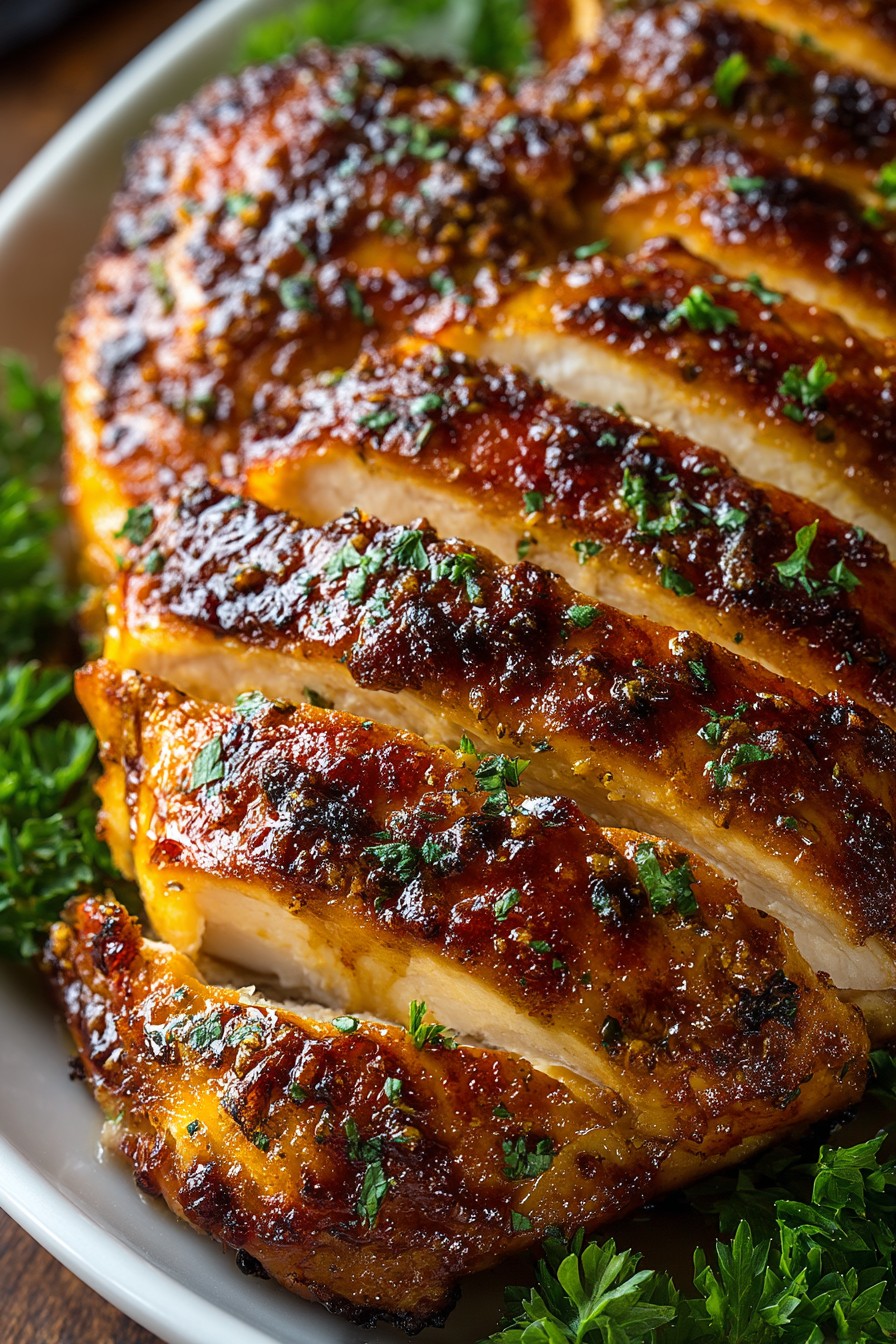
Description
This Chicken Marinade Recipe creates juicy, flavorful chicken with minimal effort. The balanced mixture of olive oil, lemon juice, soy sauce, honey, and garlic tenderizes while adding brightness and depth. It works equally well for grilling, baking, or stovetop cooking and can be customized with your favorite herbs or spices. Try pairing your marinated chicken with a classic pasta dish such as this Marinara Sauce Recipe for a complete meal.
Ingredients
- 2 lb (900 g) boneless, skinless chicken breasts or thighs (trimmed of excess fat)
- 1/3 cup olive oil (extra virgin for best flavor)
- 3 tbsp soy sauce (low-sodium preferred)
- 3 tbsp lemon juice (freshly squeezed)
- 2 tbsp honey (or maple syrup for a milder sweetness)
- 3 cloves garlic (minced)
- 1 tsp Dijon mustard (for balance and mild tang)
- 1/2 tsp black pepper (freshly ground)
- 1/2 tsp salt (adjust to taste)
- 1 tsp dried oregano (or fresh herbs like thyme or rosemary)
Instructions
- Prepare the marinade: In a medium bowl, whisk together olive oil, soy sauce, lemon juice, honey, garlic, mustard, salt, pepper, and oregano until emulsified and well blended.
- Trim the chicken: Pat chicken dry with paper towels and remove any visible sinew or excess fat to ensure even marination.
- Combine in a bag: Place chicken and marinade in a large resealable bag or shallow container. Seal tightly and massage to coat all pieces evenly.
- Marinate: Refrigerate for 30 minutes to 4 hours, turning once midway through. For best flavor, do not exceed 8 hours.
- Preheat oven or grill: For baking, preheat oven to 400°F (200°C). For grilling, preheat to medium-high (about 400°F) and oil the grates lightly.
- Cook the chicken: Bake for 25–30 minutes or grill 6–7 minutes per side, until the internal temperature reaches 165°F (74°C) and juices run clear.
- Check doneness: Use a meat thermometer to verify temperature; edges should be golden-brown and center just opaque.
- Rest: Transfer chicken to a clean plate, cover loosely with foil, and let rest for 5 minutes to redistribute juices.
- Slice and serve: Slice against the grain for tenderness. Serve warm or use in salads, wraps, or rice bowls.
- Optional garnish: Drizzle with a spoon of reserved cooked-down marinade or sprinkle with fresh herbs for brightness.
Notes
- Substitutions: Replace lemon juice with lime juice, or soy sauce with tamari for a gluten-free version.
- Make-ahead: Mix marinade up to 3 days in advance and store covered in the refrigerator.
- Storage: Cooked chicken keeps for up to 4 days in an airtight container in the fridge.
- Reheating: Warm gently in a skillet over medium heat for 3–4 minutes per side or in the oven at 350°F (175°C) for 10 minutes.
- Serving suggestions: Pair with roasted vegetables, over rice, or alongside pasta like this Marinara Sauce Recipe.
- Freezing tip: Raw marinated chicken can be frozen up to 2 months. Thaw in the refrigerator overnight before cooking.
Nutrition
- Array